On Art Galleries
A narrative across producing communication for art galleries, featuring: Secci, Clima, Galleria Massimo Minini, Francesca Minini, Renata Fabbri, Notte, The Ryder Projects.
Meaning precedes art
2.1.1A gallery shapes what can be seen and who takes risks long before anyone walks in. Curators express themselves through their choices, institutions repeat inherited decisions, and markets reinforce expectations. This structure exists before the work arrives. Meaning precedes art. Working with Secci, Clima, Galleria Massimo Minini, Francesca Minini, Renata Fabbri, Notte, and The Ryder means entering that structure each time and building a new version from the inside. Identity, typography, and digital architecture are structural conditions that shape how the gallery operates, how it communicates, and how it evolves over time.
Archive, Time, and Digital Structure
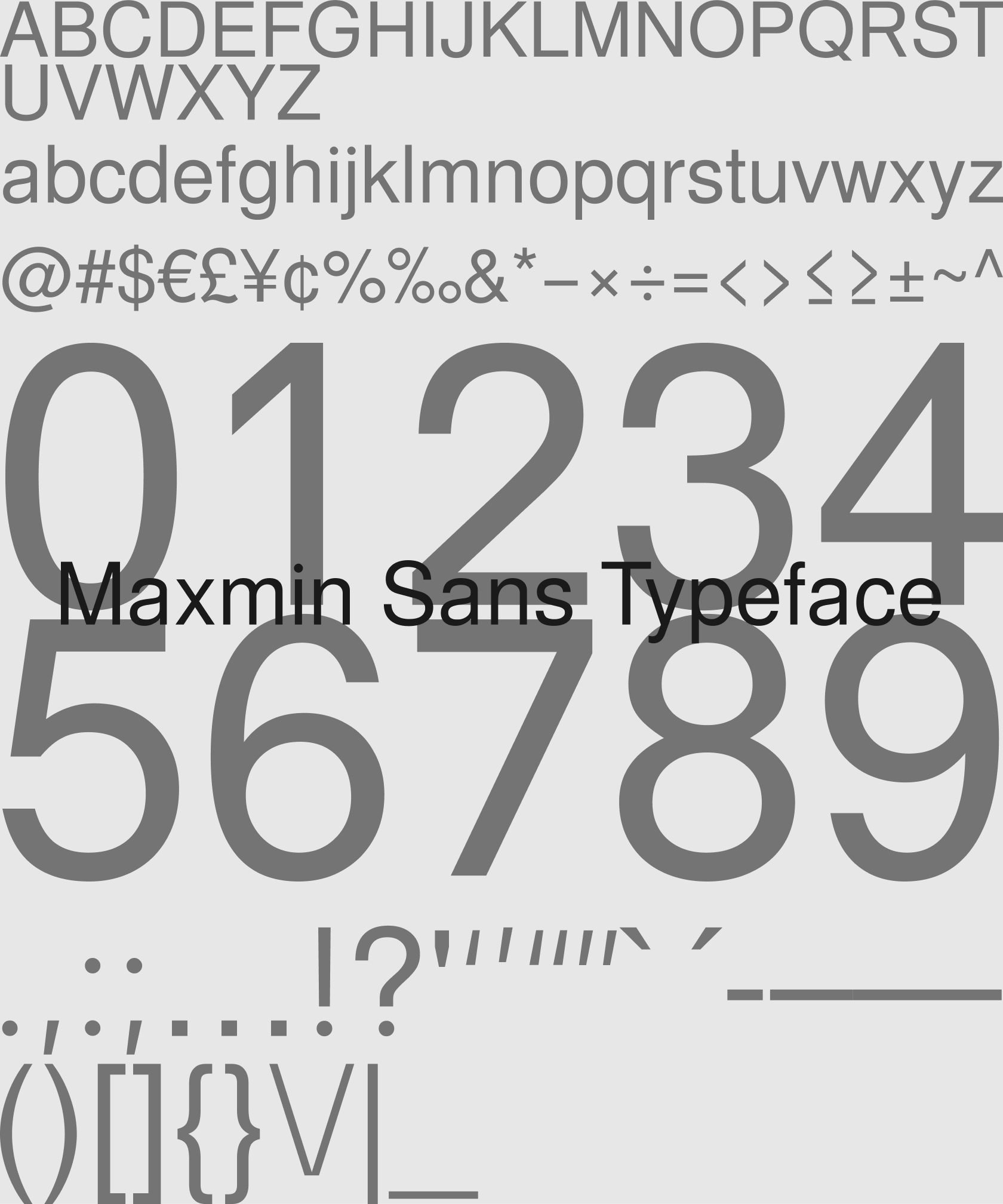
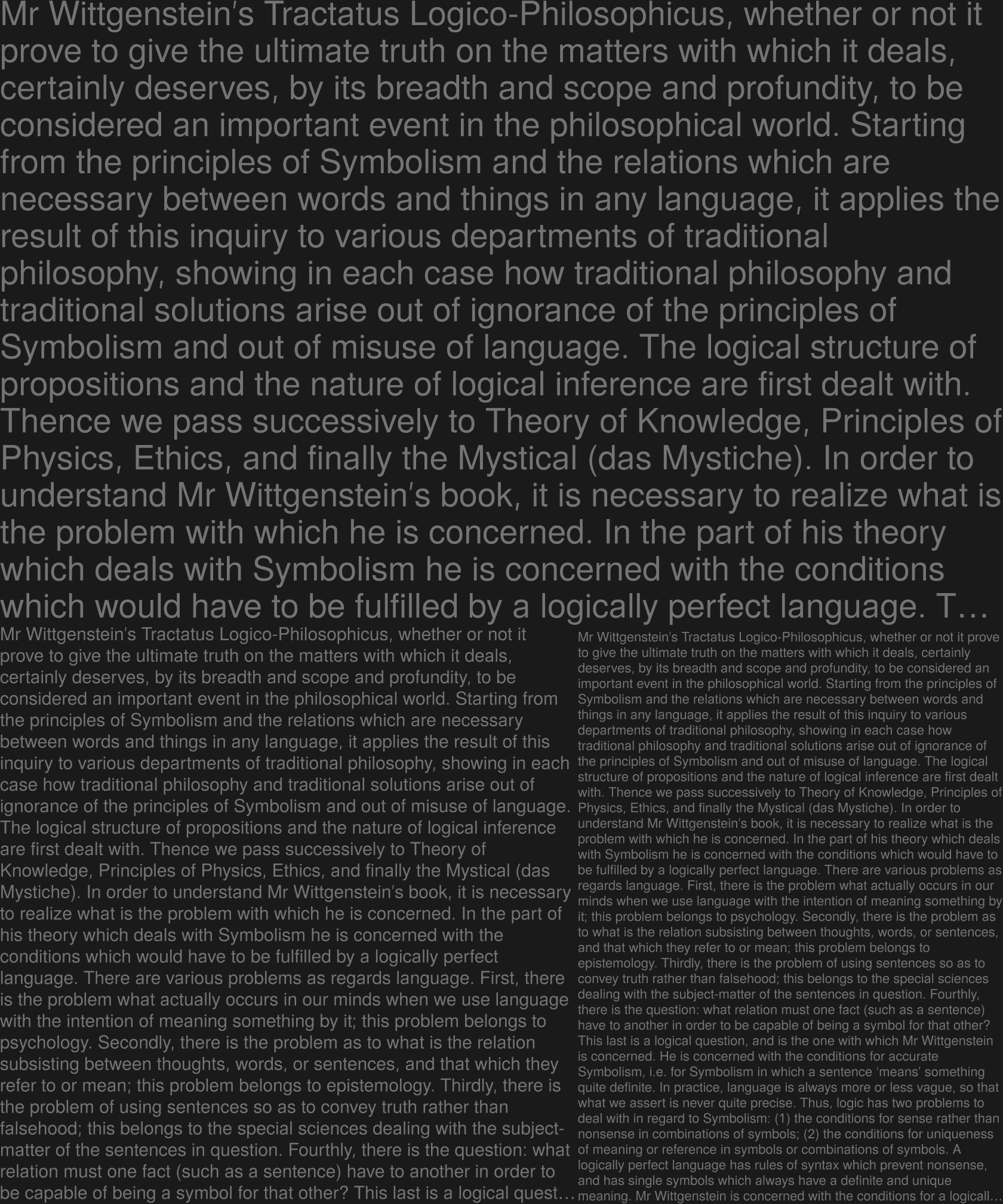
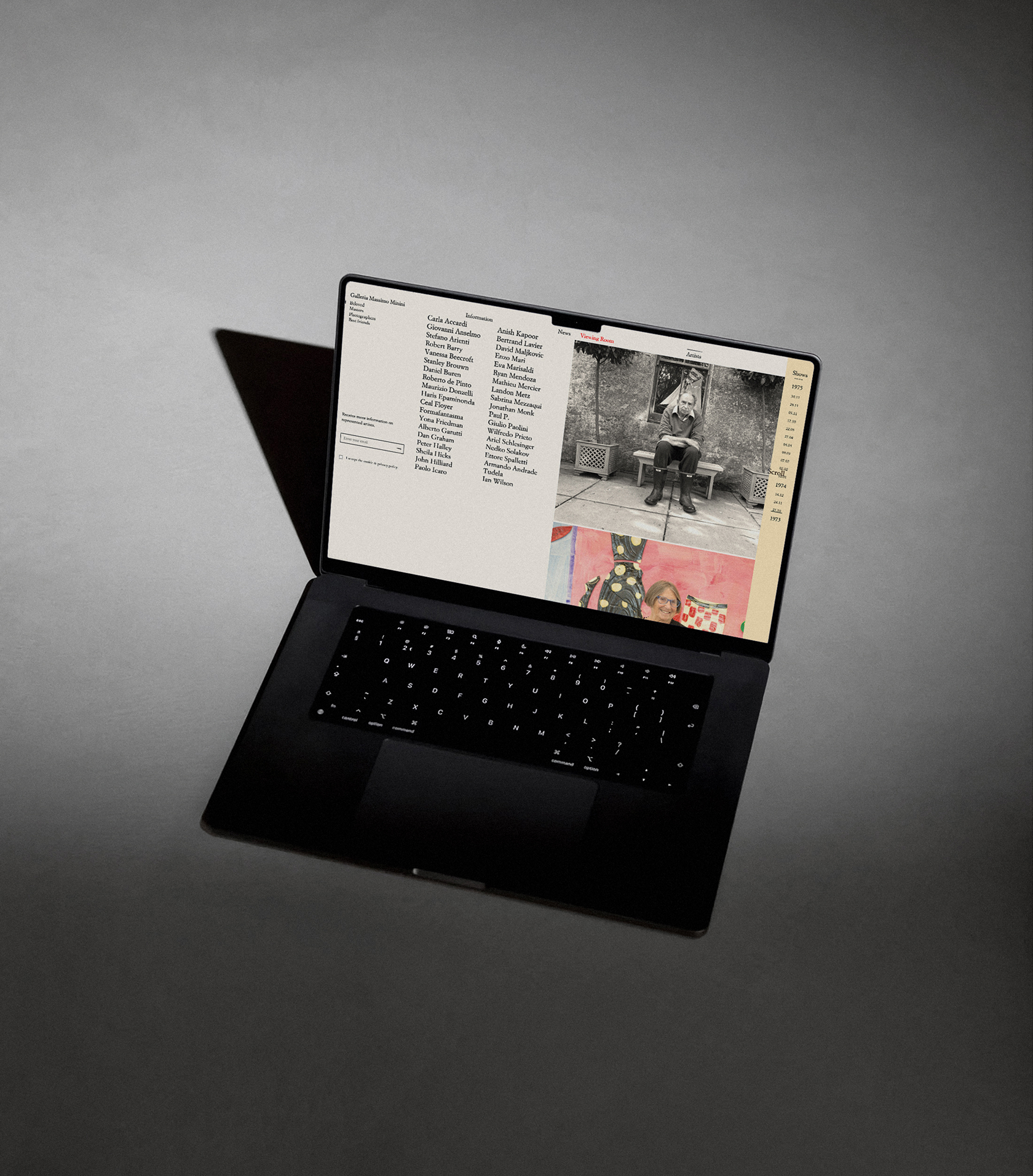
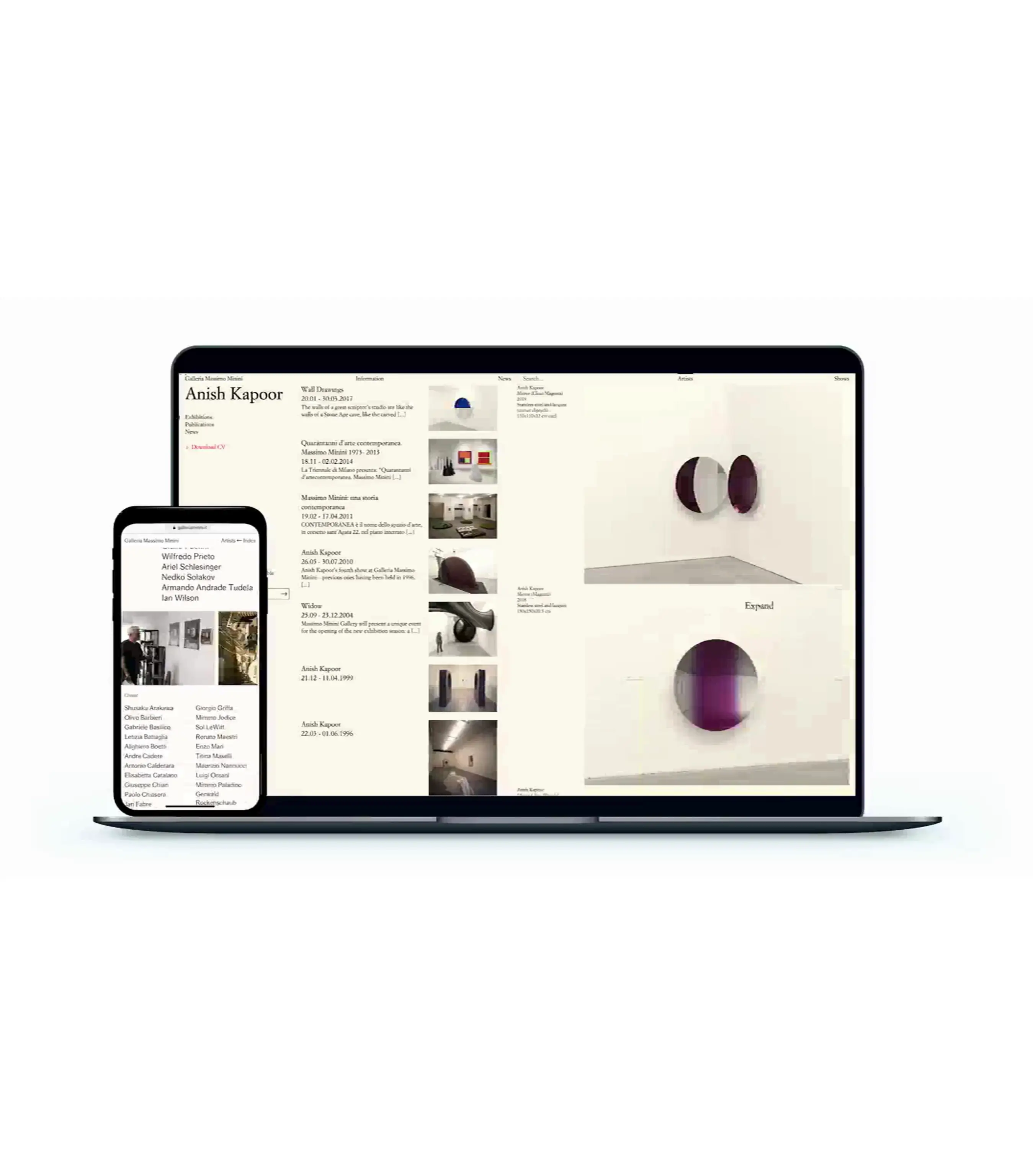
2.1.2Time accumulates inside galleries, and that accumulation produces authority. For Galleria Massimo Minini, nearly fifty years of exhibitions required a digital environment capable of holding that history without freezing it into a static archive. The variable font developed for this project morphs through scroll, from the contemporary toward the classical. The archive runs continuously and the identity operates as a temporal layer, holding the line while allowing change and maintaining legibility as things evolve.
Authority Through Reduction
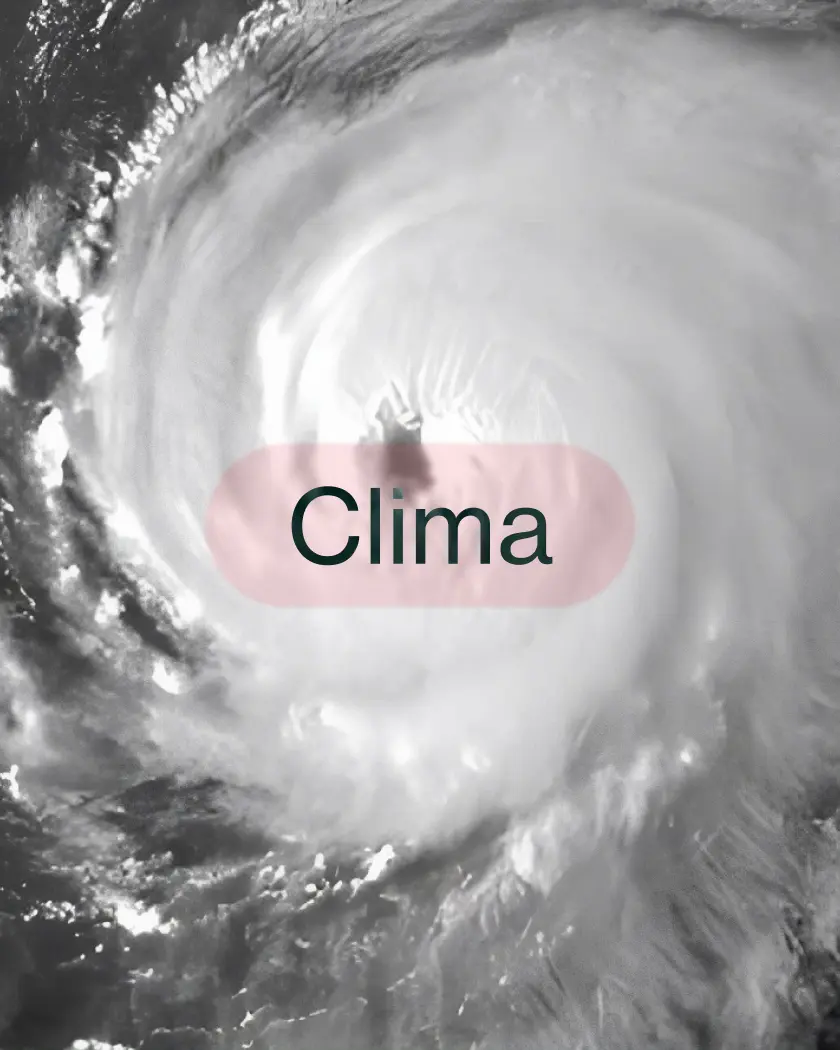
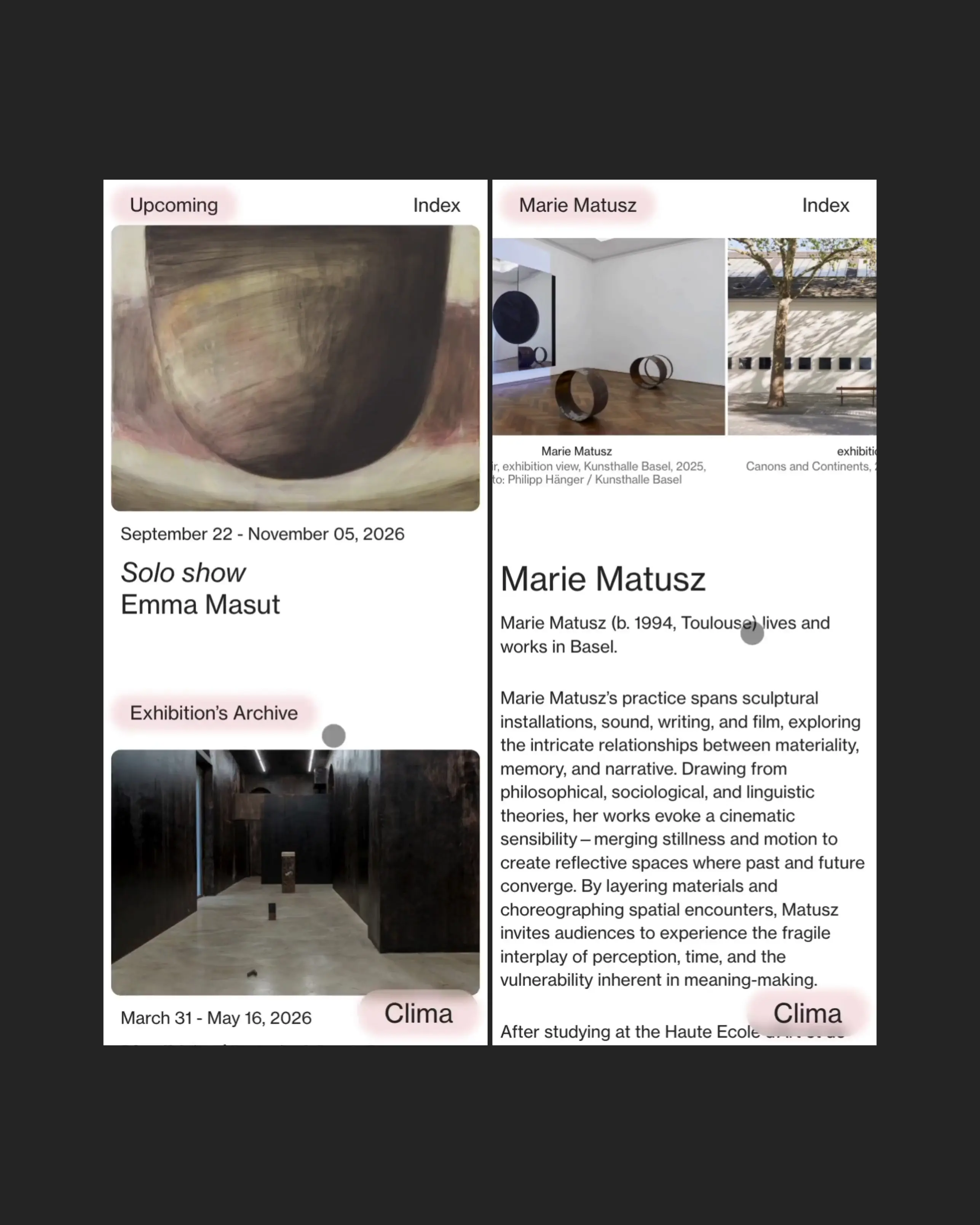
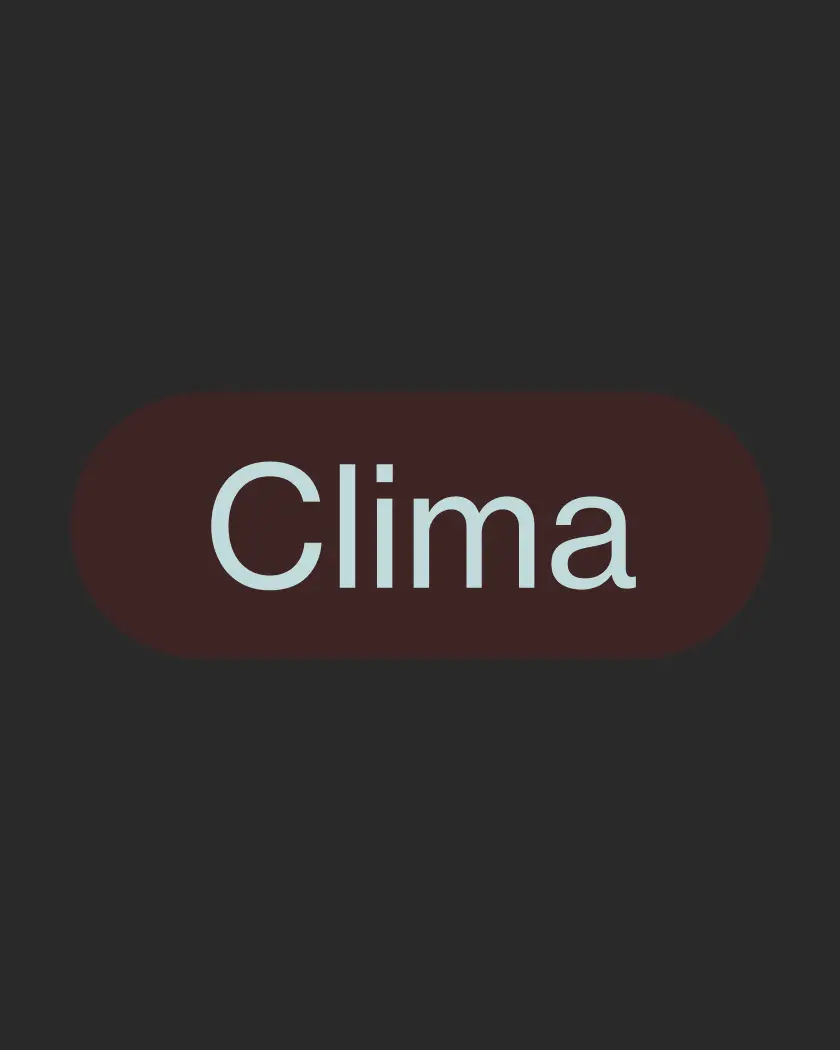
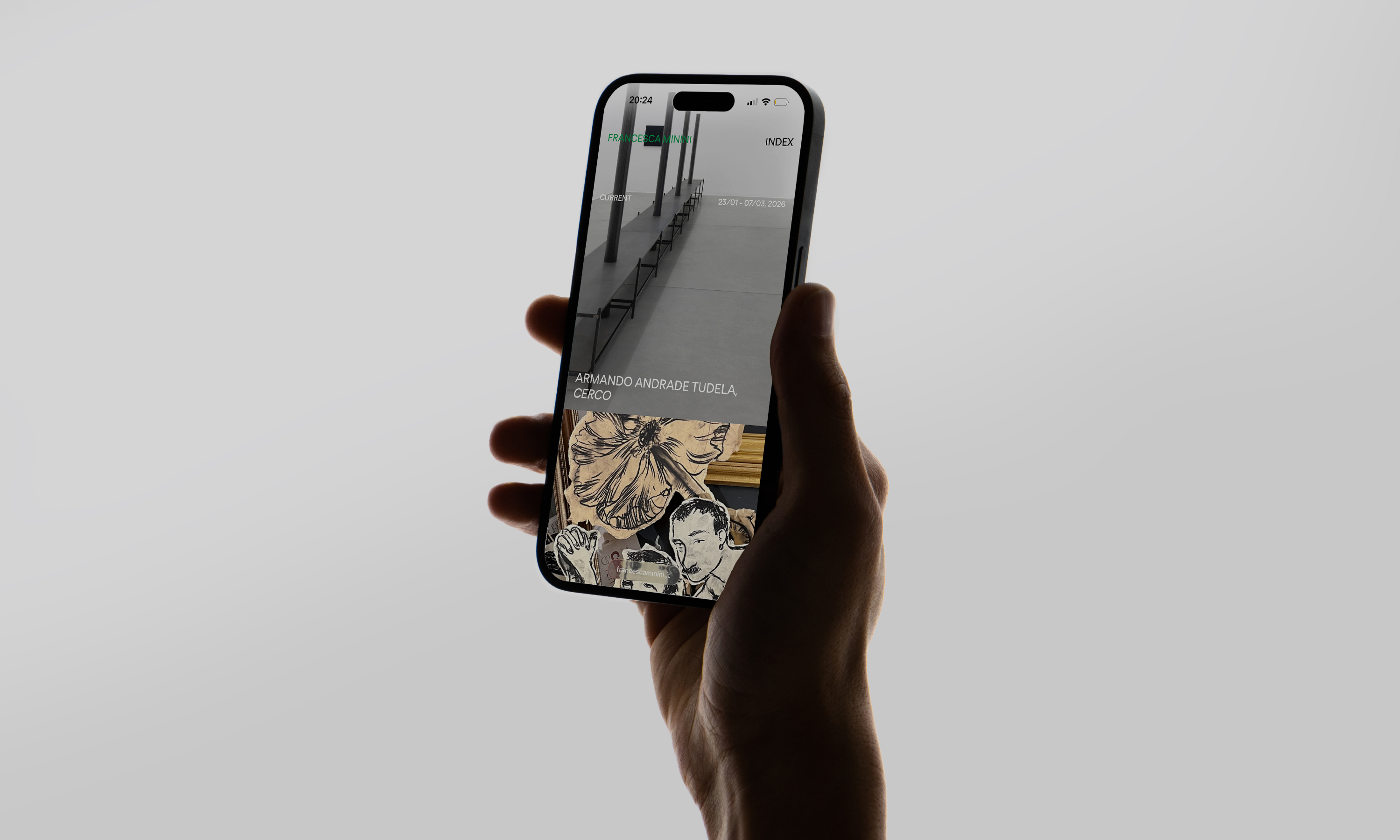
2.1.3For Clima, the interface recedes: evenly spaced typography, buttons blurred at the edges and a visual system calibrated to remove friction between viewer and work. Reduction is governance. For Francesca Minini, the same principle took a different form: an identity consistent enough to be recognized, restrained enough to disappear across contexts. In both cases, reduction is structural. Presence built from what gets left out.
The White Cube dilemma
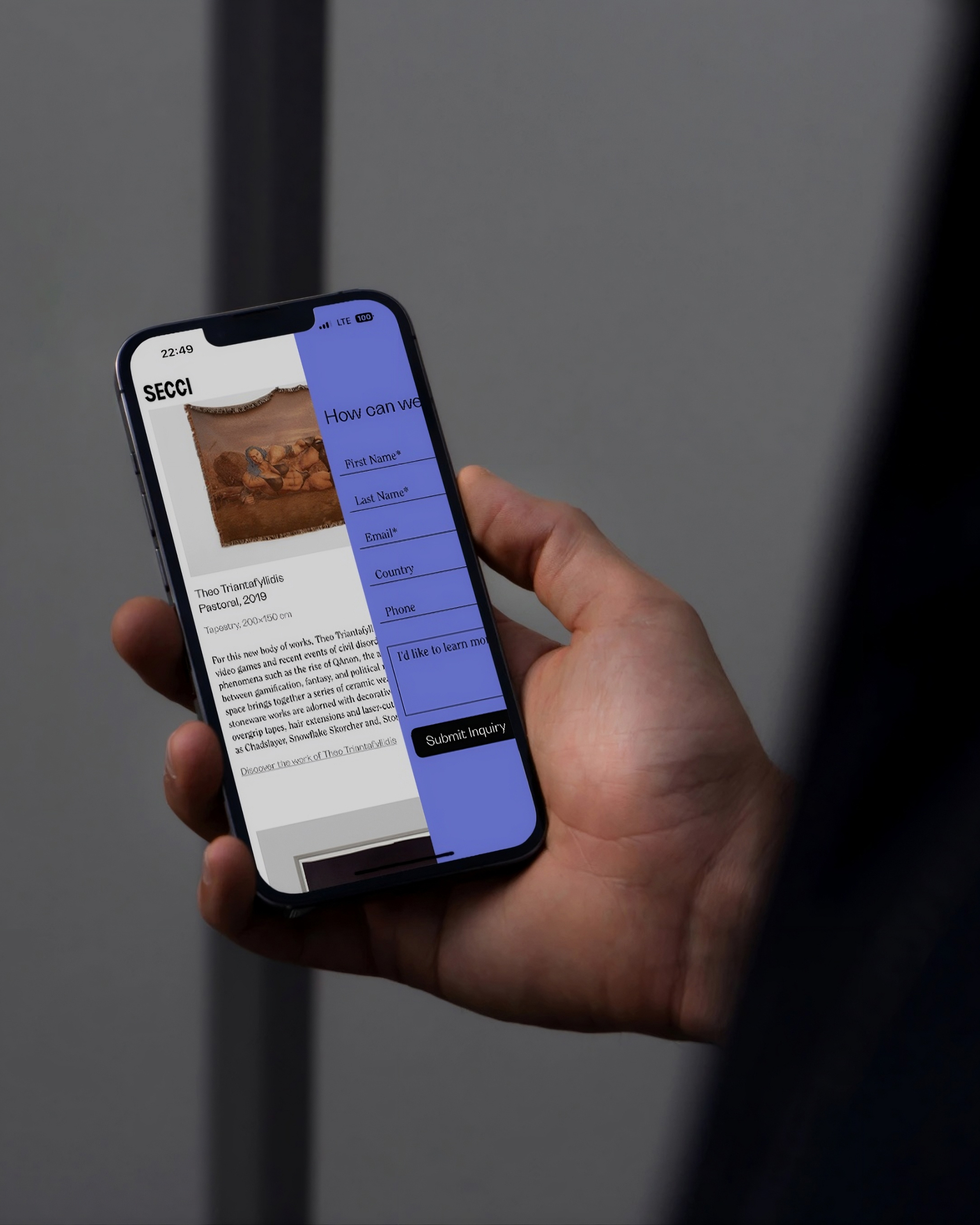
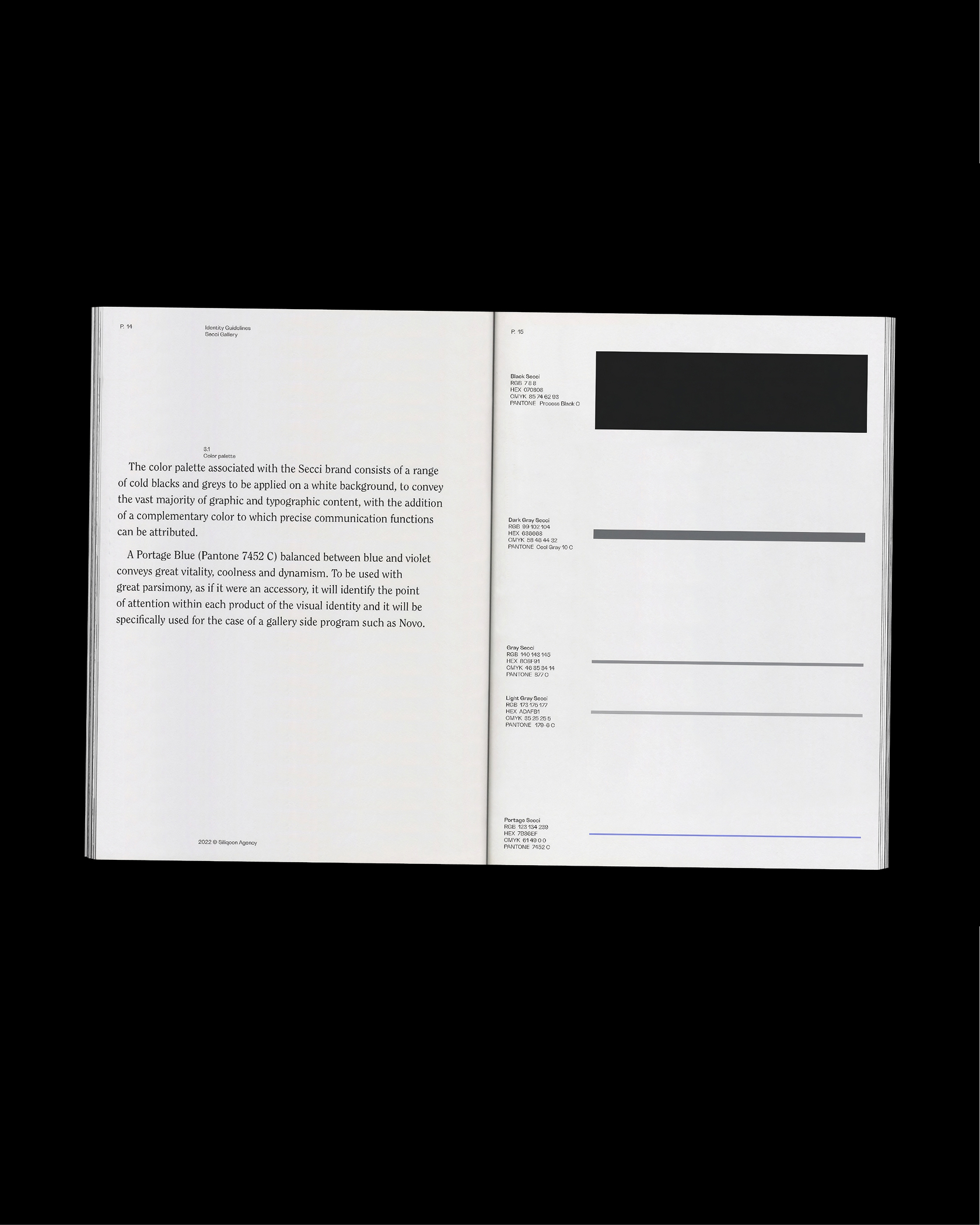
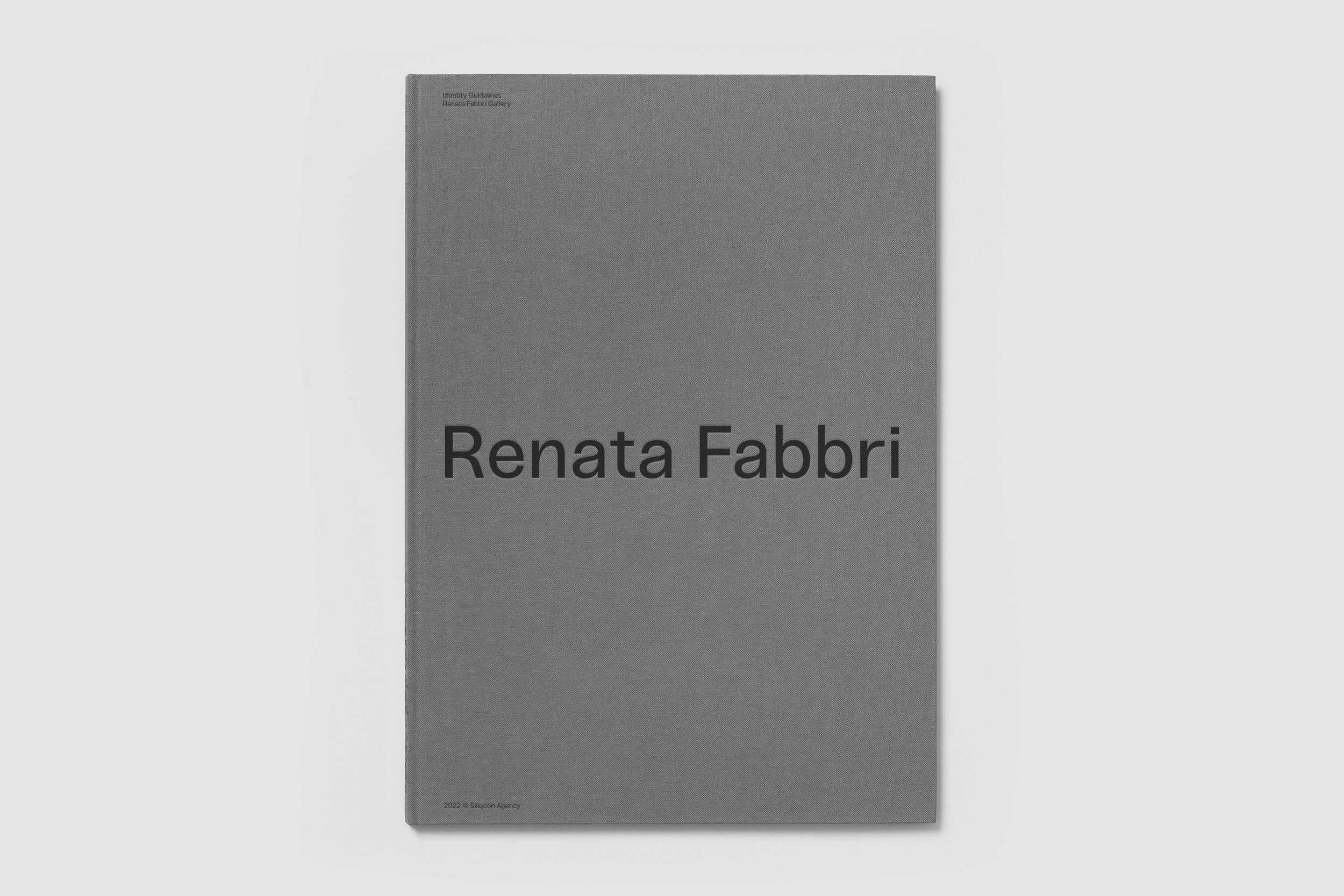
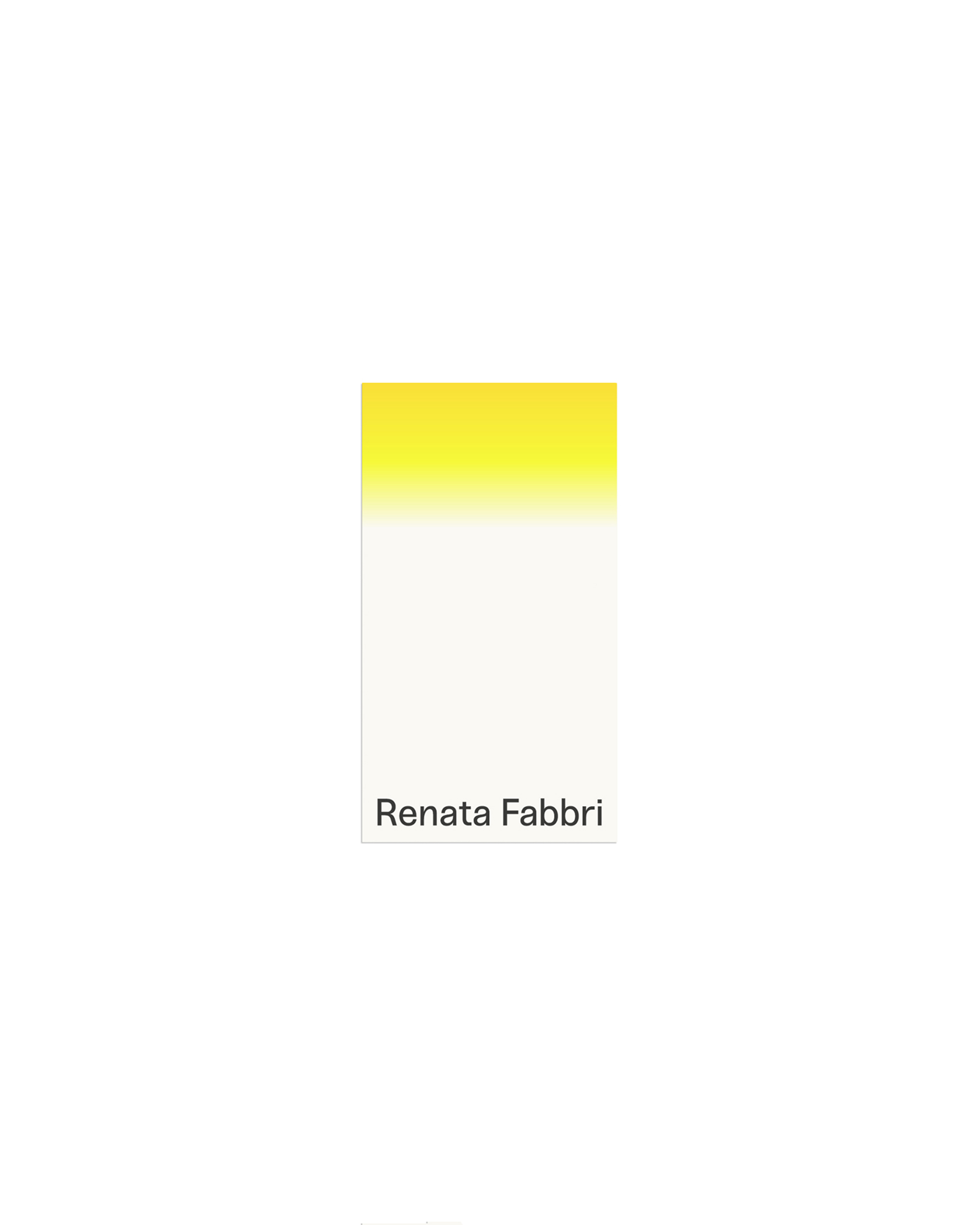
2.1.4The white cube appears neutral. Its apparent emptiness is constructed carefully, and so is every identity system built to extend it. For Secci, the logotype holds two registers at once: grotesque in feeling, softened toward the sans-serif without arriving fully there. Established but formally unstable in a single mark. For Renata Fabbri, the system reduces to blacks and grays, with a single chromatic gesture placed only at the edge of the canvas – never at the center. Recognition builds through restraint. Every apparent neutrality is a controlled construction.

Platforms in Transition
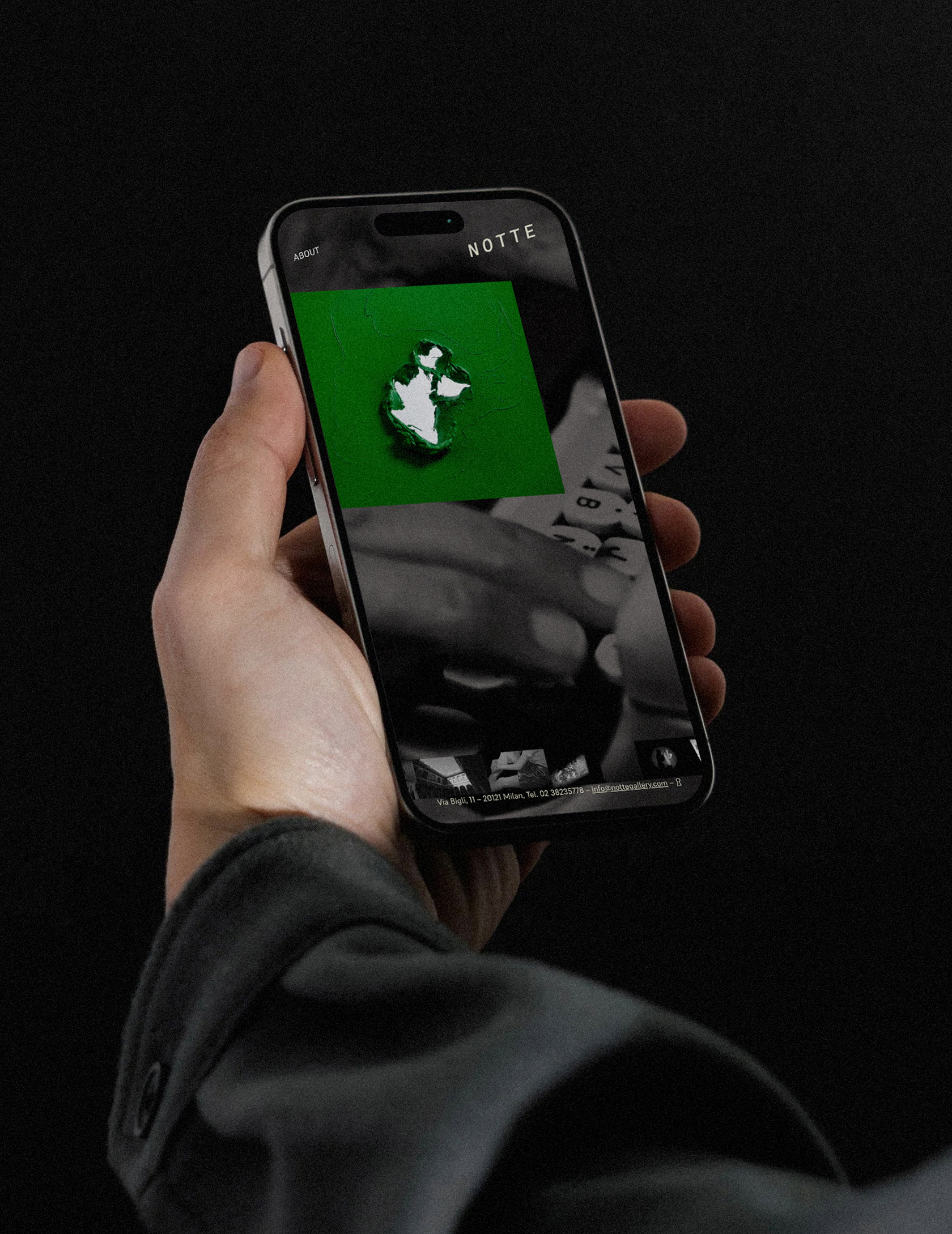
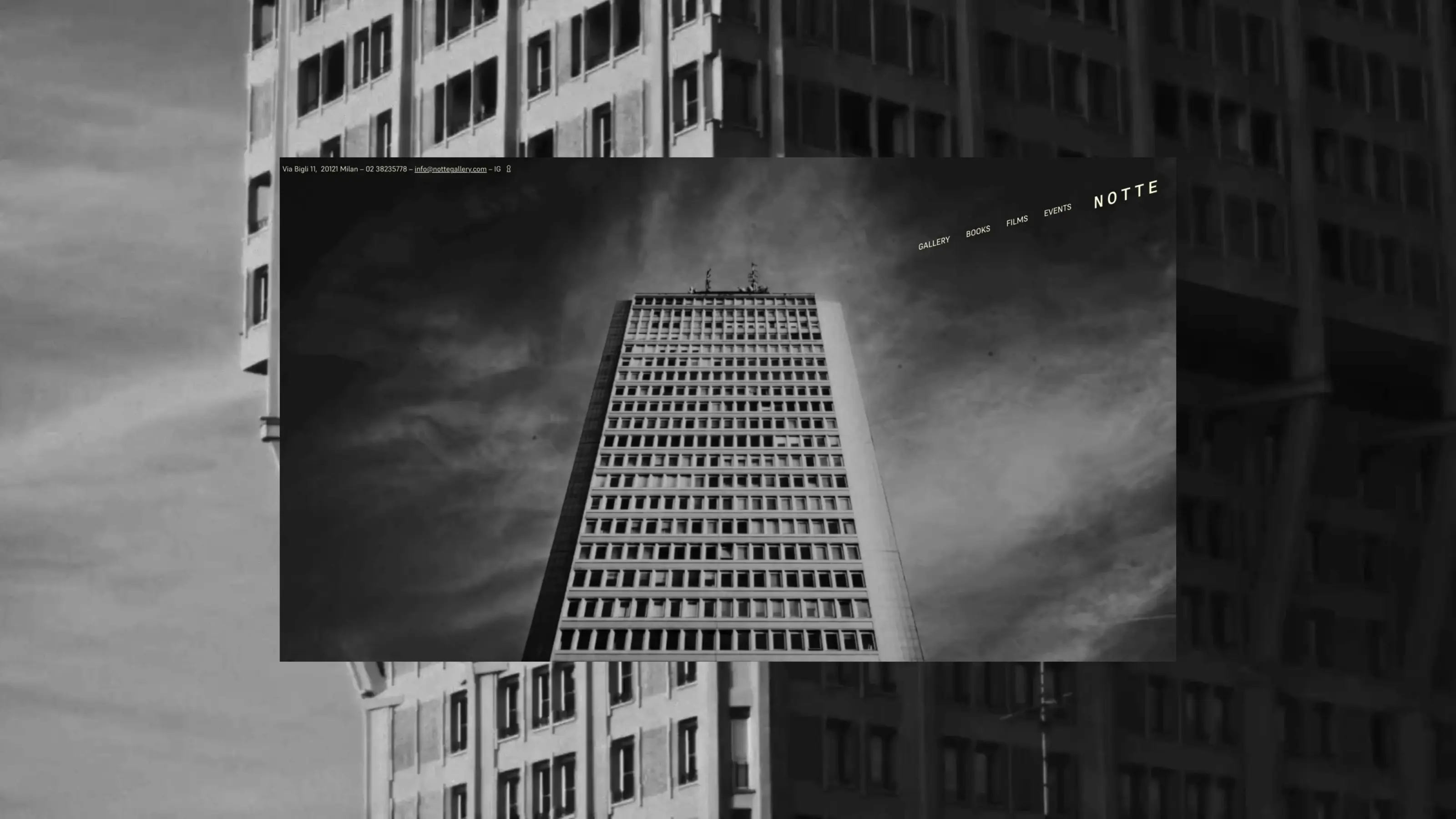
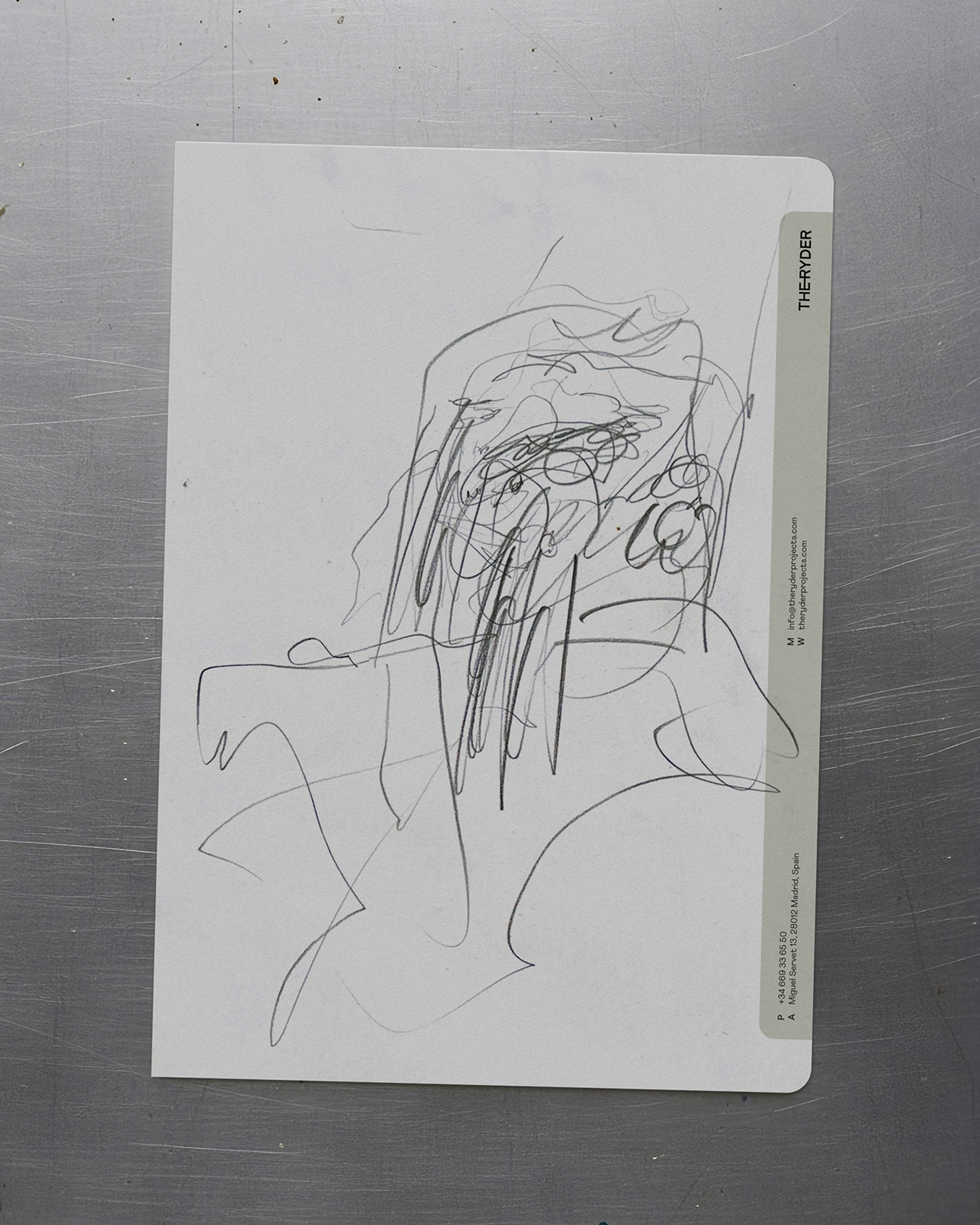
2.1.5Galleries today often operate beyond exhibition formats. Notte started with a program that moves across exhibitions, film, publishing, and events as parts of a single cultural method. The communication had to hold that range without fragmenting it. The Ryder had relocated from London to Madrid, requiring a full rebuild: identity manual, website, social media strategy, operational templates – each element part of one new coherent system. In both cases, communication becomes the infrastructure through which the institution operates.
If this case resonates with you: office@siliqoon.com
More Cases
2.3 On Cultural Organizations
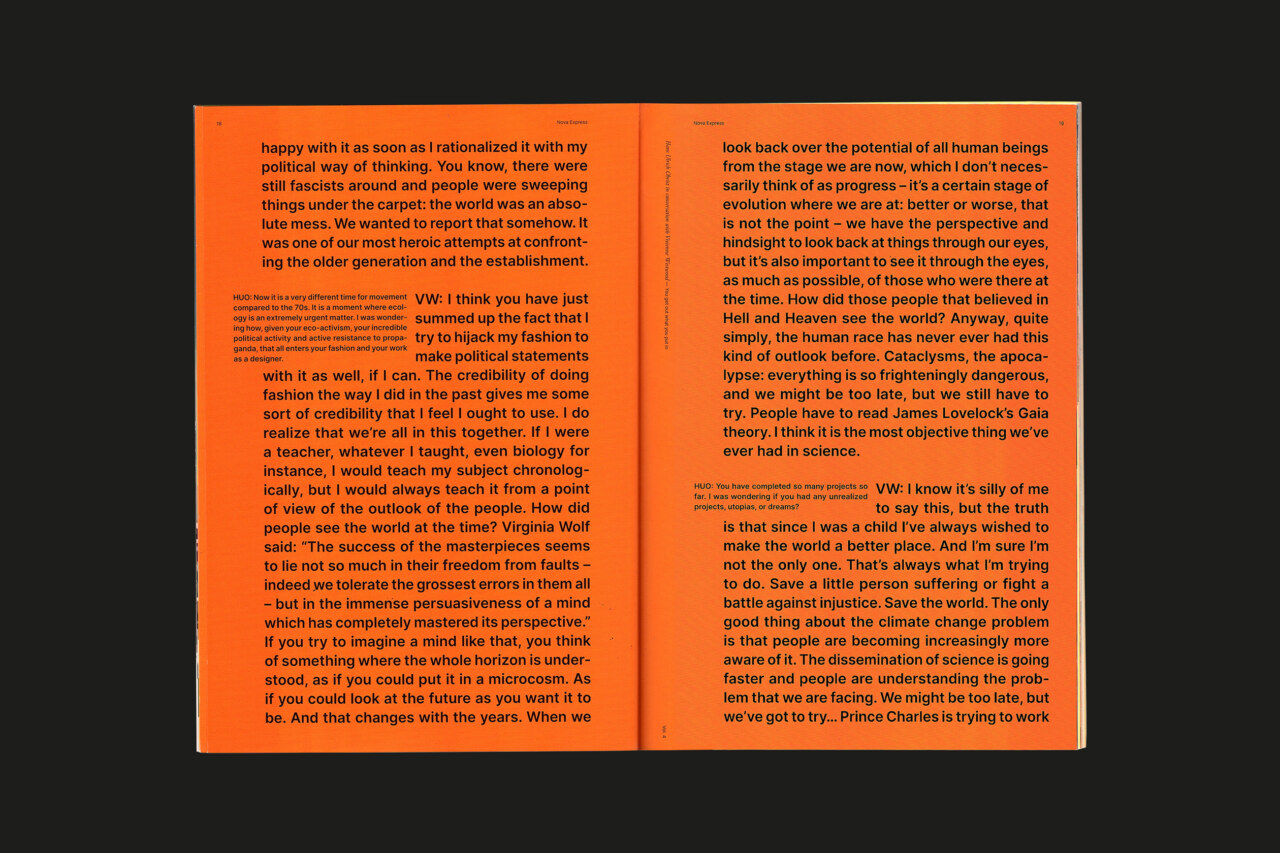
Open case Read caseDeveloping cultural infrastructures across institutions and independent organizations: Centre d’Art Contemporain Genève, Pinacoteca G.A. Levis Chiomonte, Arteco, Nova Express Magazine, Kabul Magazine, Barriera, Karussell, Treti Galaxie, Palazzo Irreale, Painters Painting Paintings.
2.4 On Artists
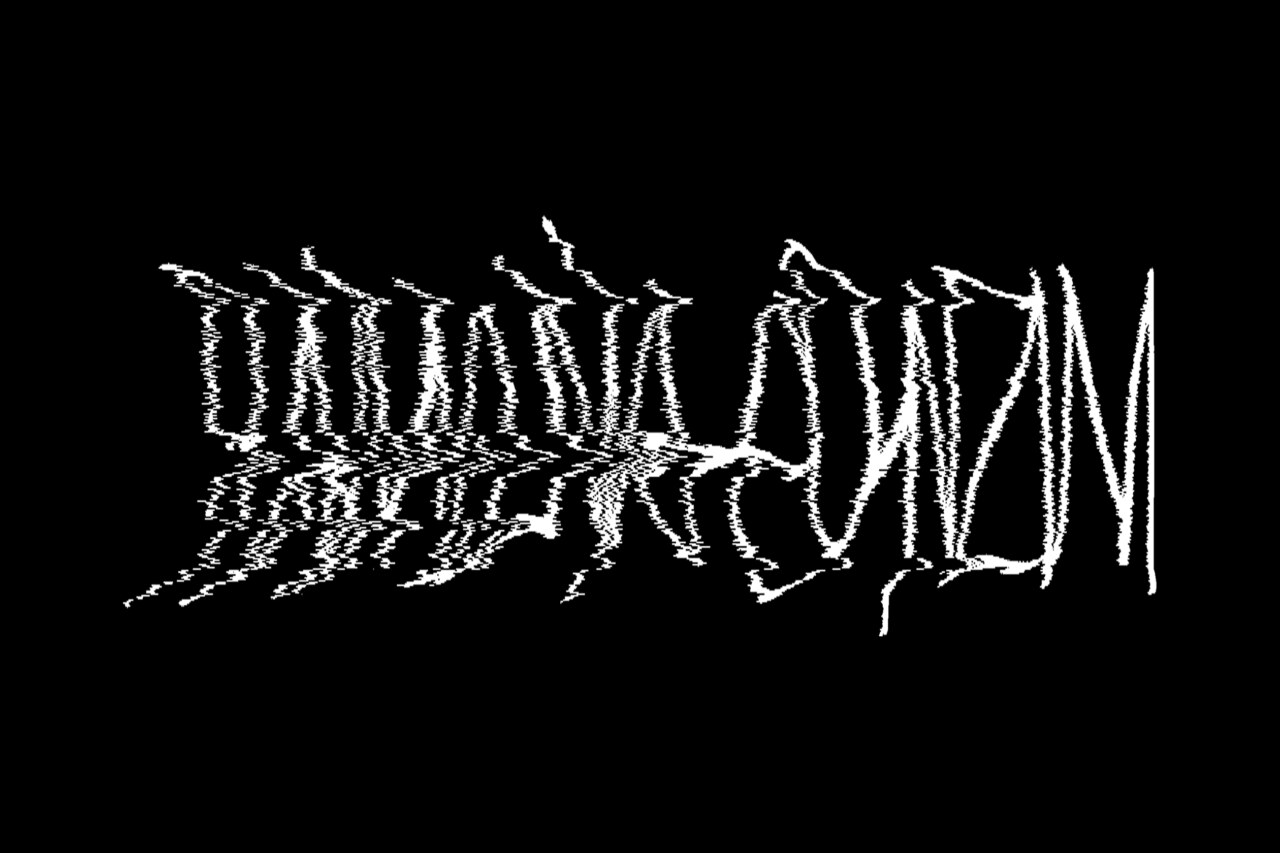
Open case Read caseDeveloping identities, platforms, and contexts around artistic practices: Paola Pivi, Julia Krahn, Sara Enrico, Riccardo Baruzzi, Tiziano Martini, Viola Leddi, Emilio Fantin, Grace Prince, Ramona Ponzini, Andrea Magnani, Variante Artistica, Altalena, Resign.
2.2 On Fashion Brands
Open case Read caseDeveloping cultural and creative systems within fashion brands: Missoni, Aspesi, Marsèll, K-Way, Muso.