On Fashion Brands
Developing cultural and creative systems within fashion brands: Missoni, Aspesi, Marsèll, K-Way, Muso.
Culture is the material
2.2.1Most fashion brands work on desire. Very few construct meaning, something that persists beyond the season, beyond the campaign, beyond the product itself. The brands in this case decided that culture was the substance of their communication. Working with Missoni, Aspesi, Marsèll, K-Way, and Muso meant operating at the intersection where fashion logic and cultural logic either reinforce each other or collapse. Navigating that intersection without losing either side is the work.
Fashion with a Program
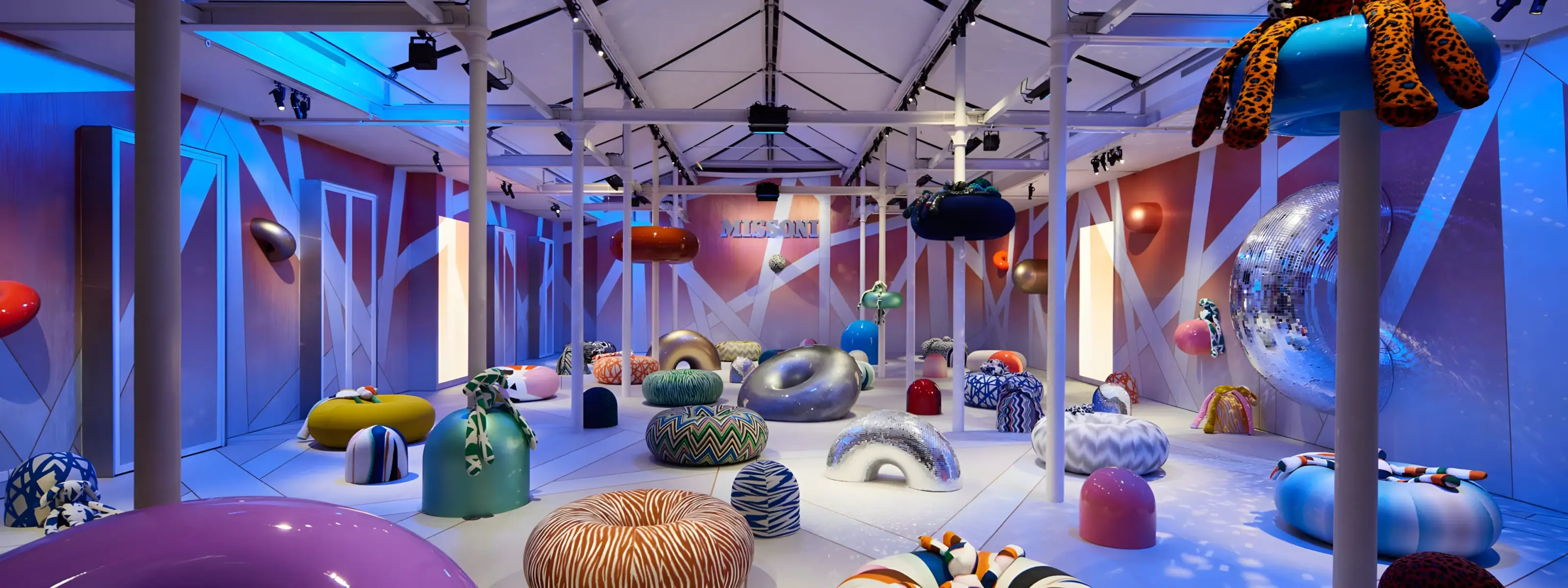
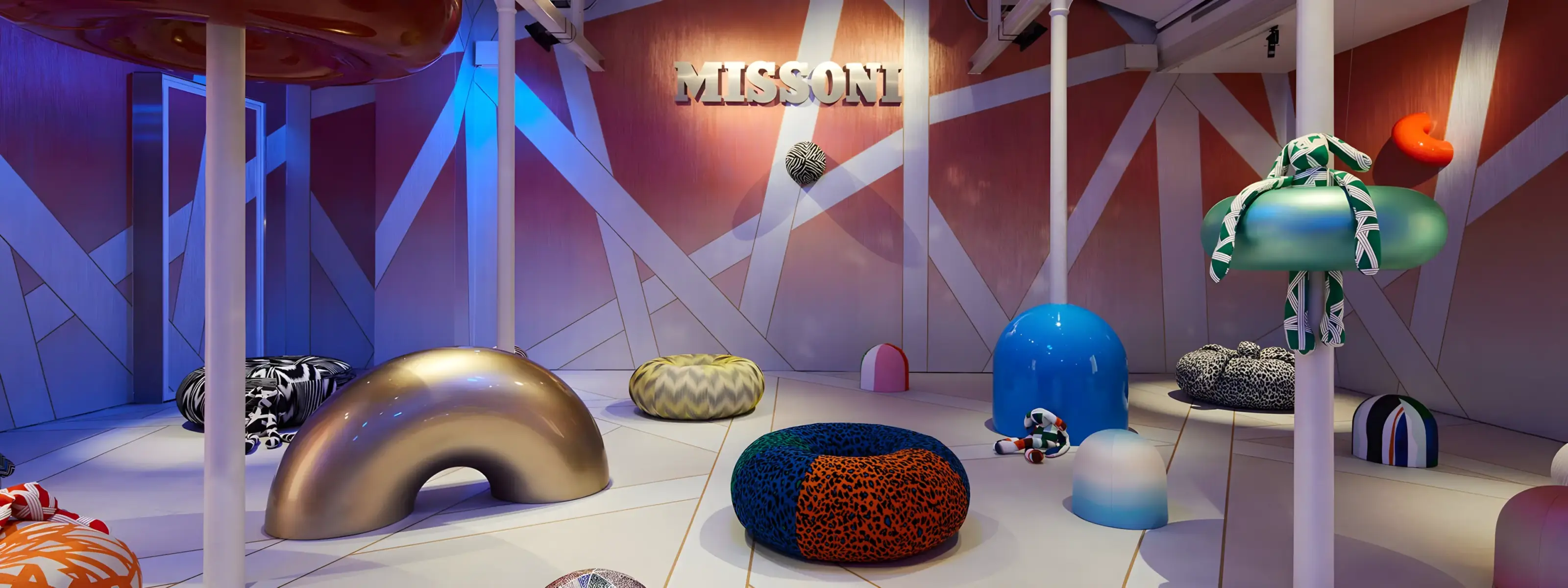
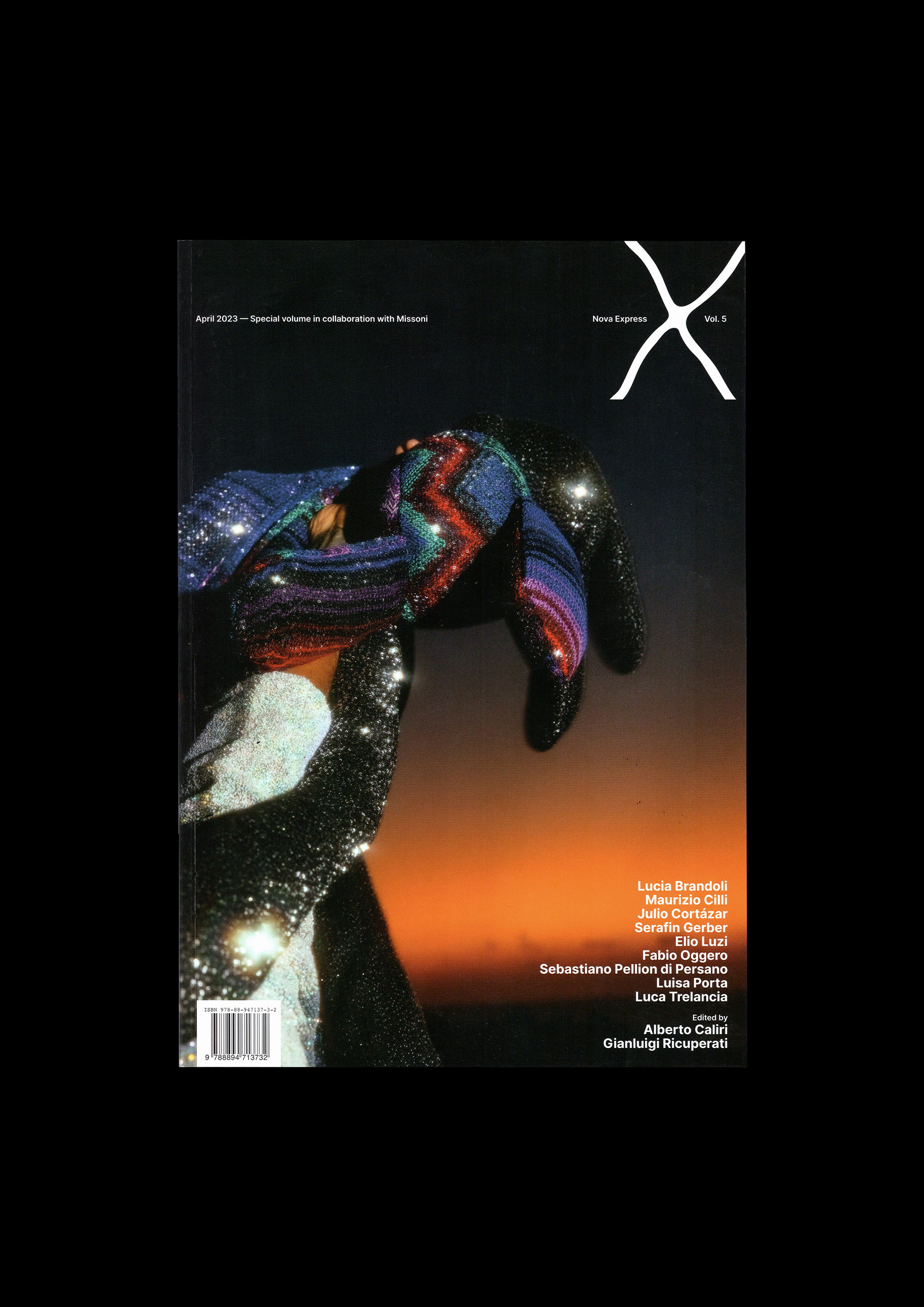
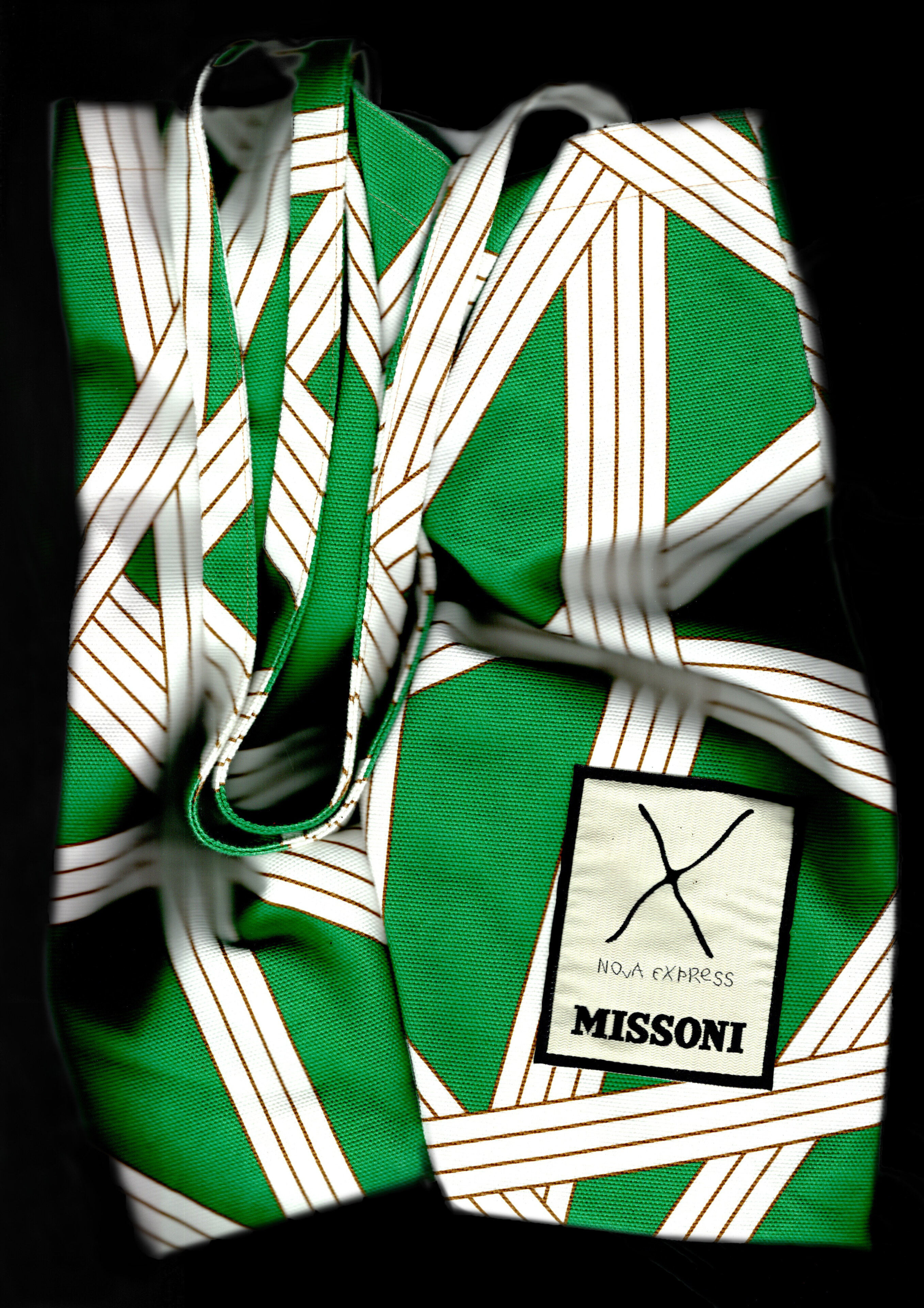
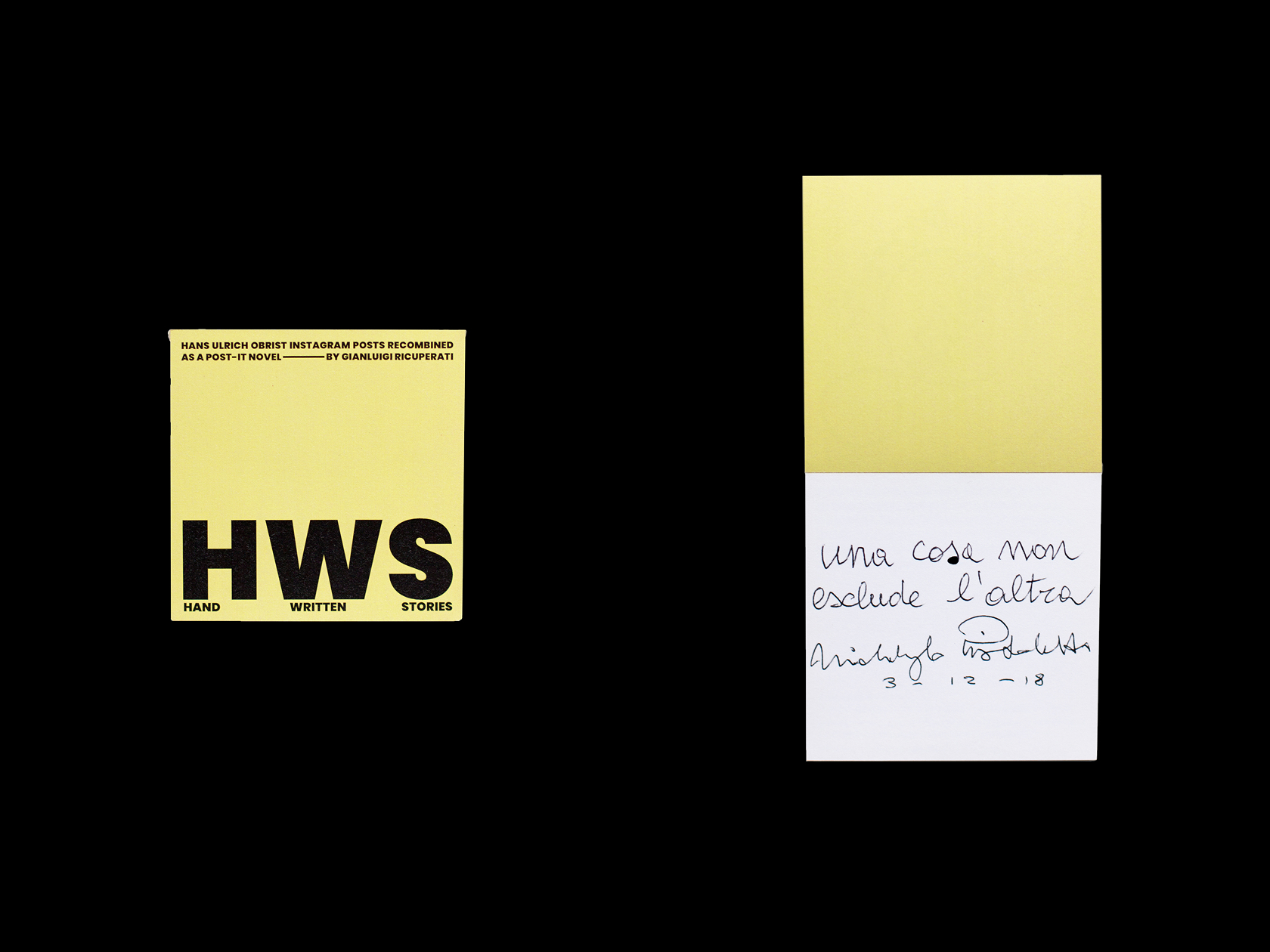
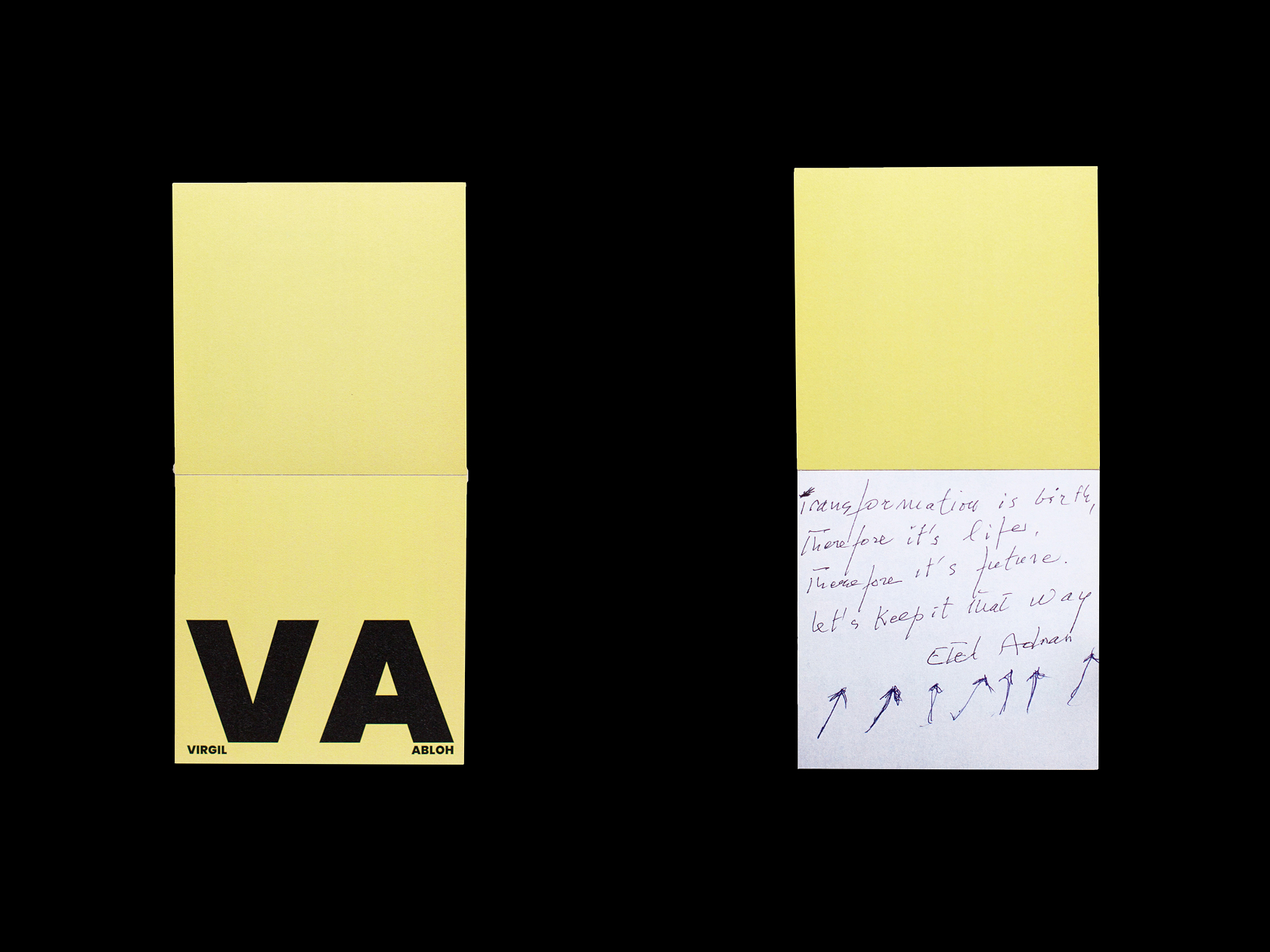
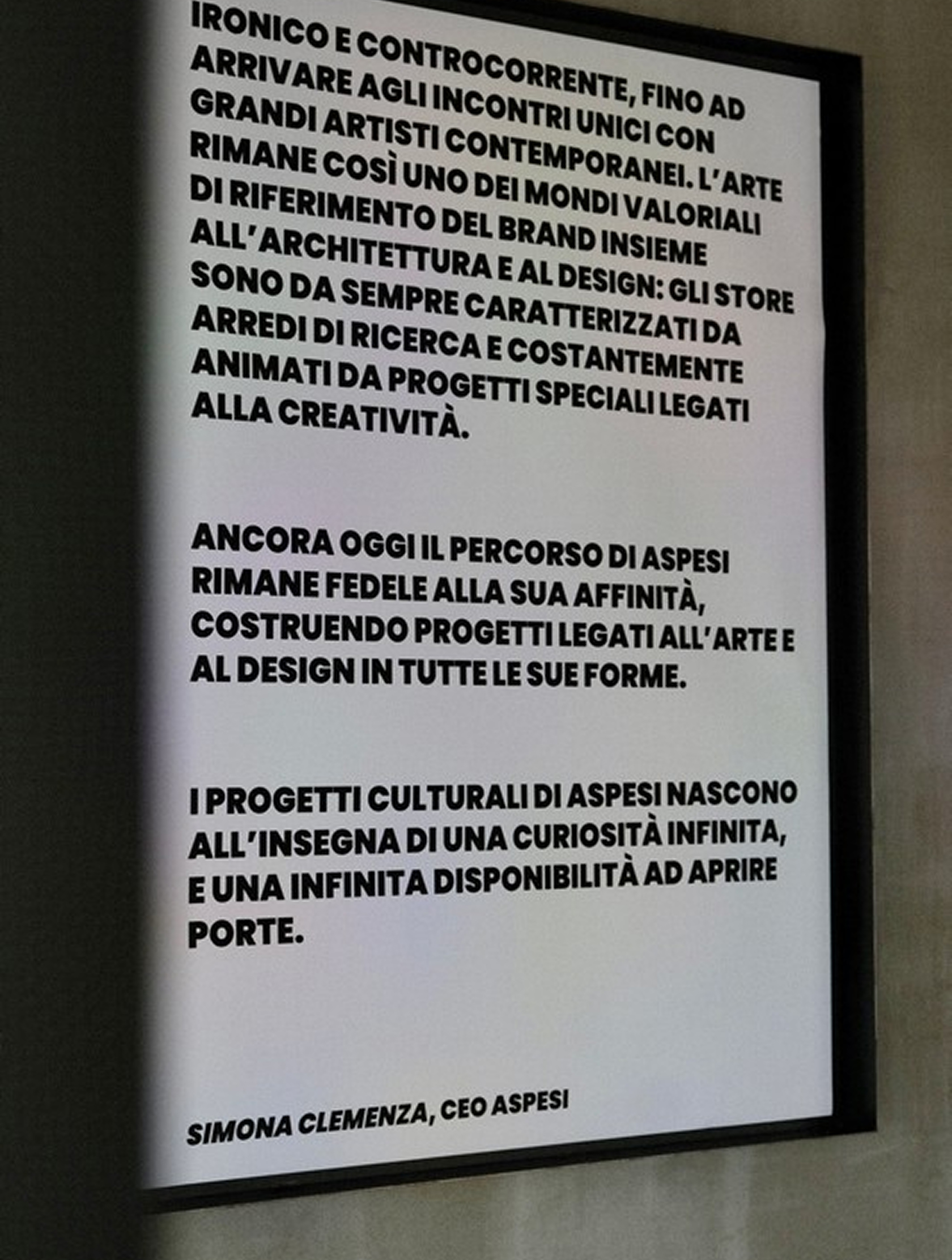
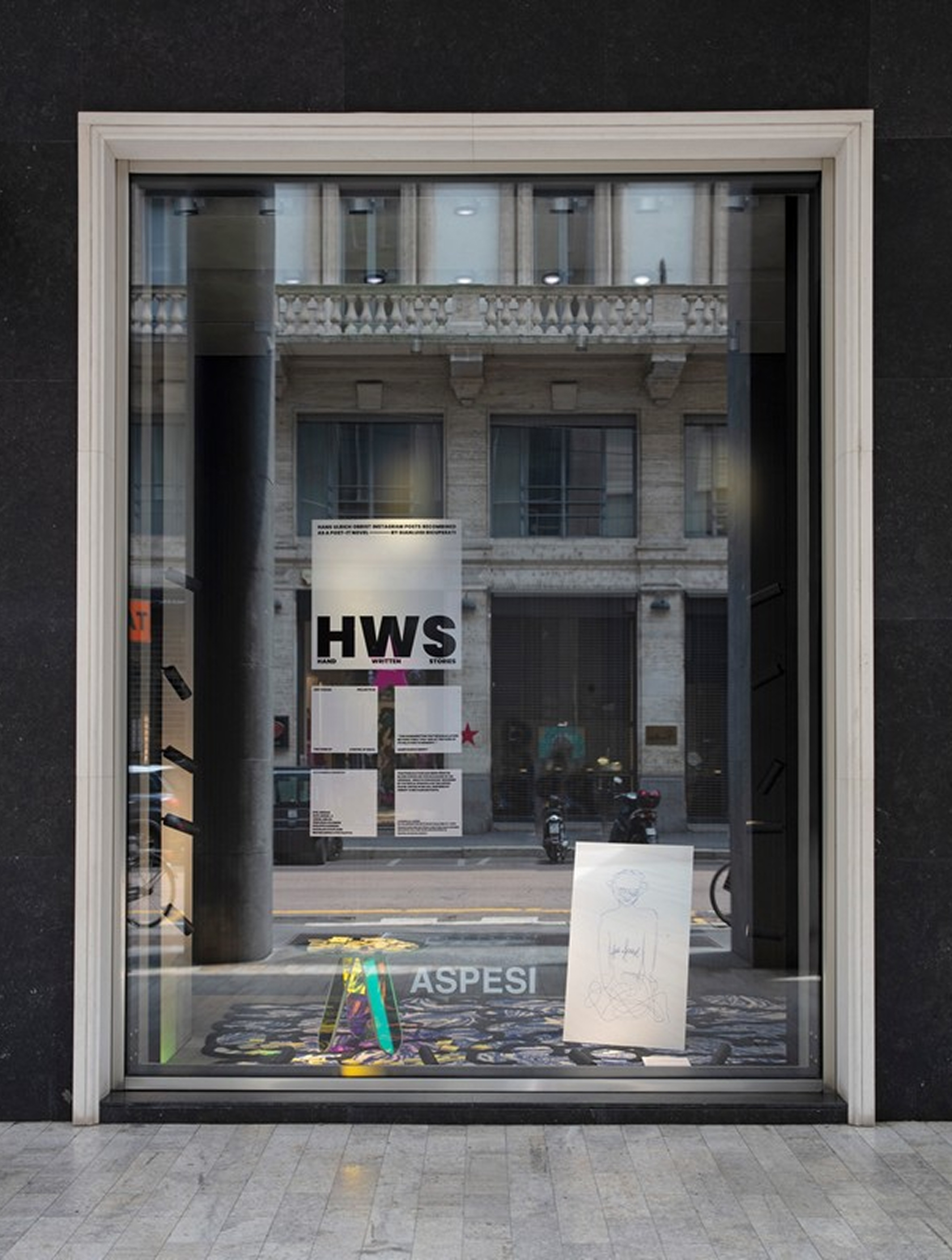
2.2.2When brands develop cultural programs not as collateral activities but as extensions of their identity, communication shifts from advertising toward editorial and curatorial structures. Missoni approached this territory through publishing, expanding the language of the brand into editorial form. Aspesi transformed its retail spaces into curatorial environments during Salone del Mobile through Hand Written Stories, built around Hans Ulrich Obrist’s Post-it collection and contributions from multiple artists. In both cases, the task was to construct a system able to mediate between fashion retail, exhibition display, and publication – allowing the brand to operate through cultural production and moving beyond product communication.
Spaces Where Fashion Meets Art
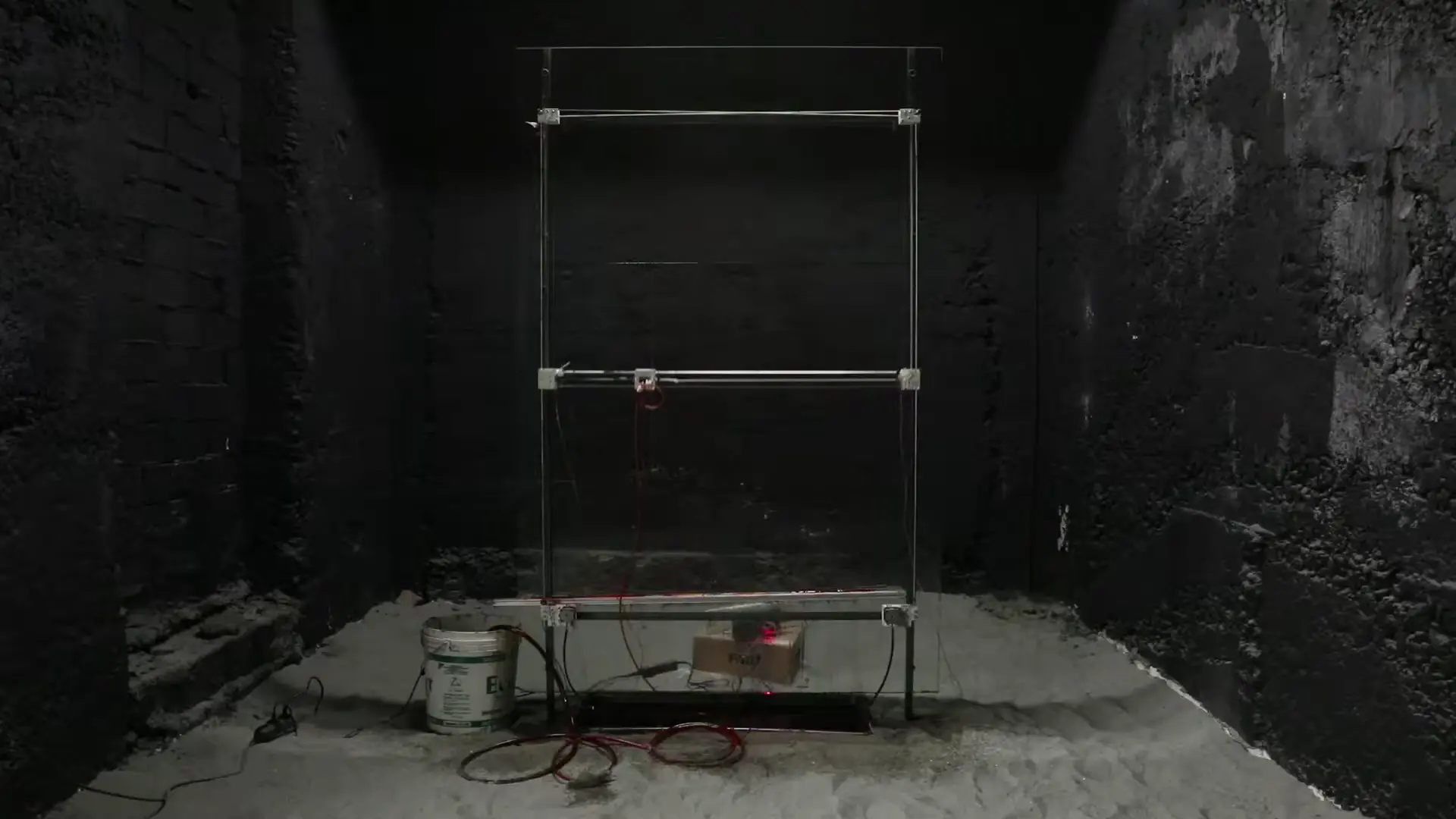
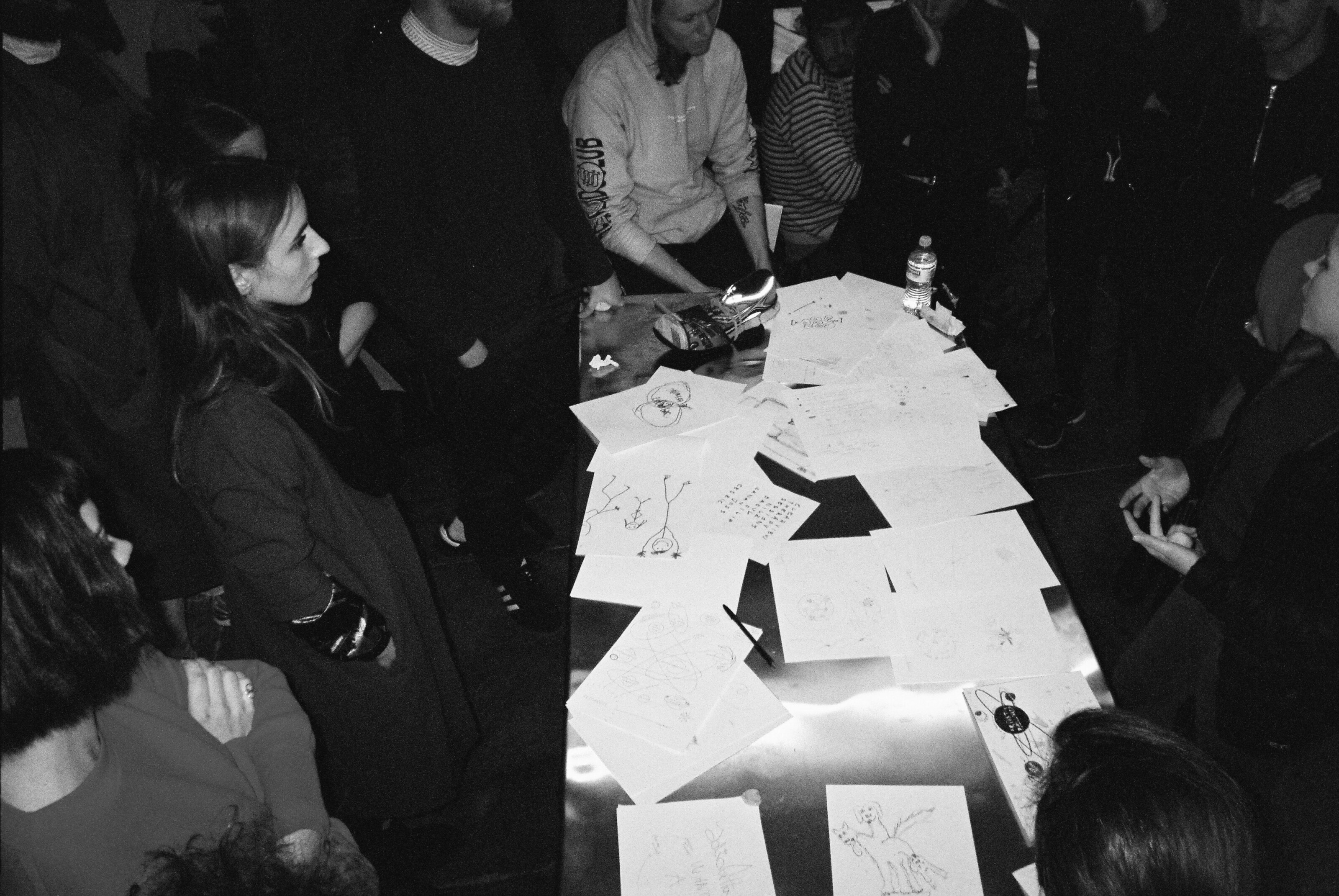
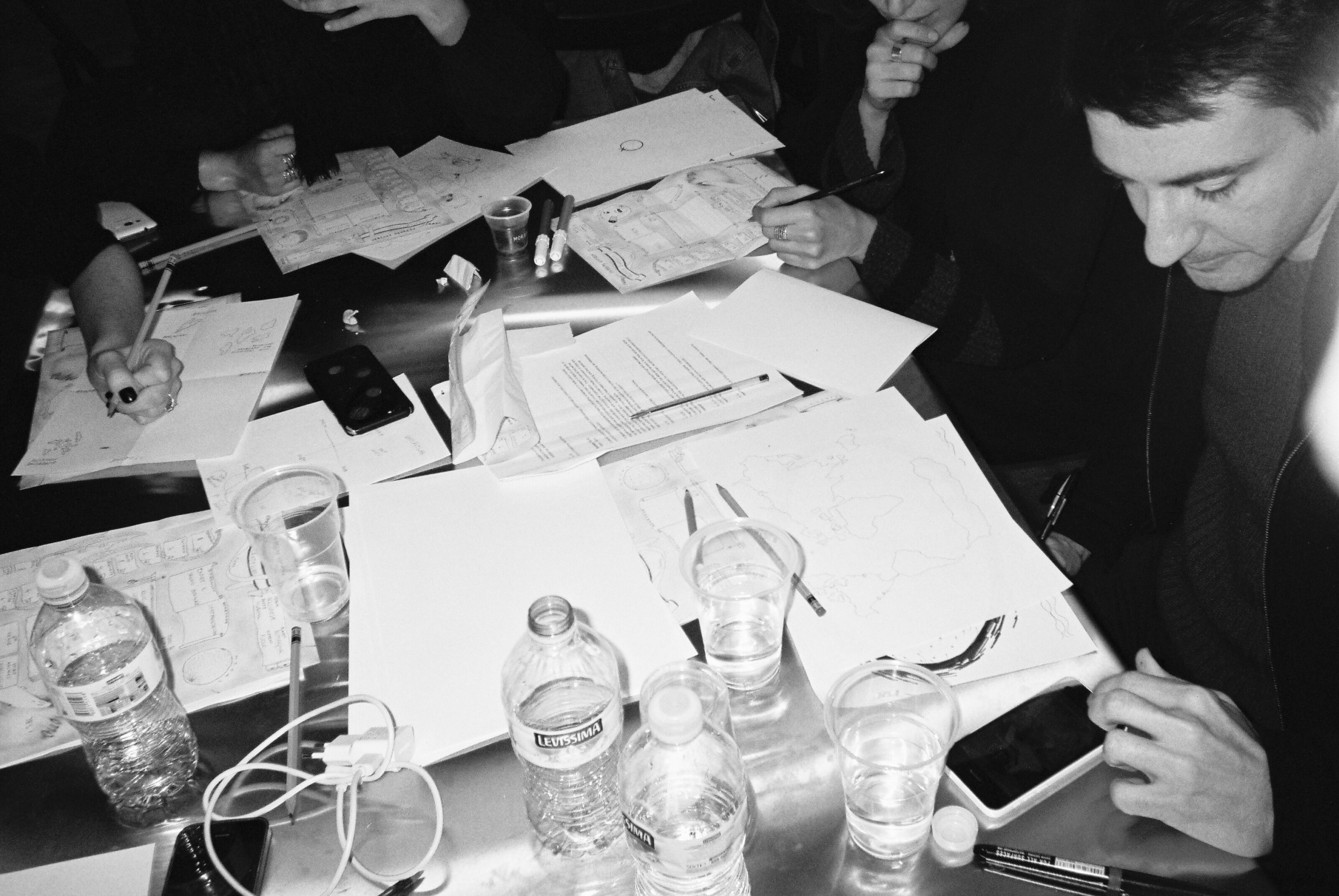
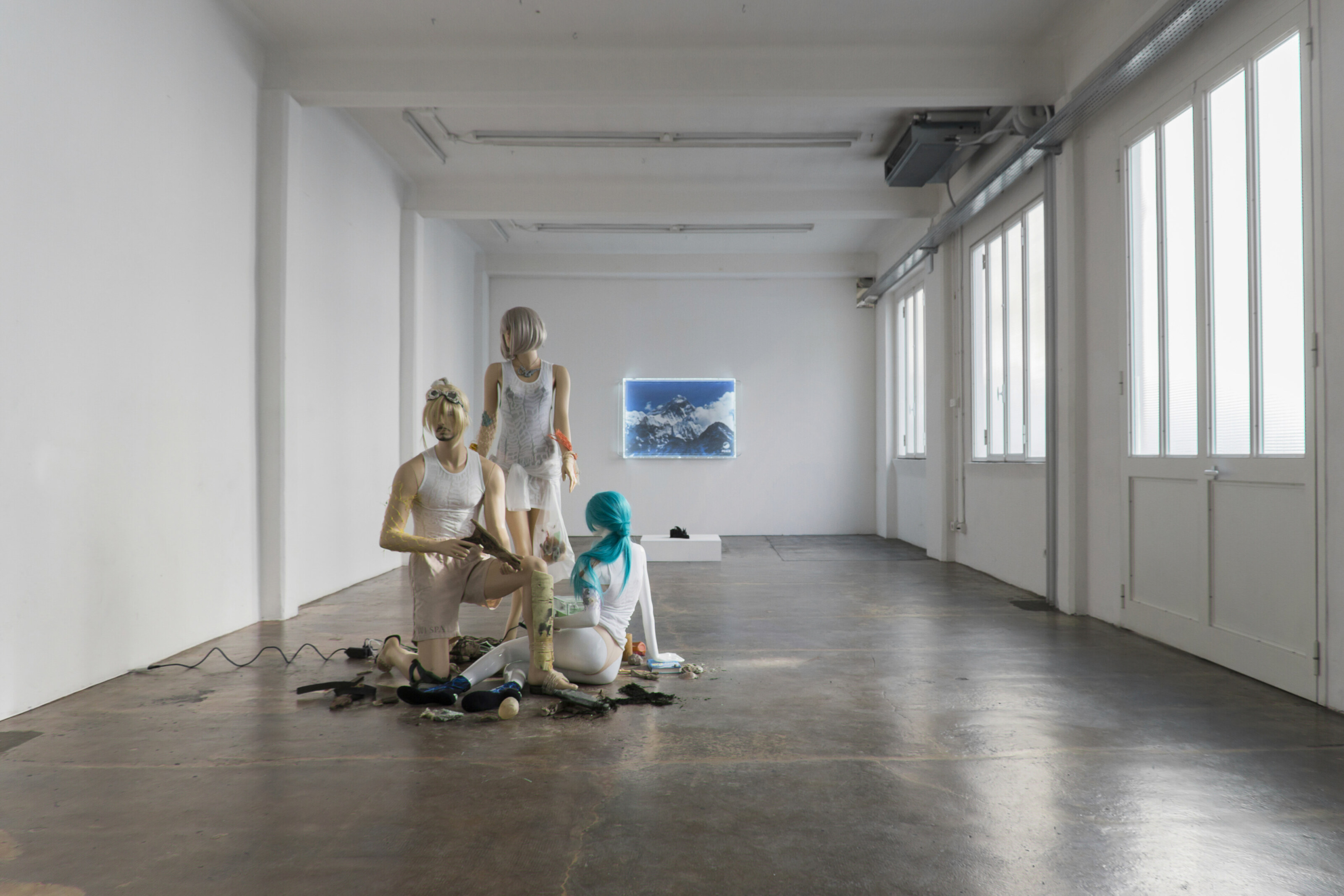
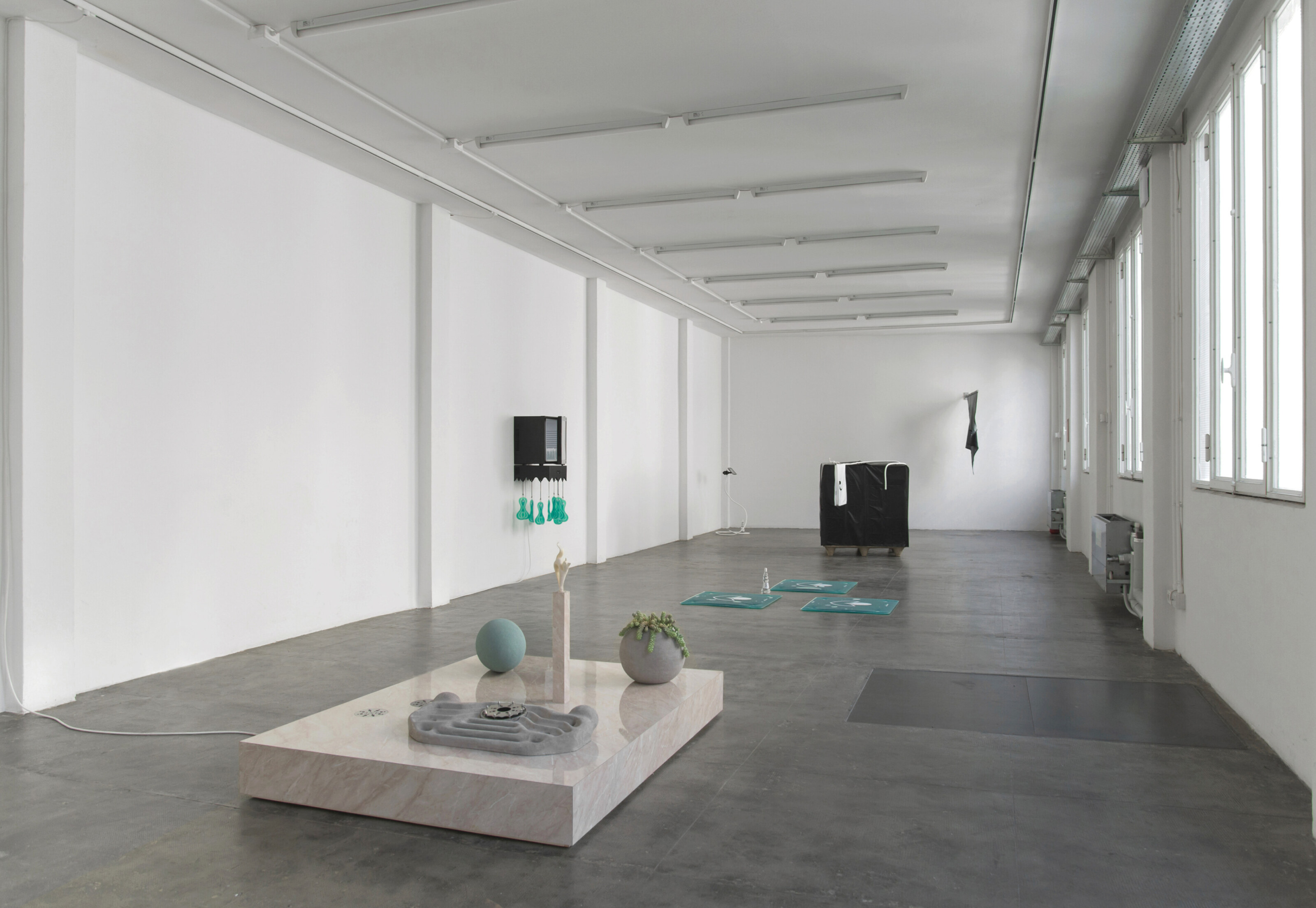
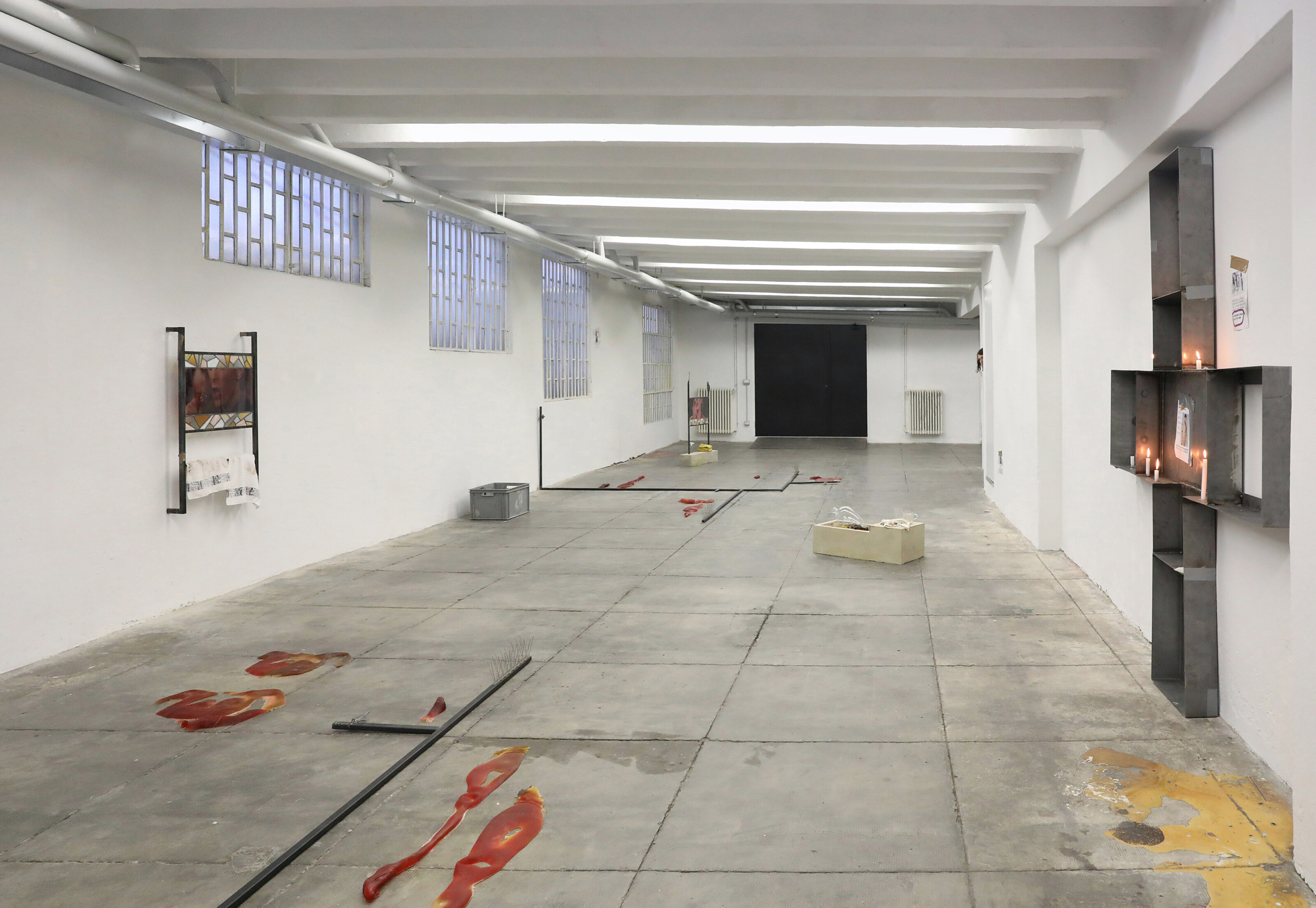
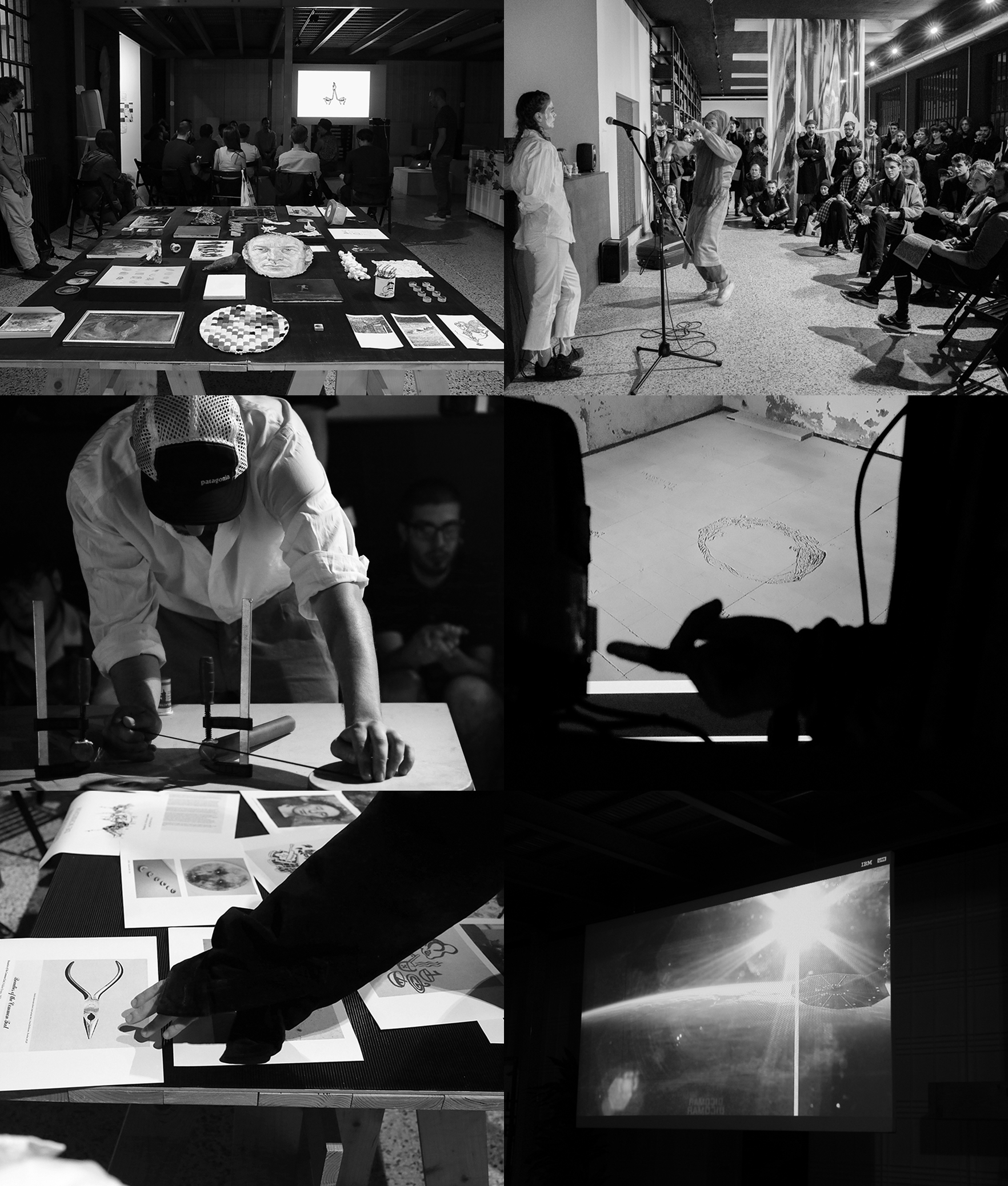
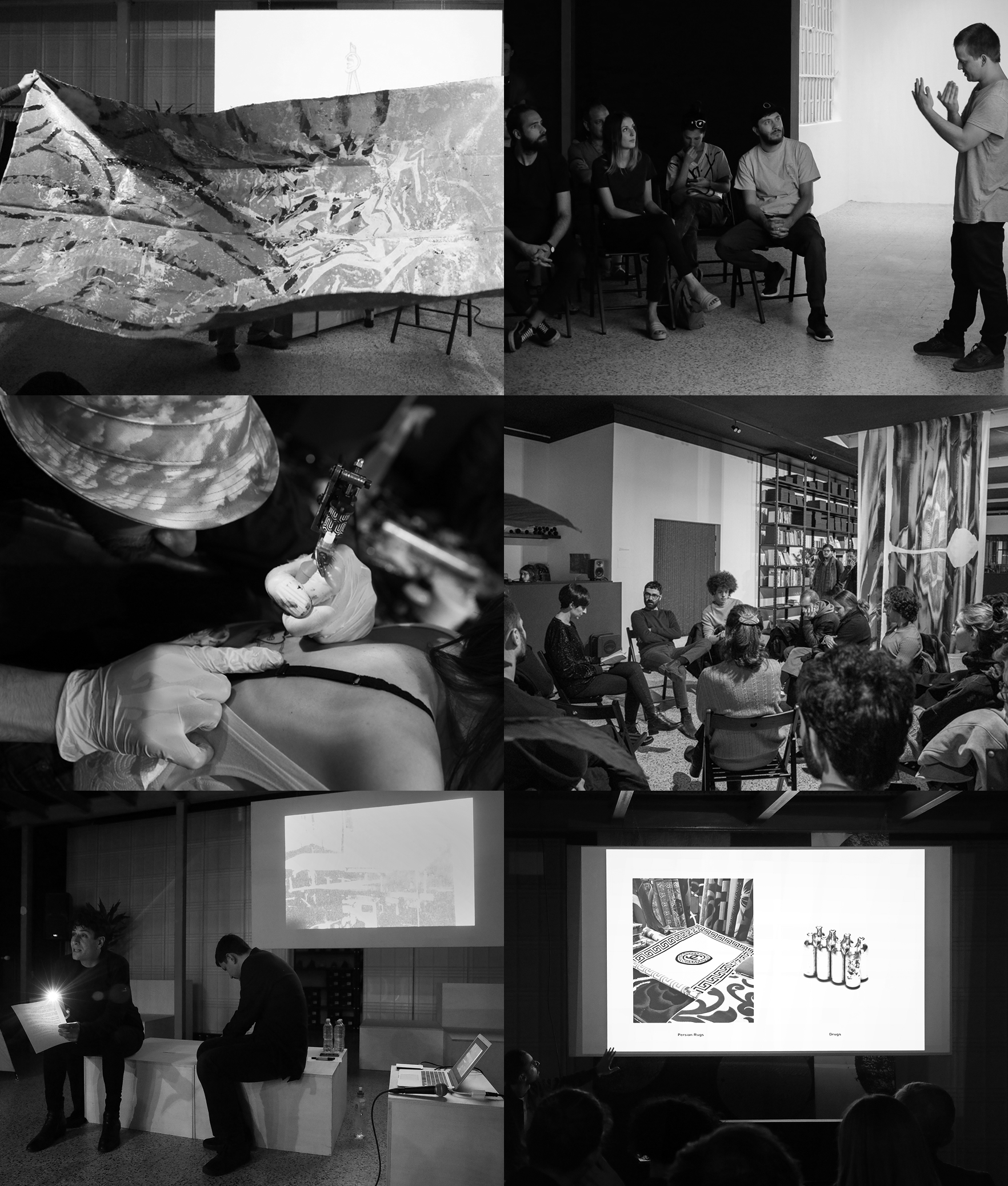
2.2.3Some brands go further and construct environments where artistic production becomes part of the brand’s internal ecosystem. Marsèll did this through Marsèlleria, a cultural platform active between Milan and New York for almost a decade. Rather than hosting isolated exhibitions, the space functioned as a laboratory where artists, curators, and researchers could test formats moving between exhibitions, performances, talks, and publications. Siliqoon’s role extended beyond communication into curatorial and production fields – shaping formats, producing events, building a public program capable of connecting artistic research with the brand’s cultural identity. The result was a long-term cultural structure embedded within the brand.
Brands That Entered the Dictionary
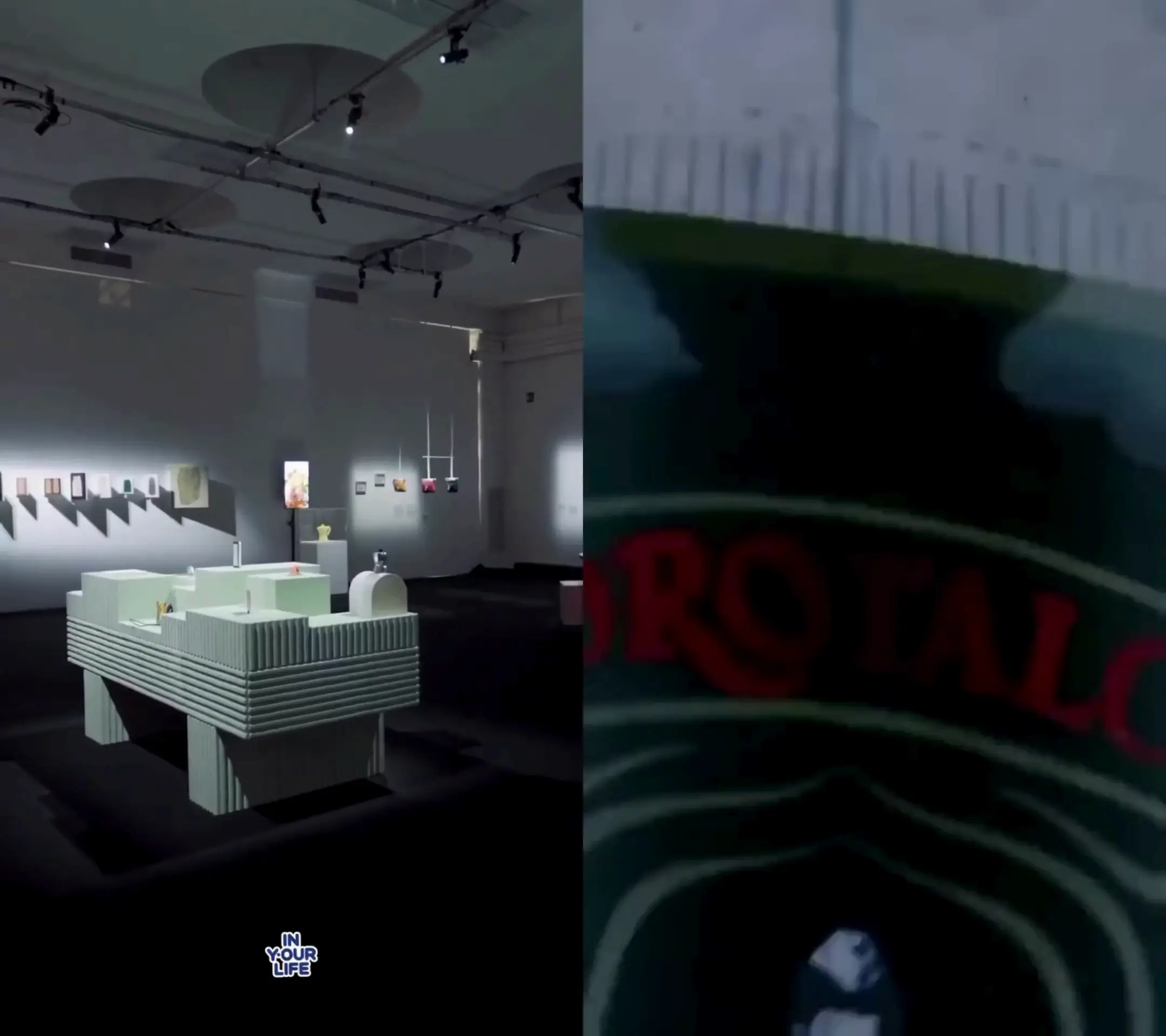
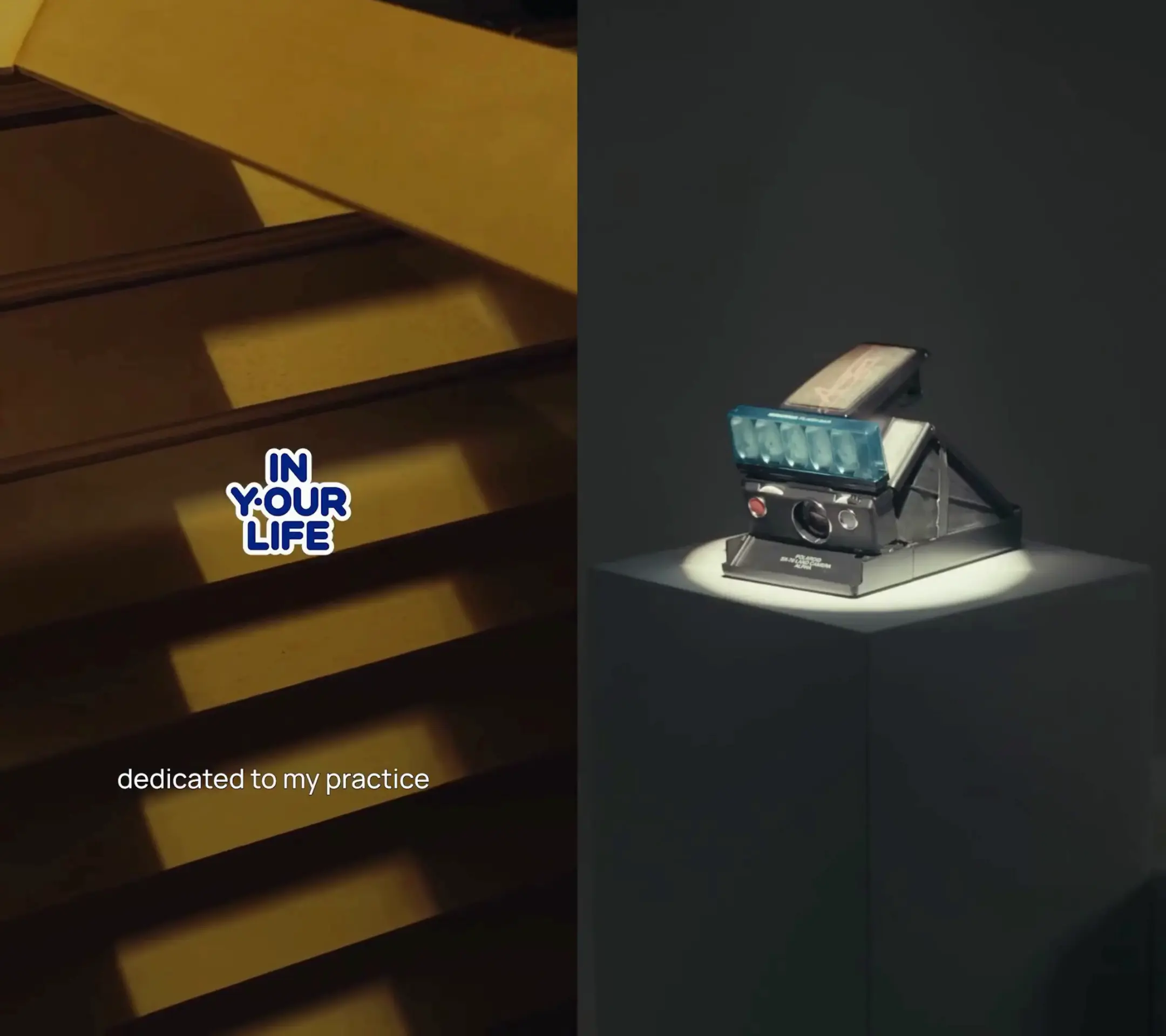
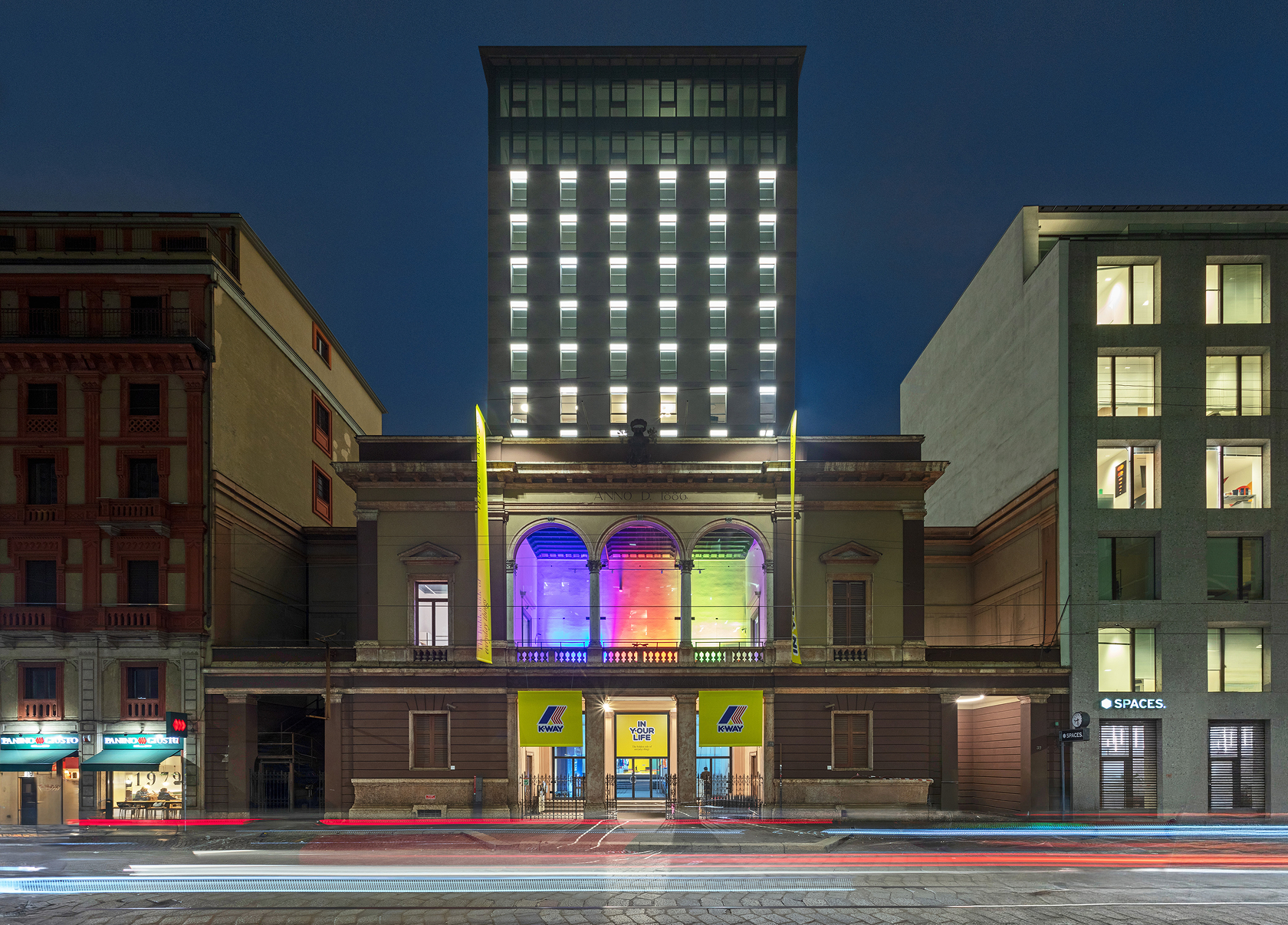
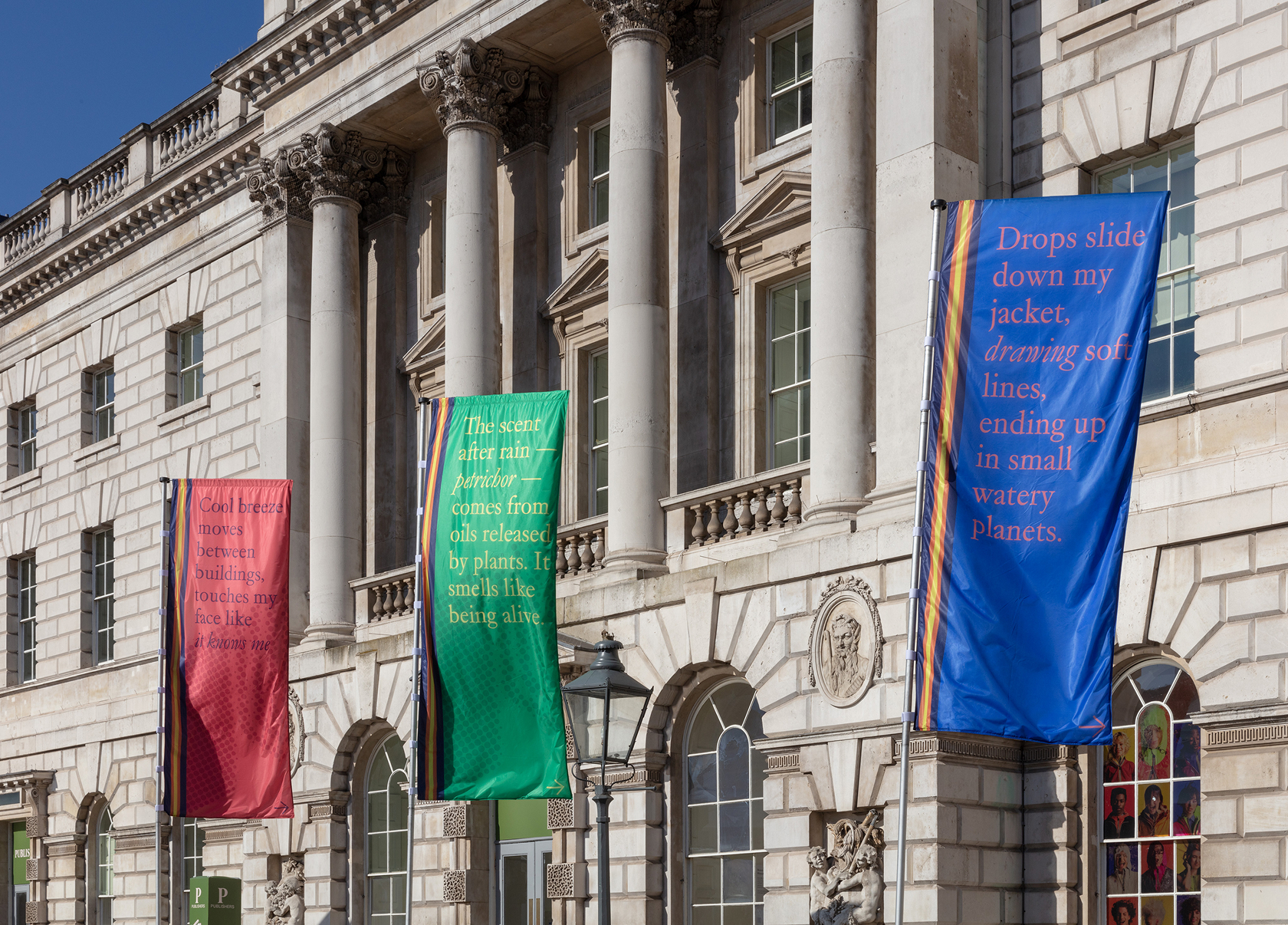
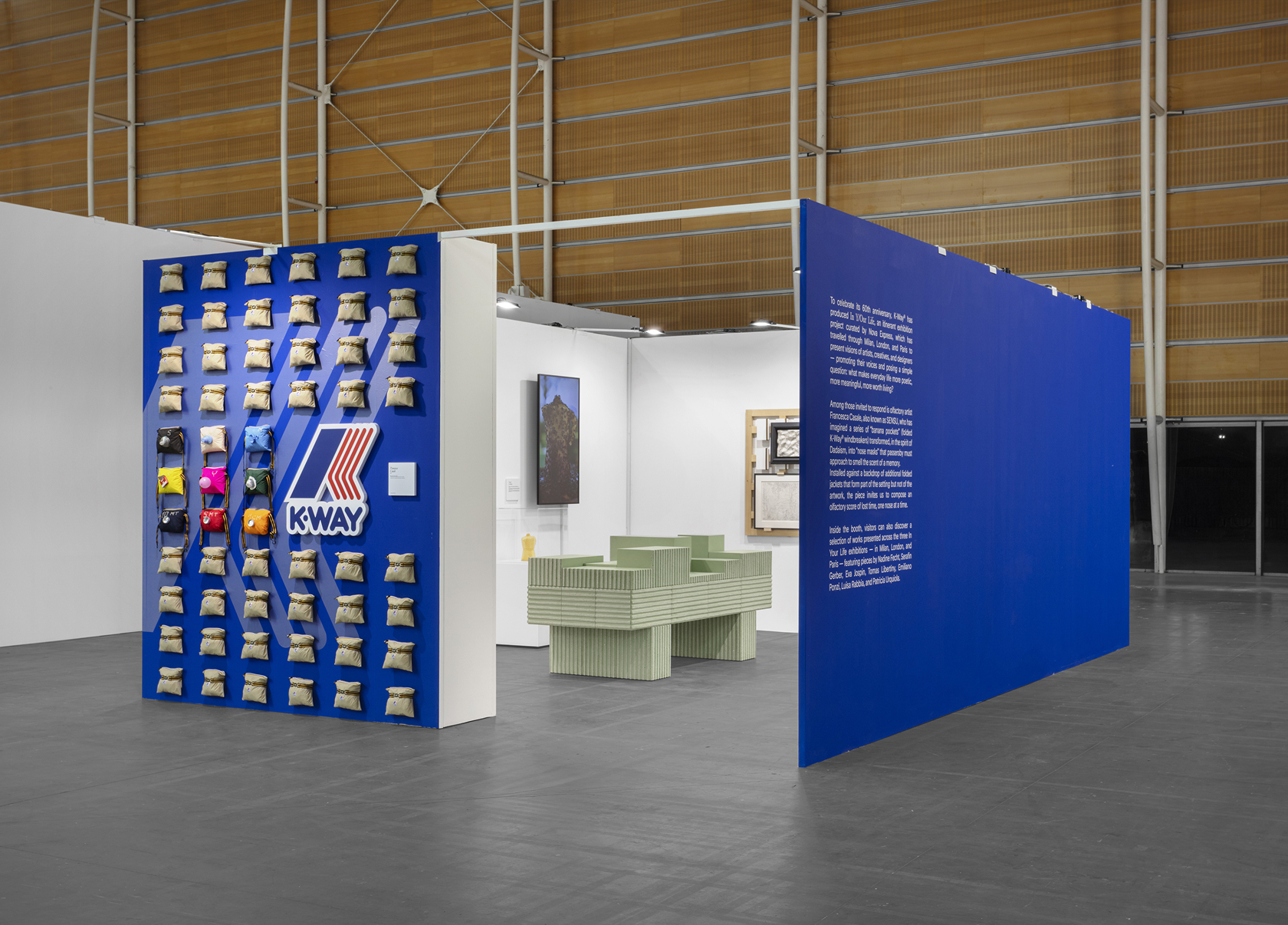
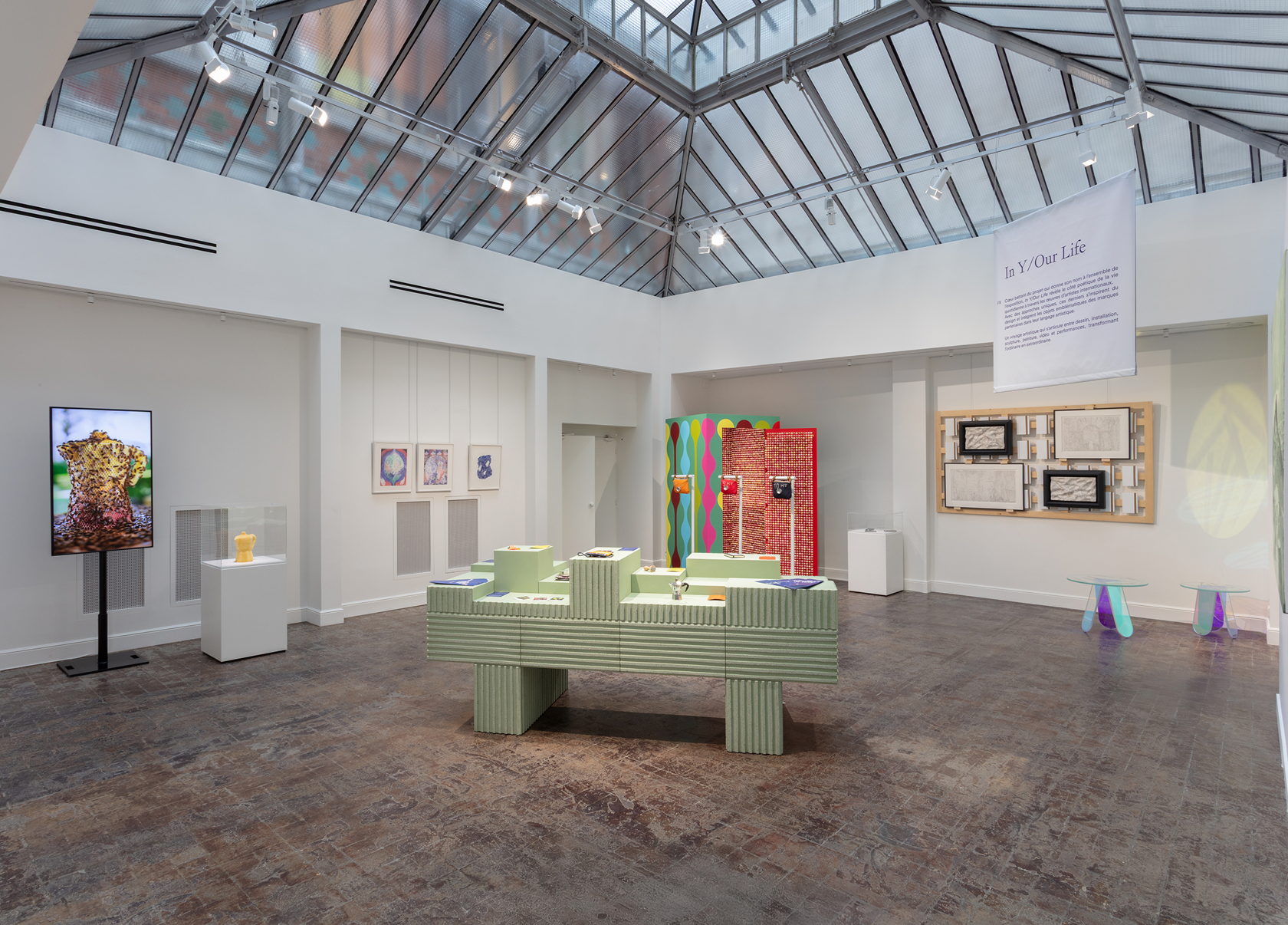
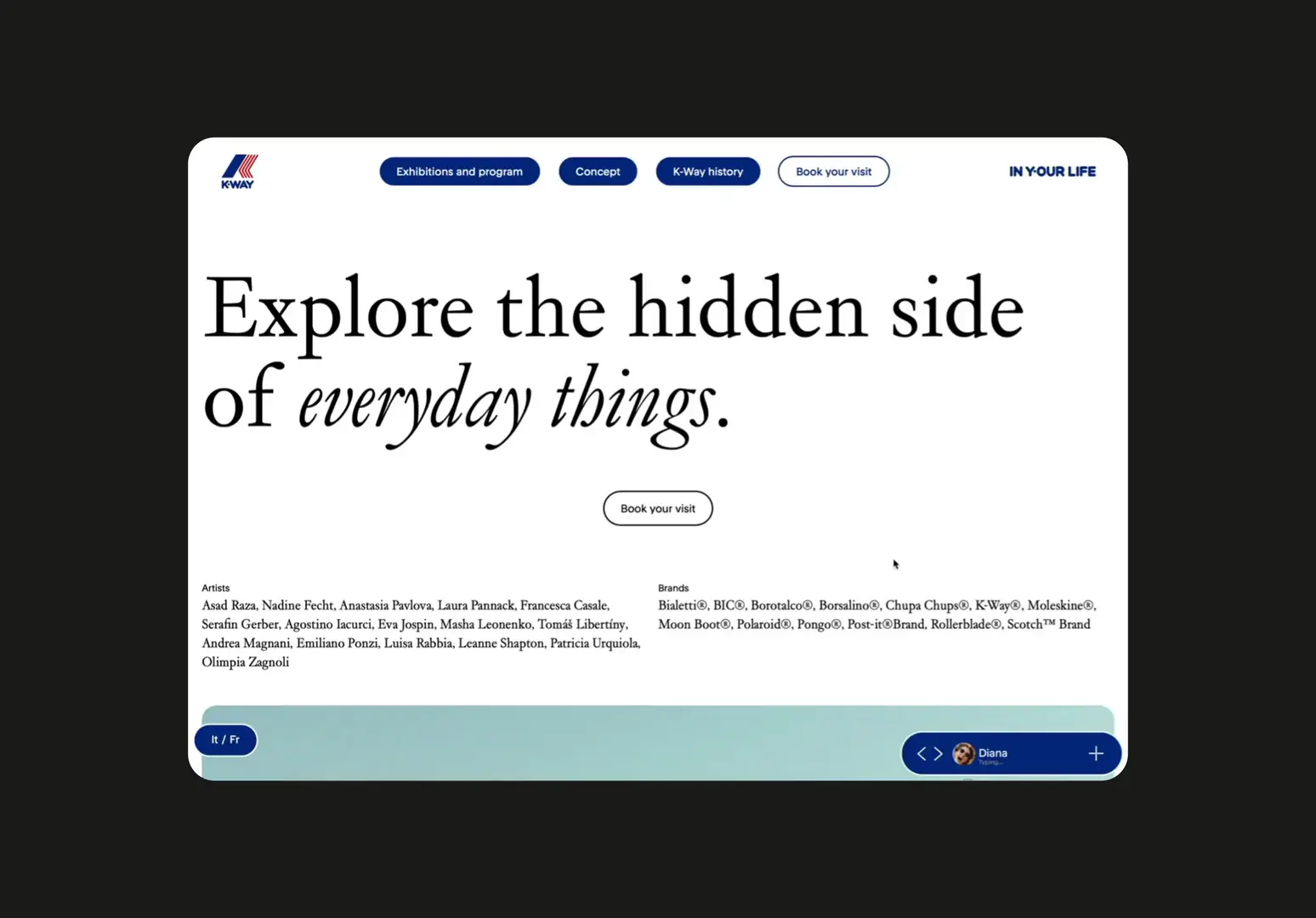
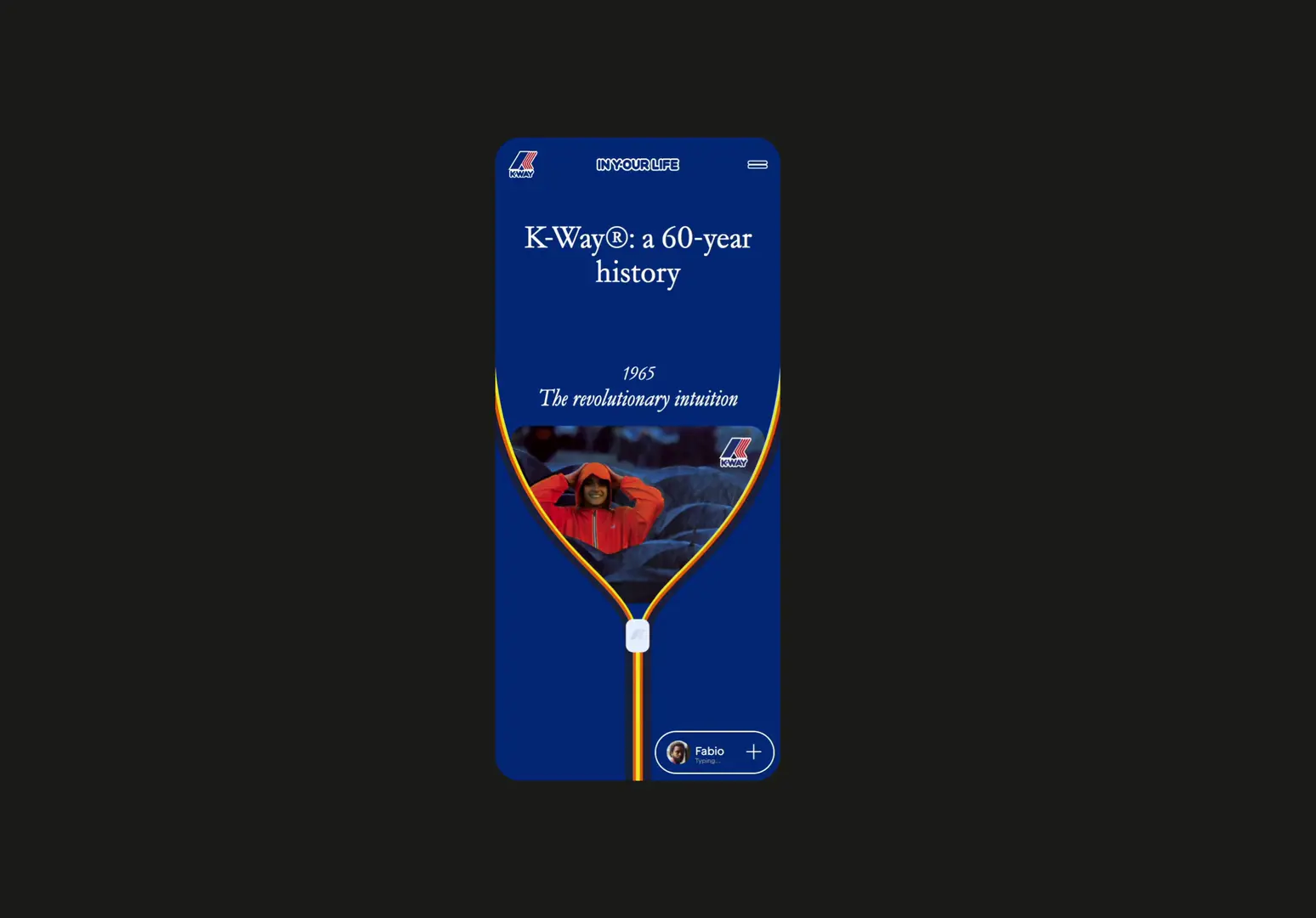
2.2.4What’s happening when brands move from producing objects to producing vocabulary? K-Way occupies this position historically: the name has become a generic term used to identify an entire category of garments. The 60th anniversary project In Y/Our Life used this condition as a starting point, exploring how brands enter collective language.
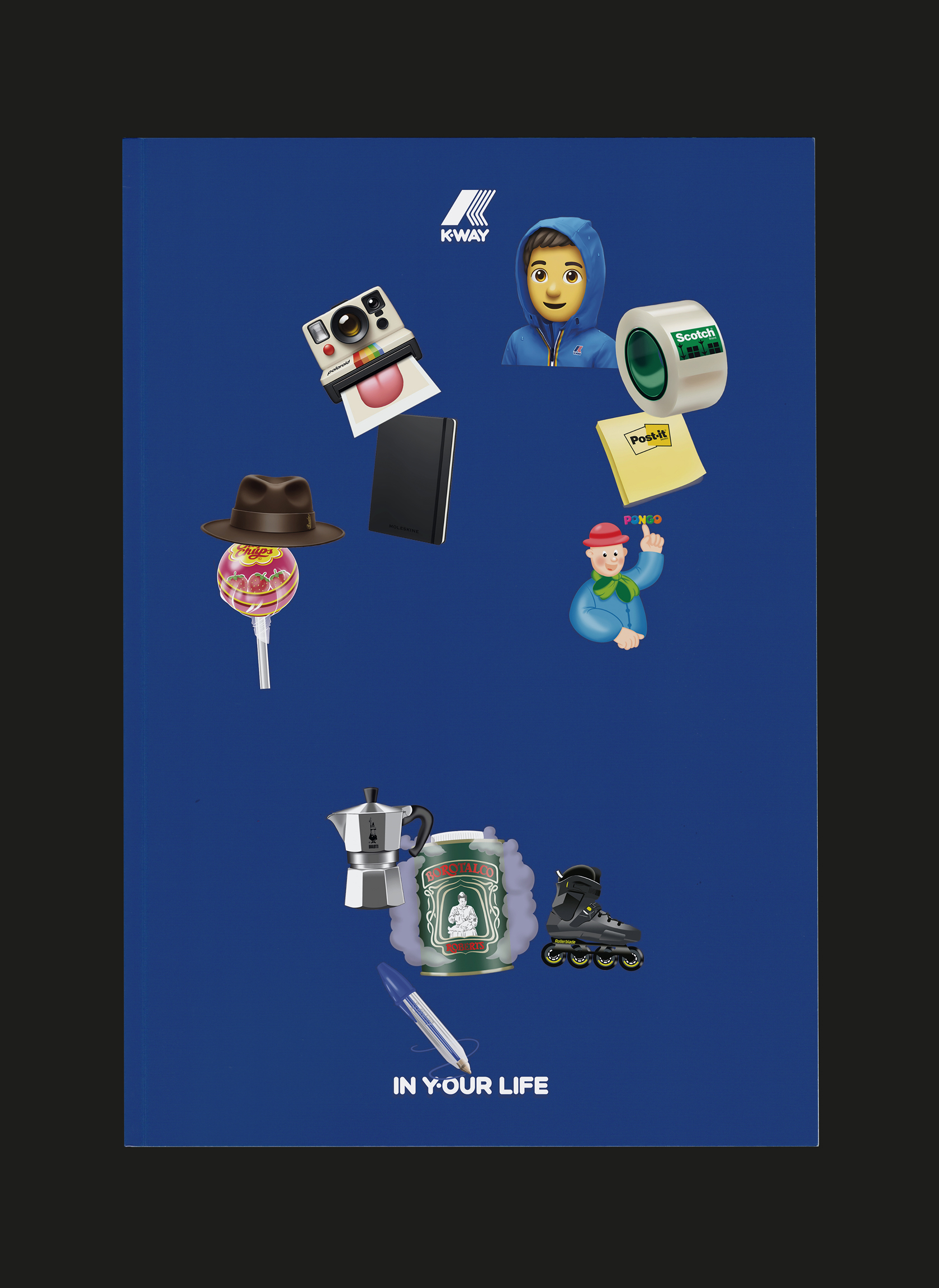
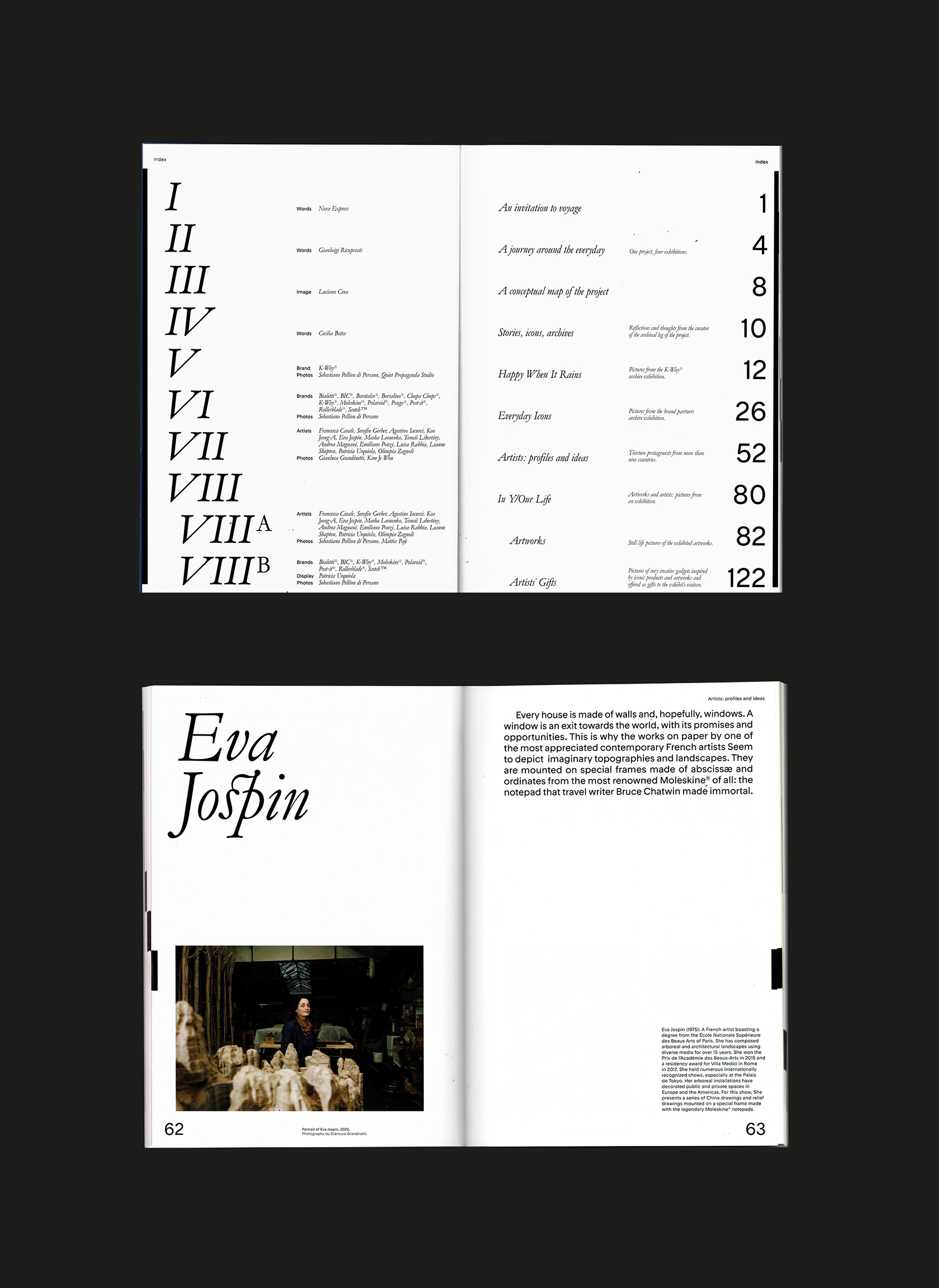
The communication system translated this idea into a visual grammar built around dictionary aesthetics, typographic dualities, and a series of illustrated stickers representing brands whose names have replaced their definitions – Bialetti®, BIC®, Borotalco®, Borsalino®, Chupa Chups®, Moleskine®, Moon Boot®, Polaroid®, Pongo®, Post-it®, Rollerblade®, and Scotch™.
Communication Becomes Structure
2.2.5When fashion engages with artistic production, communication stops being a layer and becomes an organizing principle. Projects involving artists, curators, or writers require editorial formats, spatial installations, digital interfaces, and graphic systems capable of operating as parts of a single narrative architecture. Across collaborations with Missoni, Aspesi, Marsèll, and K-Way, design functioned as the structure connecting heterogeneous outputs into one readable whole.

Digital Infrastructure for Emerging Brands
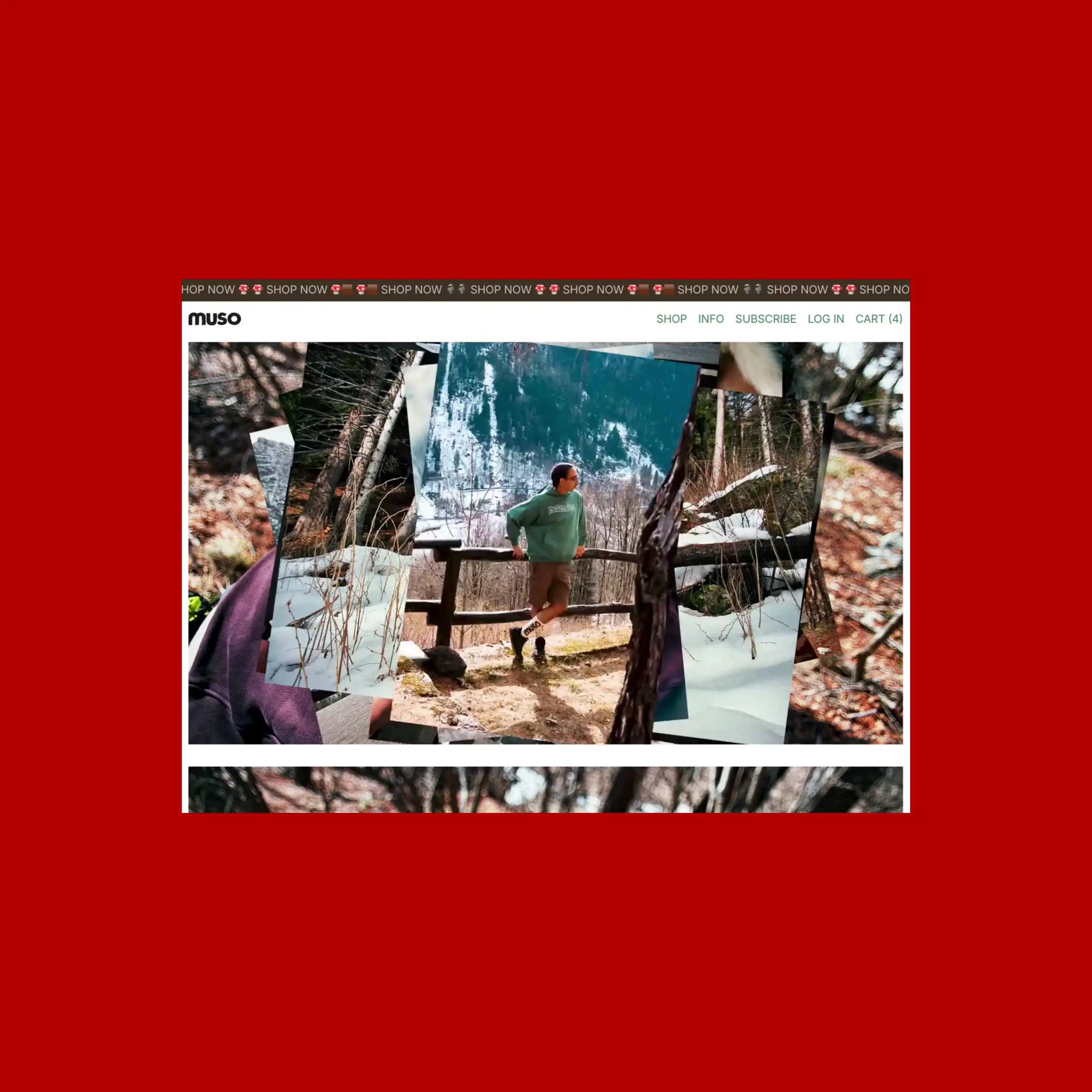
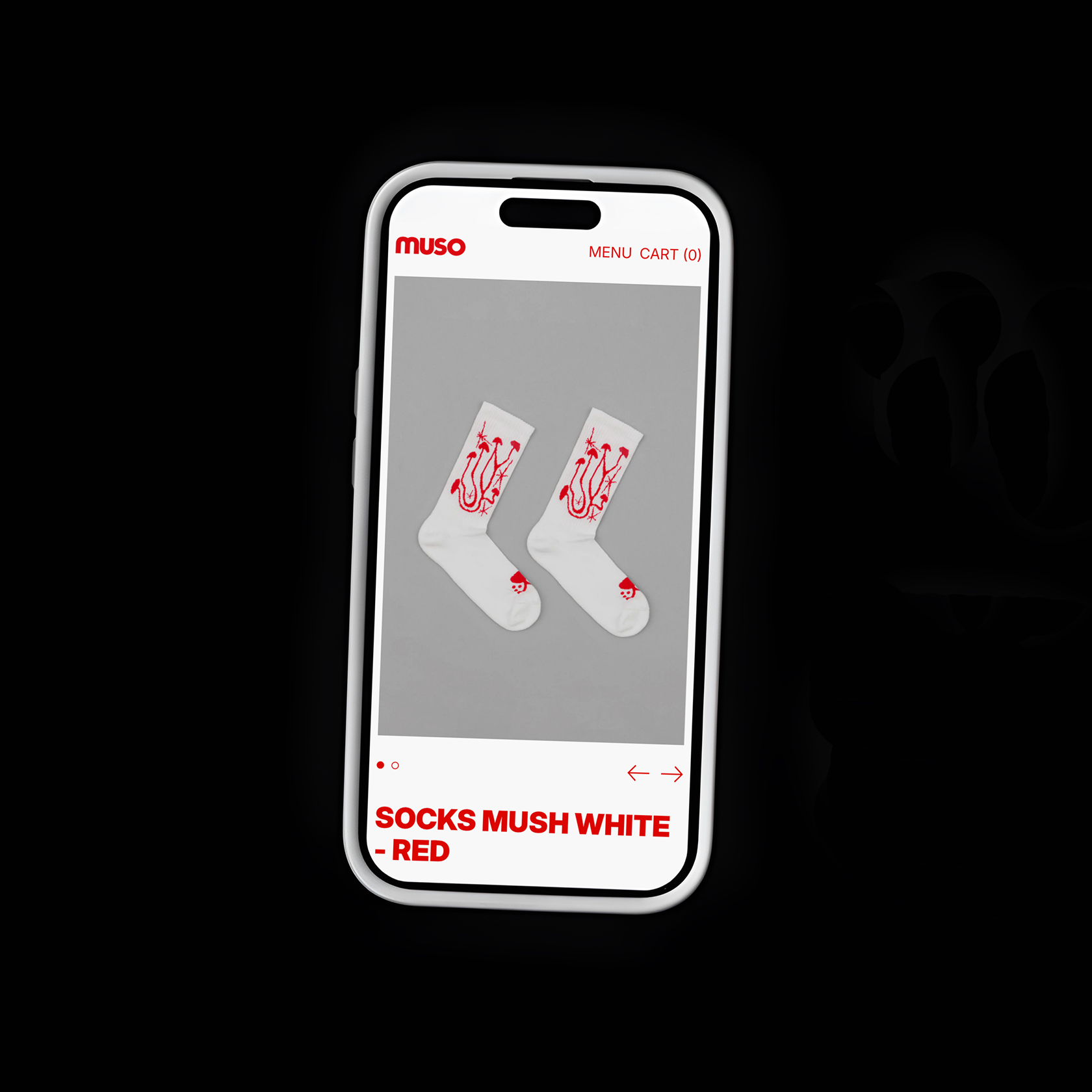
2.2.6Not every brand operates at an institutional scale. Younger projects often require a different kind of intervention: building the digital presence that allows a brand to appear clearly for the first time. For Muso, a clothing brand founded by Italian musician Frah Quintale, the priority was building an e-commerce capable of translating the brand’s visual language into a functional digital system.
If this case resonates with you: office@siliqoon.com
More Cases
2.3 On Cultural Organizations
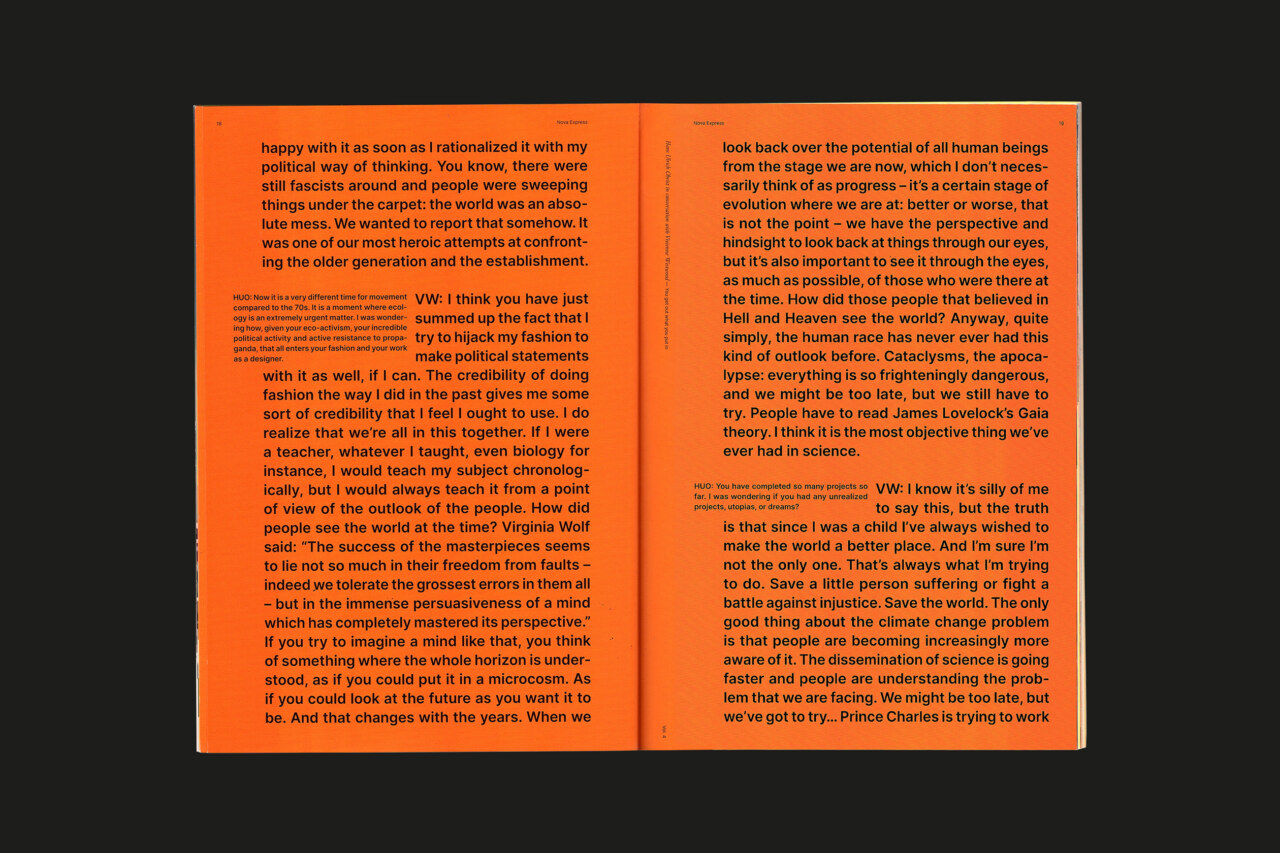
Open case Read caseDeveloping cultural infrastructures across institutions and independent organizations: Centre d’Art Contemporain Genève, Pinacoteca G.A. Levis Chiomonte, Arteco, Nova Express Magazine, Kabul Magazine, Barriera, Karussell, Treti Galaxie, Palazzo Irreale, Painters Painting Paintings.
2.1 On Art Galleries
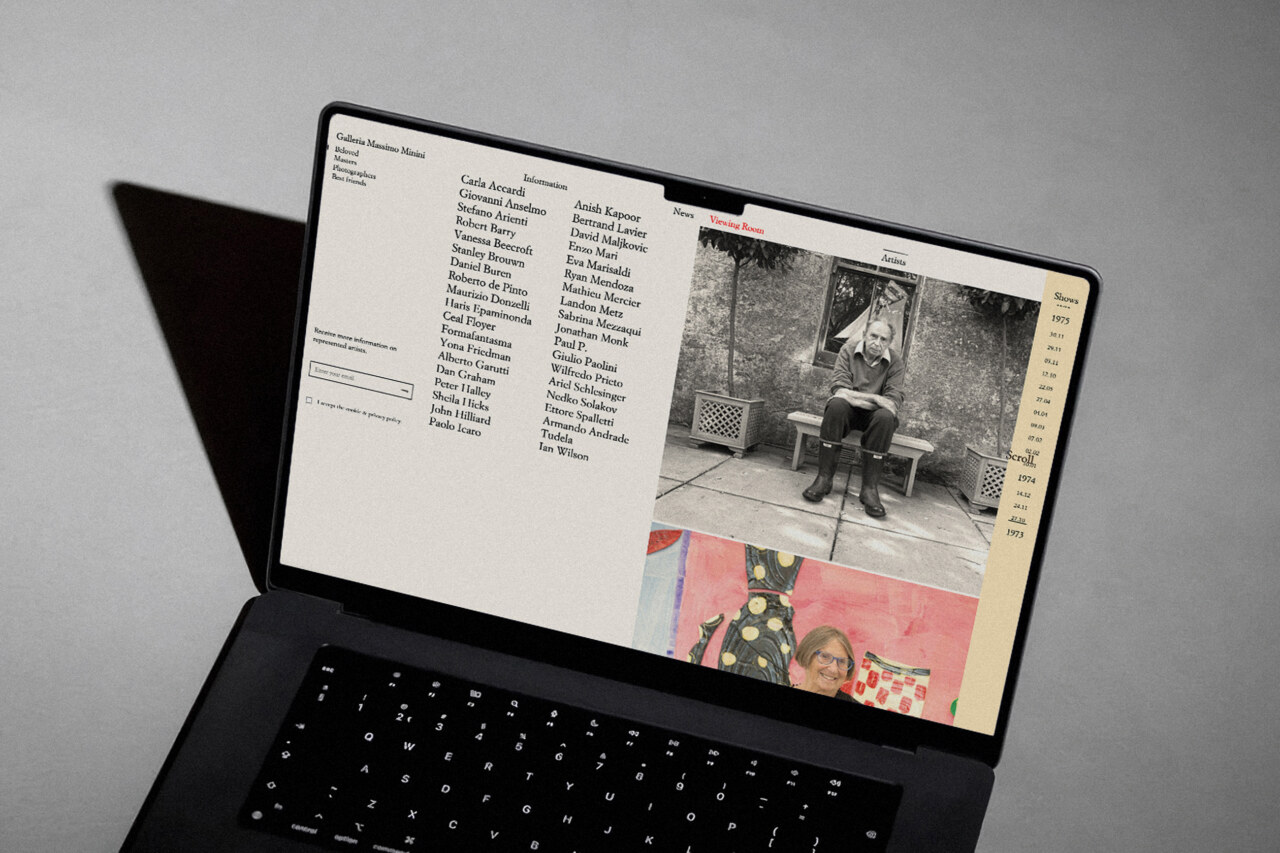
Open case Read caseA narrative across producing communication for art galleries, featuring: Secci, Clima, Galleria Massimo Minini, Francesca Minini, Renata Fabbri, Notte, The Ryder Projects.
2.4 On Artists
Open case Read caseDeveloping identities, platforms, and contexts around artistic practices: Paola Pivi, Julia Krahn, Sara Enrico, Riccardo Baruzzi, Tiziano Martini, Viola Leddi, Emilio Fantin, Grace Prince, Ramona Ponzini, Andrea Magnani, Variante Artistica, Altalena, Resign.