 Close

Before everything is decidedThe artist inside the company
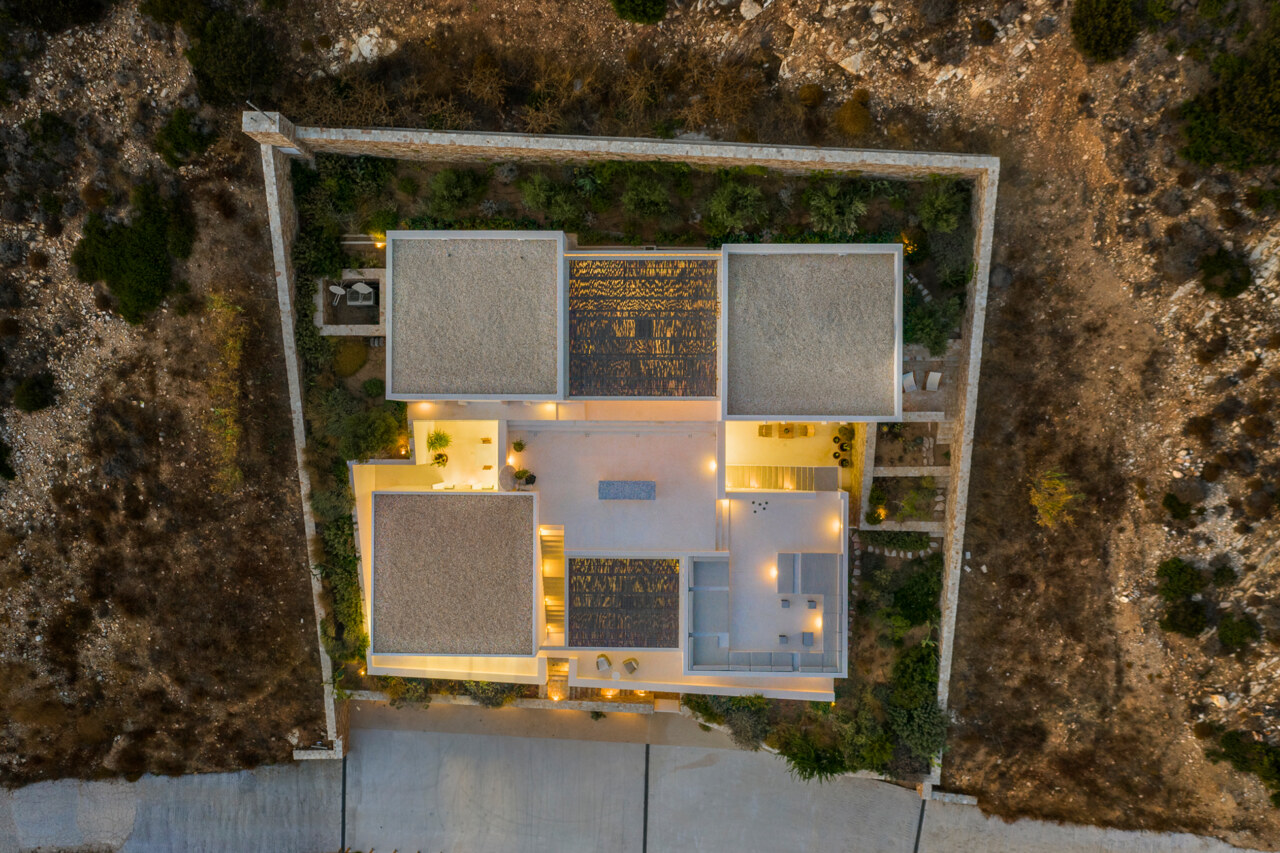
Yesterday I told the girls I’d go out for an early swim, before the sun came out to warm the rocks. I wanted to see if that landscape still held a version of myself that had since ceased to exist. Morning water is pale and reflects things back deflated. I step in slowly, feeling my body desaturate centimeter by centimeter, up to my neck. I swim back and forth for ten minutes, out to that raptor-like rock and back, and suddenly ALL EXPENSES COVERED comes back to me. The text I wrote for an exhibition with a vaguely prophetic title: vorrei non vederti oggi per vederti tutti gli altri giorni (I’d rather not see you today so I can see you all the other days).
And here I am, still on that sand, staring at the same wreck in the distance. As if the night between that sunset and today’s dawn had lasted twelve years. For a long time I told that story the wrong way. A fashion brand had invited us to develop a project. Technically, that was true. But that was never really the point. In fact, the project is probably the thing I remember least from those months. What I remember with almost embarrassing clarity is all the time we spent doing nothing. Long conversations over rice salad. Staring at that strip of coastline. And the strange feeling (still taking shape) that we’d been asked to do something nobody had quite defined.
Today I think what they were really commissioning was a set of conditions.
The absence of coordination, or any real form of authority, had slowly pushed us to generate a different setting. Not a product. Not a campaign. Not even a vague idea. They had simply moved us from one place to another and given us time. Back then I couldn’t see it. Now it seems obvious. The core of that commission was everything that happened before the “work.”
A conventional brief defines an outcome. Conditions define a setting. In the first case, somewhere, someone already knows (more or less clearly) what is to be created. In the second, nobody really knows. Not even the one paying for it.
It may sound new, but it’s actually a rather ancient form of patronage. For centuries, patrons didn’t buy finished works; they bought time, proximity, and possibilities. Renaissance ateliers functioned that way. So did many enlightened factories. People were simply given the conditions to work, and only afterward could one discover what those conditions had produced.
Perhaps the real issue is that we’ve forgotten what commissioning actually means.
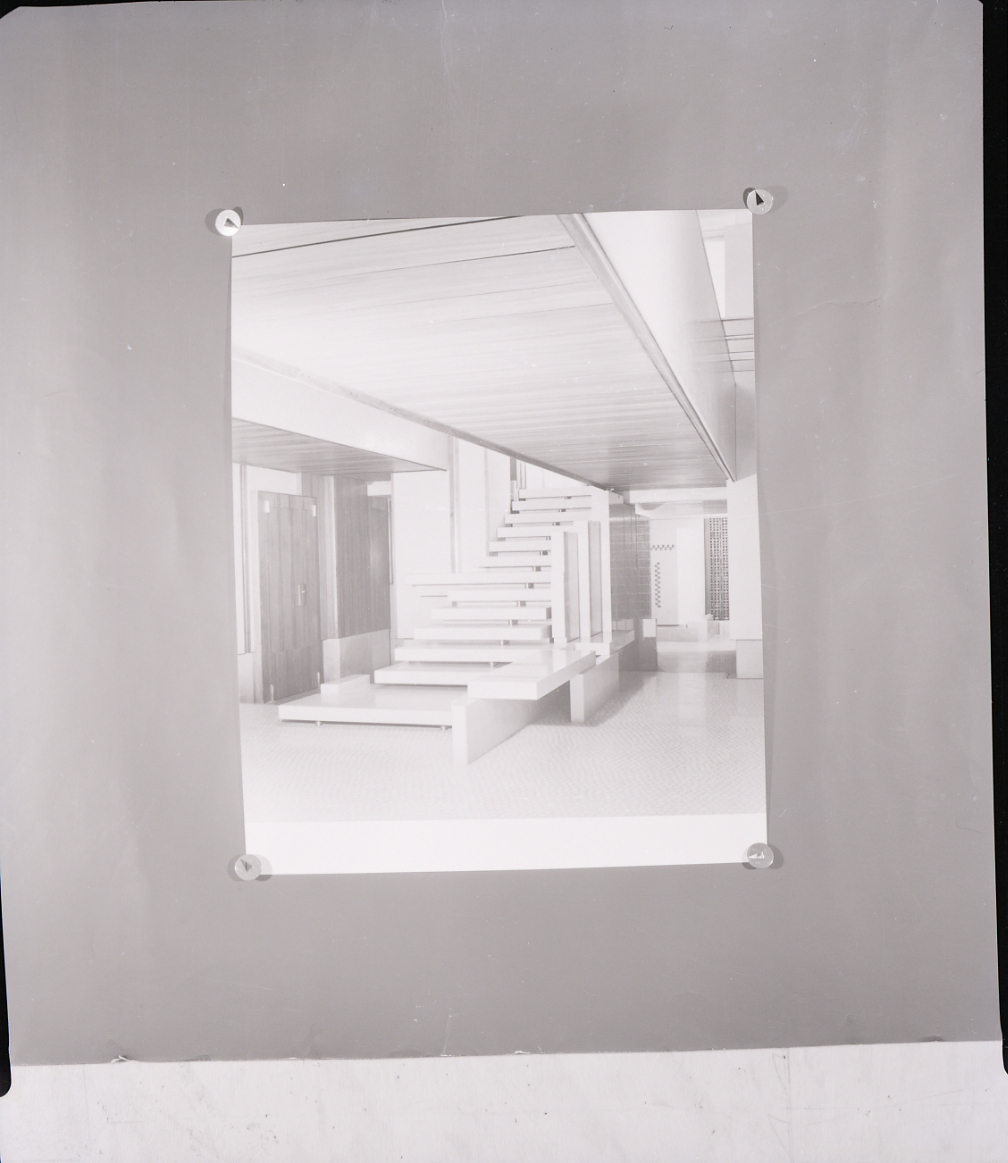
Over the past thirty years, the commissioning process has gradually turned into a sort of assembly line. An objective is defined. A brief is written. A supplier is selected. A result is delivered. Each step reduces the uncertainty of the previous one until, by the end of the process, everything becomes predictable: timelines, costs, language, impact, even audience response.
It’s no mystery why this has become the dominant model. We live in a defensive economy, driven by caution and full of fear. It demands results before it’s willing to take risks. And so uncertainty ceases to be a generative force and becomes merely a problem to be controlled as much as possible. We keep talking about innovation while, in practice, we’re mostly training ourselves to minimize damage. We want to change everything without giving up control, without relinquishing power, without truly shaking the deeper layers.

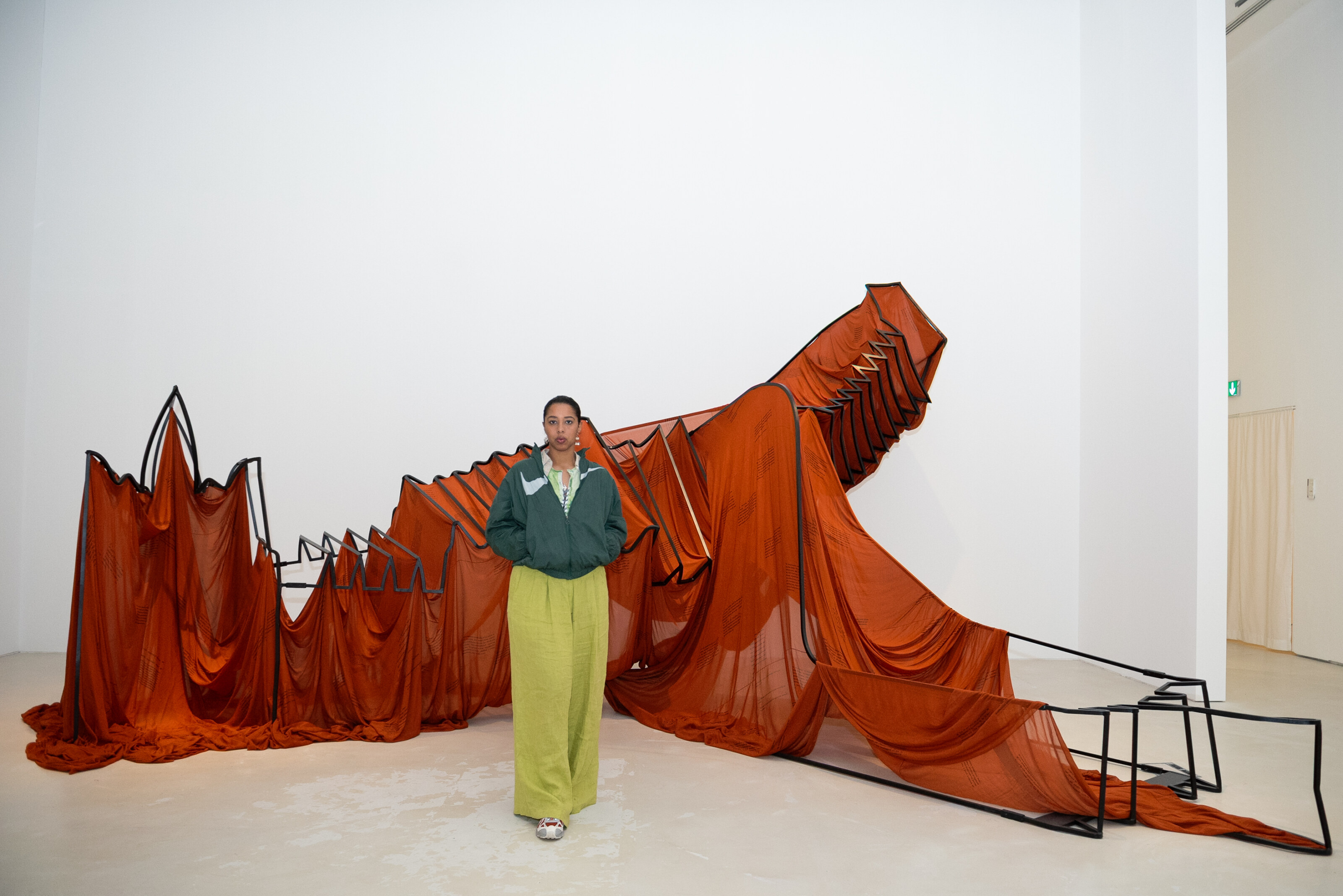
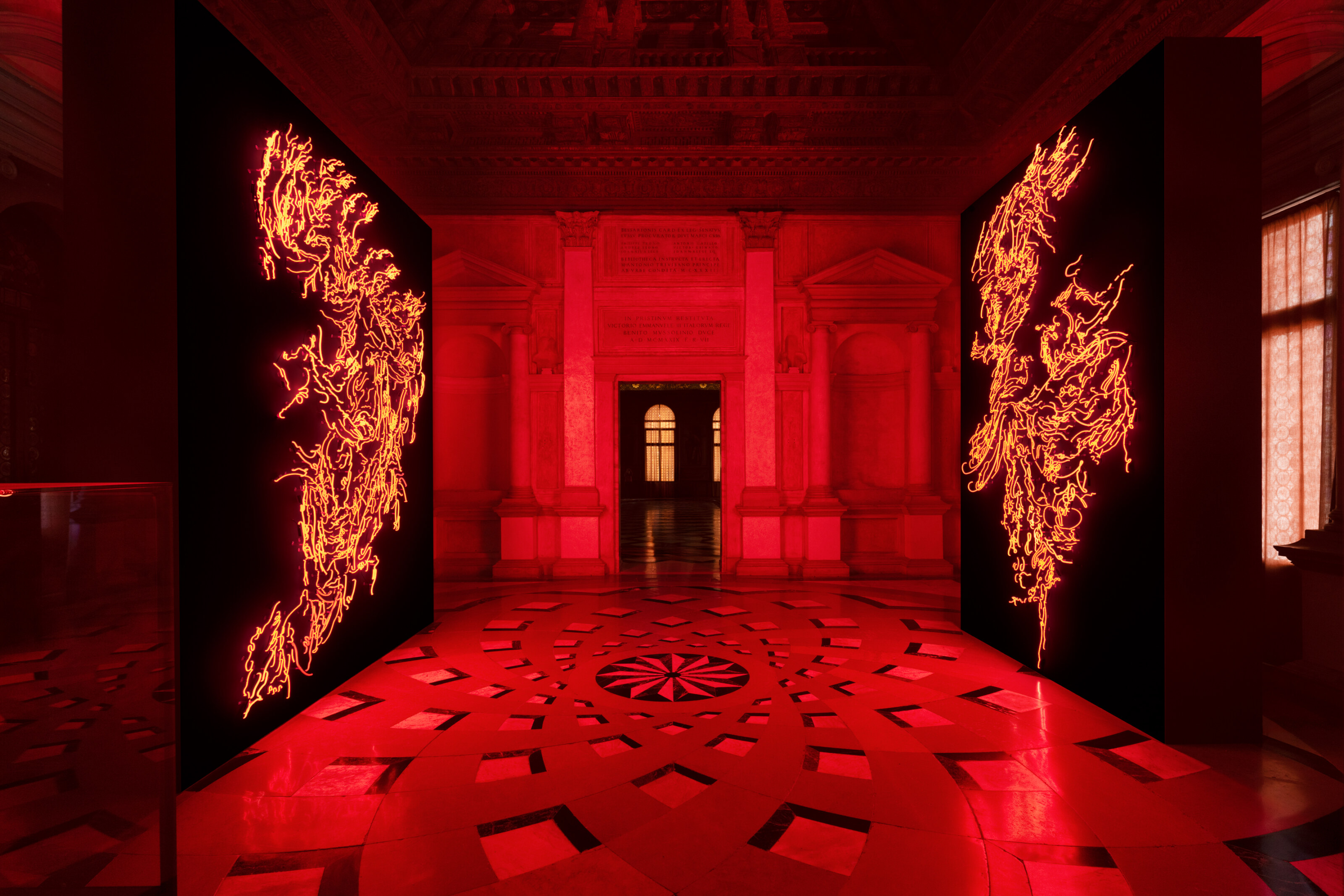
On those salty afternoons, by contrast, we had stopped waiting for something to happen. As if staying in one place long enough possessed the transmutative power to alter the very premises of an idea. To let chaos in.
But why, today, do artists almost always enter the scene when everything has already been decided?
They’re asked to produce a campaign, an exhibition design, a film, a show, a capsule collection, a performance. They’re asked to make memorable something that already exists.
In other words, they’re asked to decorate a decision that’s already been made.
It’s a model that works precisely because it doesn’t question a thing. The company continues making the same decisions; it simply runs them through more sophisticated frames. And here, for me, lies the misunderstanding at the heart of the contemporary relationship between art and business. We keep debating whether it’s right or wrong for brands to work with artists. It’s a legitimate question, but probably secondary. A different question should come first: at what point in the decision-making process should an artist be invited in?
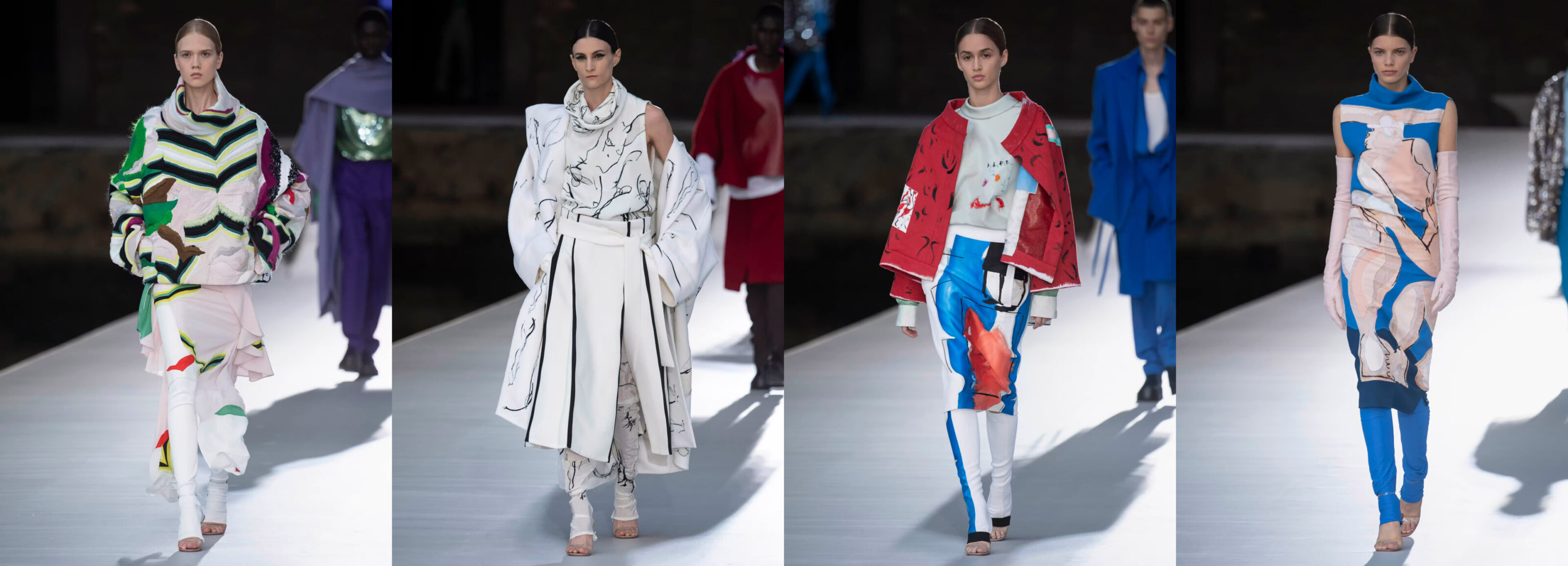
Because an artist’s value isn’t defined by the images they produce. Designers, photographers, filmmakers, and creative agencies already do that remarkably well. An artist becomes indispensable much earlier. Their real work is to challenge the premises: to ask whether the problem itself has been framed correctly. They’re trained to deviate, to generate possibilities, not to choose among those already available.
If artists are only invited in at the end of the process, that expertise becomes completely useless. Which may explain why so many collaborations between brands and the art world end up looking alike: no surprises, just more bling bling.
But it would be too easy to place all the responsibility on brands. The art world itself has gradually internalized this role, often mistaking collaboration for decoration. It’s a comfortable position, but rarely the one where an artist’s contribution becomes truly necessary.
And yet, if we look back at some of the most compelling cases of the twentieth century, a different pattern almost always emerges. The collaborations that stand the test of time are not the ones where an artist merely lends their imagery to a company. They’re the ones where artists were invited in early enough to reshape how that company thought about itself.
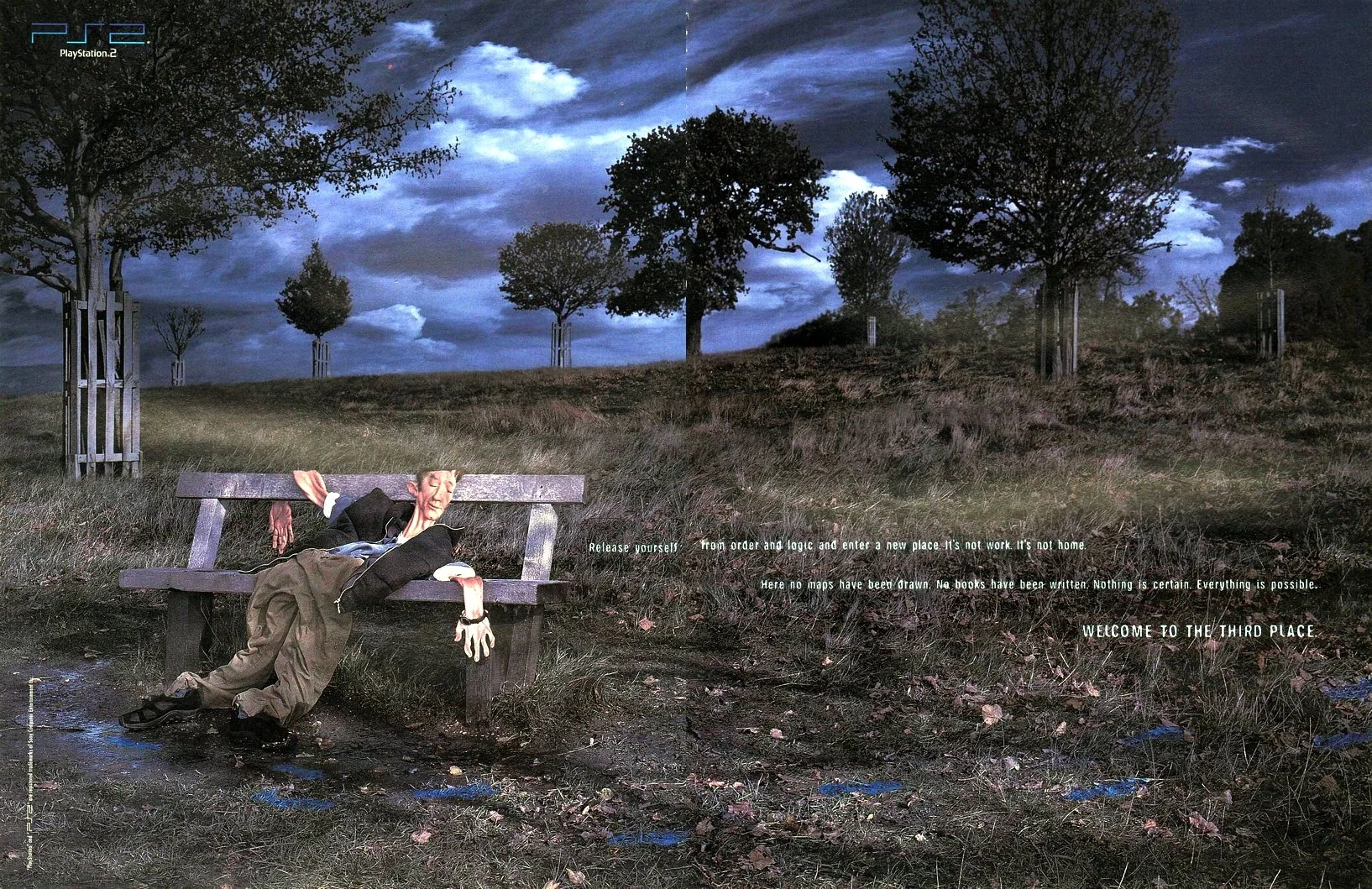
Perhaps that’s also why we continue to talk about Olivetti as an exception. Not because it commissioned better work than others, but because it understood that value begins long before the final work is created. It begins by allowing designers, artists, writers, or architects to knead the company’s culture long before its representation takes shape. Another example along these lines is The Third Place, the advertising campaign David Lynch created in 2000 for PlayStation 2, where the American director seems to delve deep into the brand’s unconscious.
The same holds, in very different eras, for many of the companies we now consider culturally significant. Not because they invested more money in art, but because they began treating culture not as a communications department, but as a genuine decision-making infrastructure capable of steering innovation itself.
We keep inviting artists into the wrong rooms. We give them the openings, the campaigns, the product launches, the design weeks. But almost never the meetings where it’s actually decided what a company will become five years from now. And yet that’s precisely where their presence would generate the most friction. Perhaps we don’t need more art inside companies. We need artistic practices to start inhabiting the places where decisions are made.
I stay seated on the towel for a few more minutes, waiting for the sun to fully emerge. Maybe I’m just telling myself this story because I need those months to make sense. I wonder if there’s such a thing as a reverse Rayon Vert.
My gaze, lost in a gradient from pink to blue, lingers once more on the wreck. We’ve both been here for twelve years. Separated by a mirror of water standing in for the sky.
I’ll be heading home soon. The sand beneath my feet is already dry.
Related Cases
2.2 On Fashion Brands
Open case Read caseDeveloping cultural and creative systems within fashion brands: Missoni, Aspesi, Marsèll, K-Way, Muso.
2.3 On Cultural Organizations
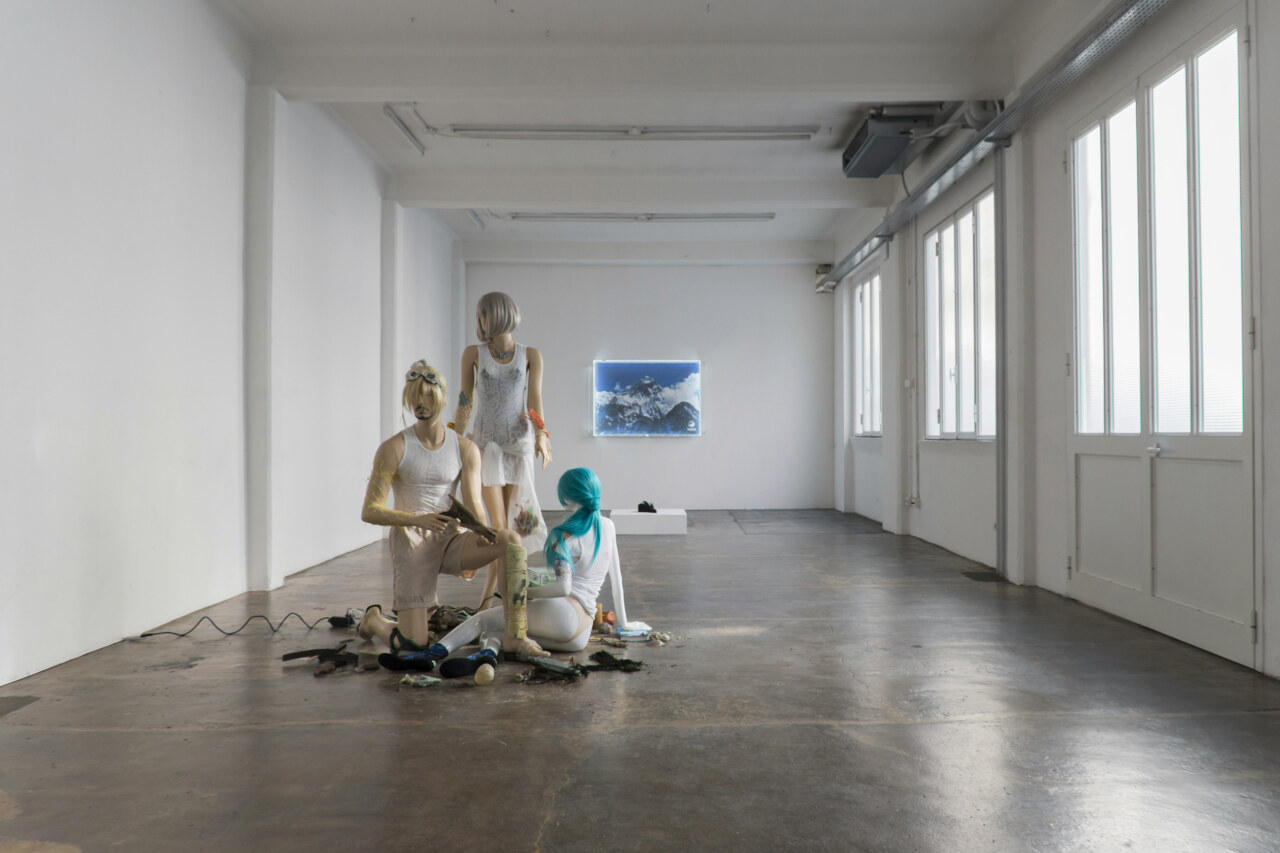
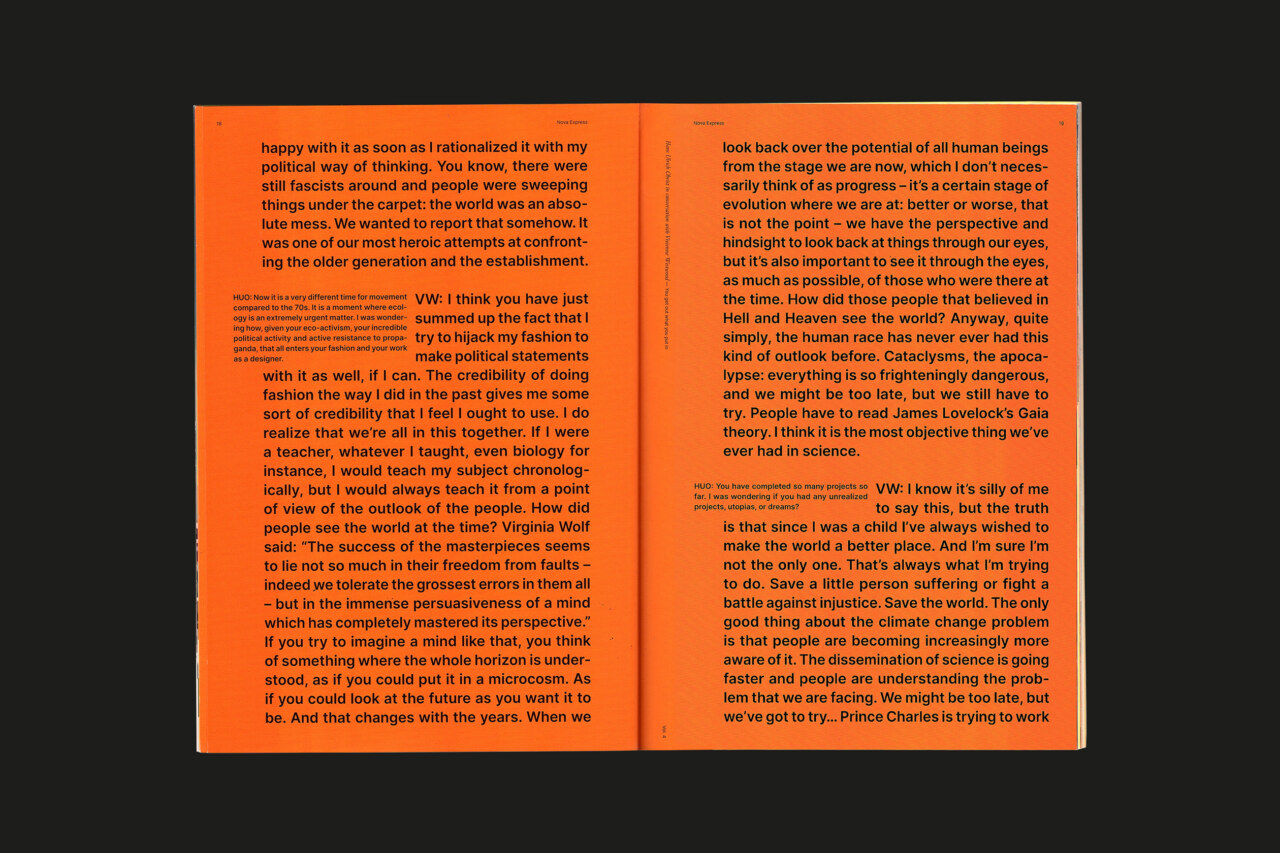
Open case Read caseDeveloping cultural infrastructures across institutions and independent organizations: Centre d’Art Contemporain Genève, Pinacoteca G.A. Levis Chiomonte, Arteco, Nova Express Magazine, Kabul Magazine, Barriera, Karussell, Treti Galaxie, Palazzo Irreale, Painters Painting Paintings.
2.5 On Businesses
Open case Read caseBringing artistic value into business structures: Simplify, Oliaros, Jar, Vespignano.