 Close
SlowfoamPanpsychic Listening
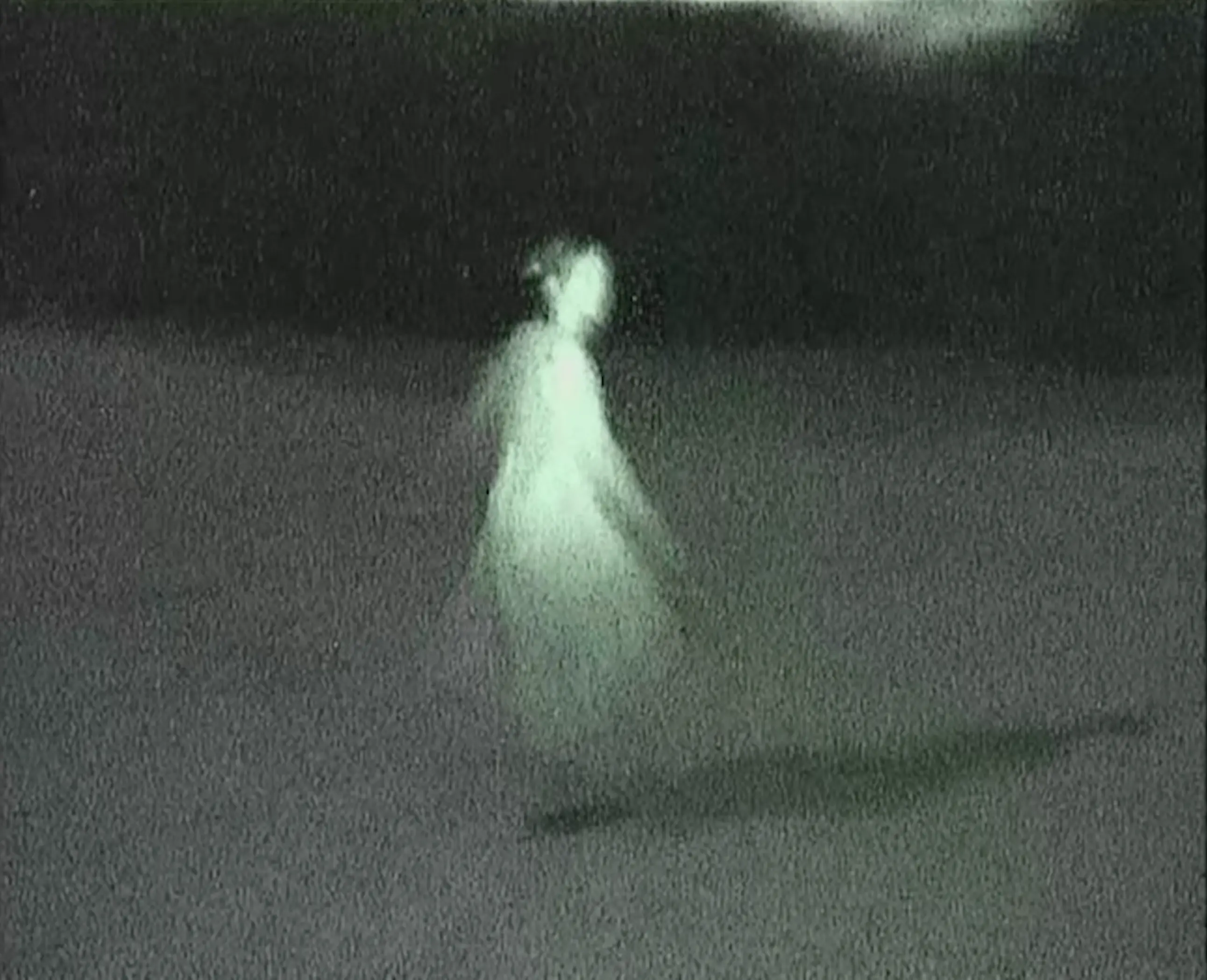
Madelyn Byrd (they/them) aka slowfoam is a sonic weaver, post-genre FLINTA* label Gravity Pleasure co-founder, and transversal educator based in Marseille. With a background in Neuroaesthetics, they move between creative mentorship and ecopoetic exploration. By embracing an ecotransfeminist take on what being creative and rhizomatic might imply, the artist offers alternatives where the music field falls short. Their work seems to arise directly from otherworldly expeditions. There is a way to inhabit imagination that reaches far and intimately close at the same time. Slowfoam’s work seems to emerge from this paradox: pond-like yet oceanic, their sonic tapestries hold both profound stillness and restless movement – as if you were caressing moss slowly for hours while also travelling beyond the speed of sound towards a cosmic womb. With an upcoming album-memoir due in September 2026 on Somewhere Press, their current curiosities span electromagnetic frequencies, volcanic encounters and performances queering theories of consciousness. Rooted in a plurality of bodies, slowfoam’s kinetics keep expanding, tuning into ecological aliveness and erotics by coupling field research with somatics.
Chiara Pitrola: Is there a more-than-human entity and a sensory tool, real or imaginary, that you feel particularly drawn to right now?
Slowfoam: Panpsychism 🙂 For the past couple of years, I’ve been researching and creating with my dear friend and collaborator, Lou Croff Blake, around this theory of consciousness. Basically, panpsychism asserts that everything, from atoms to animals, possesses some form of mind or mind-like quality. It overlaps with animism and many indigenous views of consciousness, giving autonomy and respect to everything around us: non-human realities, rocks and geologies, bodies of water, Earth. As an alternative to hard materialism, it even had a recent resurgence as a viable theory in fields of neuroscience and quantum physics.
CP: And what fascinates you most about panpsychism?
S: With Lou, we playfully integrate it into aspects of queerness, monstering, and chimerizing to transform our relationship with ourselves, each other, and the world around us. Panpsychism stretches our imaginations to ponder how sensing and perceiving might feel without any known sense at all. How does a rock sense its existence? How does it perceive erosion and time? Where and when do the lines between it and its greater geological context begin and end? When did it stop becoming a mountain, a volcano, or liquid magma moving below the surface of the Earth? How can we apply these alternative forms of knowing and being to our own?
CP: Tell me about your current sensory and aesthetic references. How do they feed into, or interfere with, the sonic tapestries you’re currently working on?
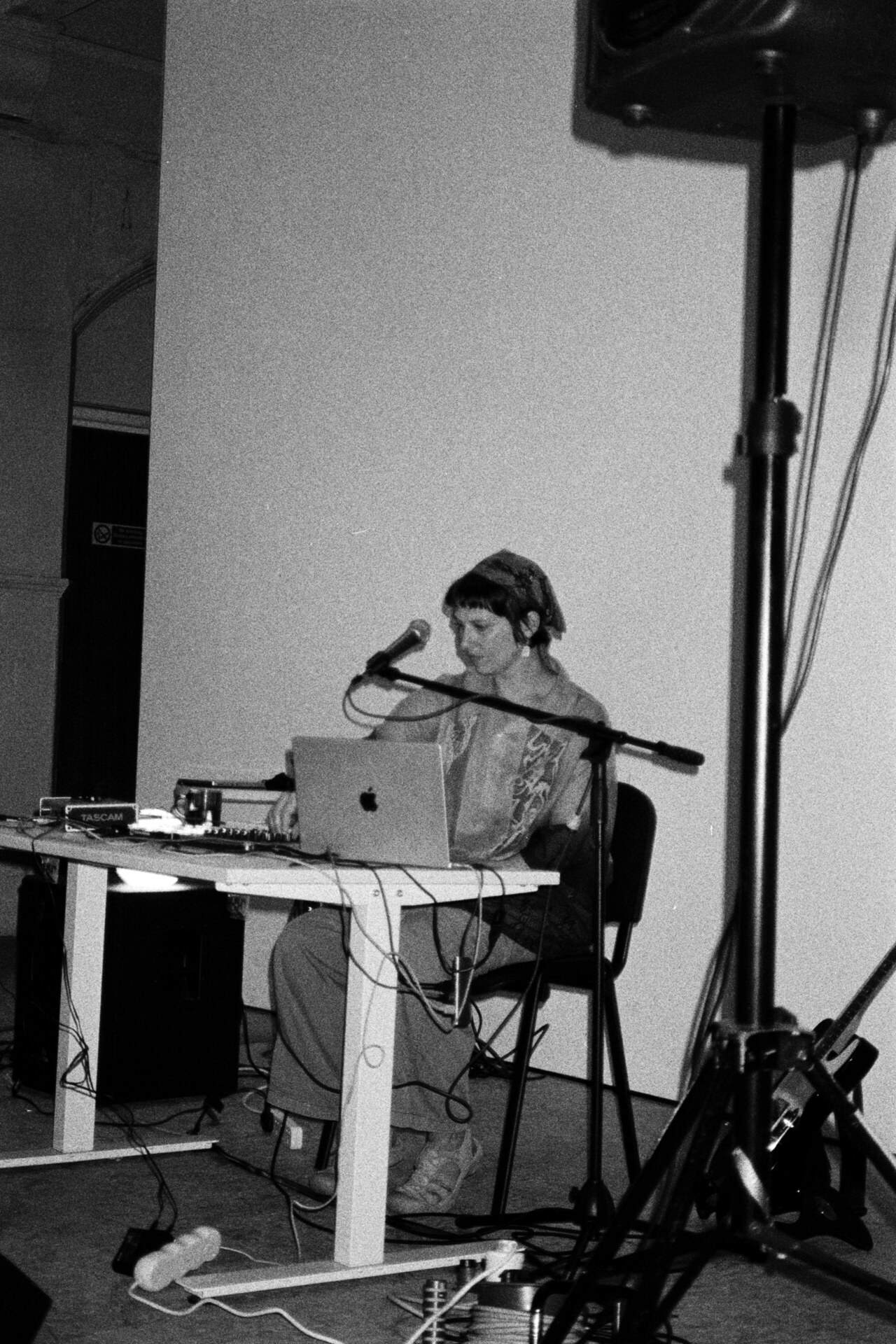
S: Lately I’ve been drawn to electromagnetic frequencies and air. I’m working on two different but interconnecting projects that explore and sonify each as invisible forces that might connect, infiltrate, and estrange bodies and landscapes.
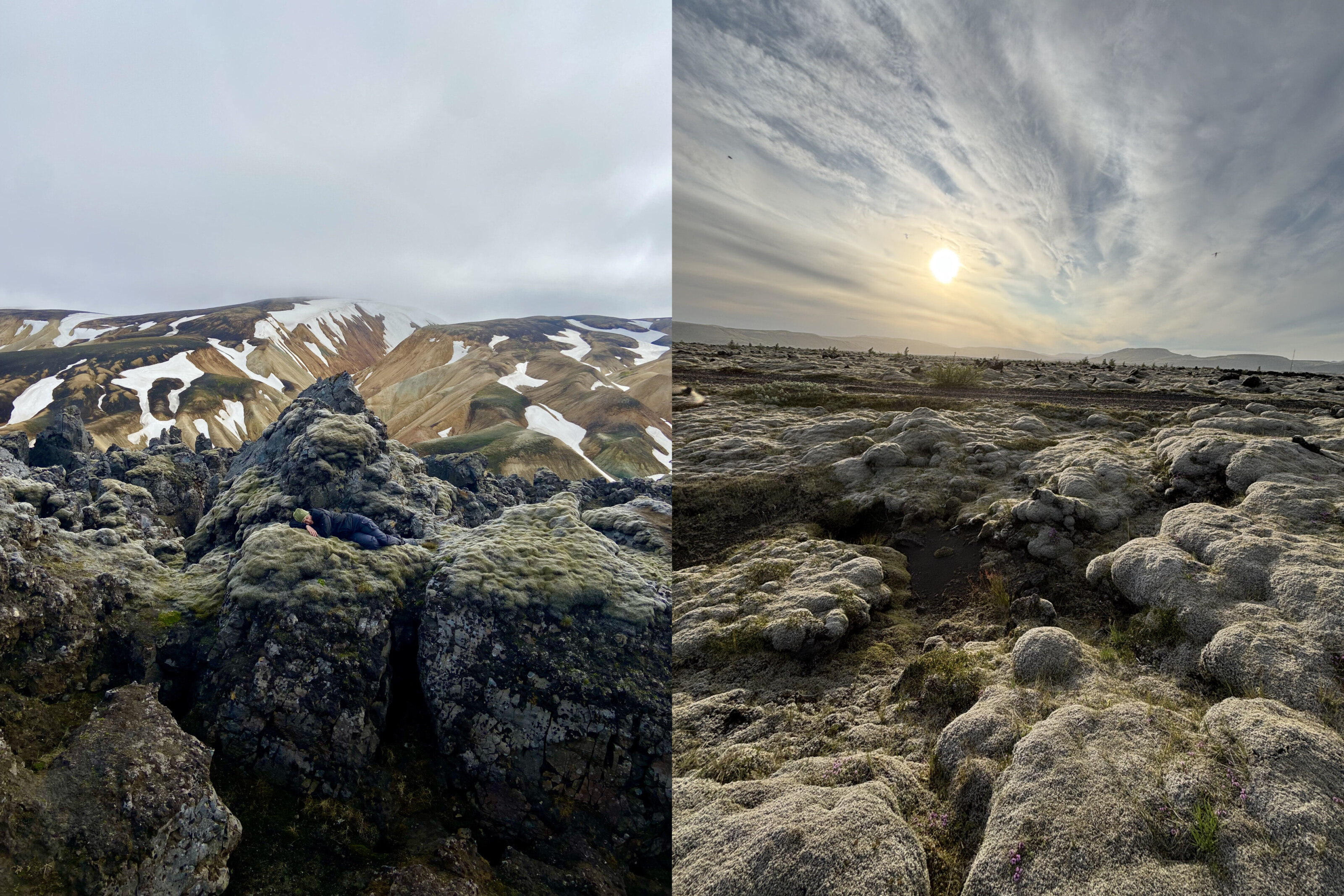
Electromagnetic frequencies are (often) anthropogenic waves (e.g. radio waves, microwaves, infrared, visible light, ultraviolet, X-rays, gamma rays, etc.) that pervade our cities and environments, even in the most remote places. I spent three weeks in Iceland’s highlands, fjords, and lava fields recording the power lines that carve through otherwise human-less landscapes using EM microphones, which convert electromagnetic waves into electrical signals so that we can perceive them.
The signals are noisy, droney, and dominate our full auditory spectrum – rumbling belly lows to excruciatingly shrill highs.
Like many things that seep from humanity, EMF are harmful, and exposure causes various environmental health issues. EMF from power lines can severely impact non-human realities, including effects on pollinators like honeybees, potentially disrupting ecosystems.
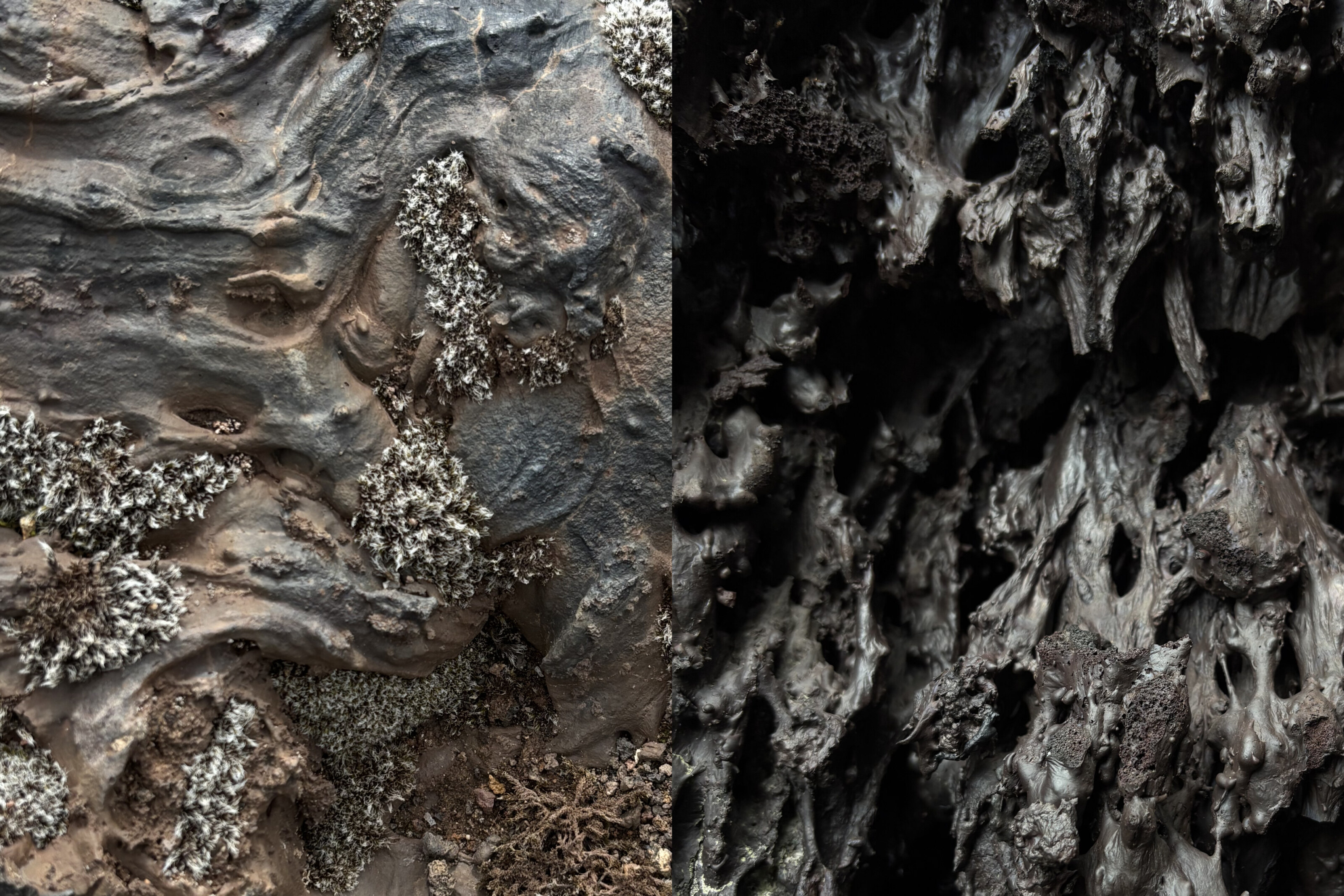
Additionally, I’ve been interested in the sonics and aesthetics of air – through air vents, breath and voice of humans and non-humans, the atmosphere, etc. I’m researching air as an elemental indicator of health and wellbeing (similar to how frogs are indicator species whose population health can convey the health of the surrounding ecosystem), air can pattern health and wellbeing across individual, social, and planetary scales. The health of our lungs is connected to the air we breathe, and the environmental impacts of how we treat and care for global air systems impact all beings who depend on carbon dioxide and oxygen exchanges. I’ve been beginning to research and record how air moves through bodies, the built environment, and the atmosphere. I’m interested in sounds that signal relationships of air flow and air hygiene, and particularly when air becomes trapped (for example, in plastic vessels, air conditioners, enclosed spaces, lungs, silenced voices).
CP: Do you bring projects to life to discover something, or to build something you’ve already imagined?
S: Both 🙂 But I tend to let imagination lead the discovery process. I often start with a semi-formed concept that begins in the imaginary. As it moves into reality and begins to take shape, it often transforms into something I couldn’t have initially imagined ~ something entirely new that seems to insist on being discovered.
CP: If you could collaborate with one ecosystem, which one would it be?
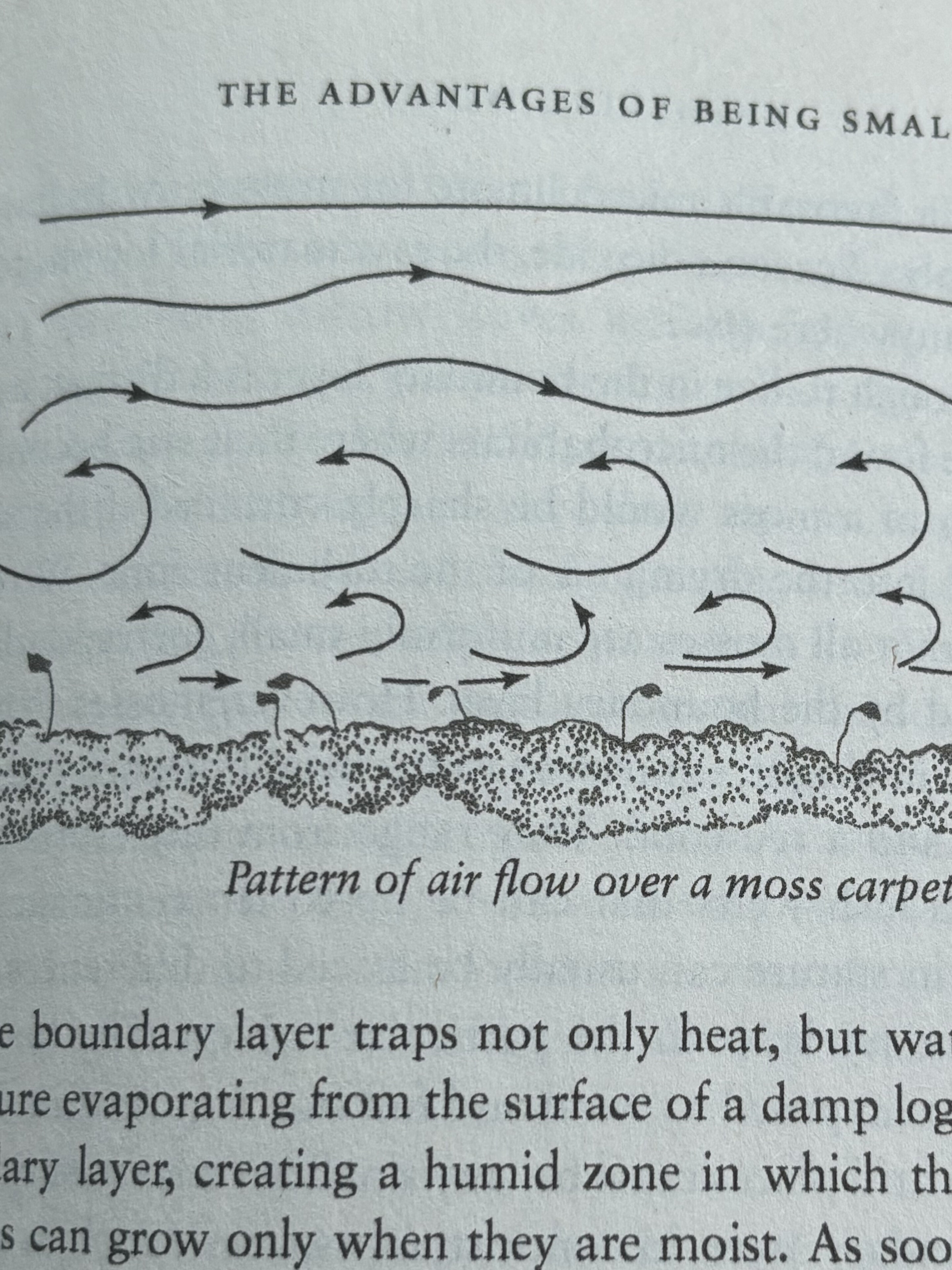
S: Ooooh it’s tricky… but I think because I’ve just come back from this trip to Iceland, I’m drawn to volcanic and geothermal systems and would collaborate with lava fields. There’s something very raw, sensual, erotic, psychedelic, and metal about the way that lava erupts and shapes the world. In contrast, it transforms into something incredibly soft and adaptable as delicate grey-green lichen and moss cover the sharp edges of the volcanic rocks, reshaping them into lumpy, round blobs. Very quickly, Iceland moss hosts a world of little bugs and insects and microorganisms.
Personally, I feel very kindred with these landscapes ~ the razor-sharp intensity of the lava rocks, over time, is padded by very soft, squishy moss. A tender contrast.
CP: As a human, is there something you’ve learned about pleasure or boredom from more-than-human beings that has found its way into your creative process.
S: To loop back to lessons from rocks (🪨✨), I think we can learn a lot from the stoicism of geological time. In the patience of geological time, interactions with wind, water, weather, and creatures teach that we are inevitably and inextricably shaped by our surroundings. It may be a bit of boredom, but also a relinquishing of control.
You will always become yourself in-relation,
even if you passively sit still and let the world shape you.
Weaving this into my creative process, I try to engage with the people, sounds, and machines as equal collaborators in the process ~ together we can co-shape and co-become in the process of making. And often, it’s best to sit back and listen.
CP: Your sound weaves together electroacoustics, vocals, and field recordings. Is there a ritual you always perform when doing field research?
S: I engage with many rituals of listening and somatic awareness. Sometimes I’ll sit with my eyes closed for a while before making a sound. Sometimes I do breathing and singing exercises while stretching. Sometimes I go for a walk or take a hot shower ~ whatever I can do to calm and present myself so I can be mindful of the different elements at play and how they feel in my body.
CP: Is there a place, an entity, or a smell that has taught you to listen differently?
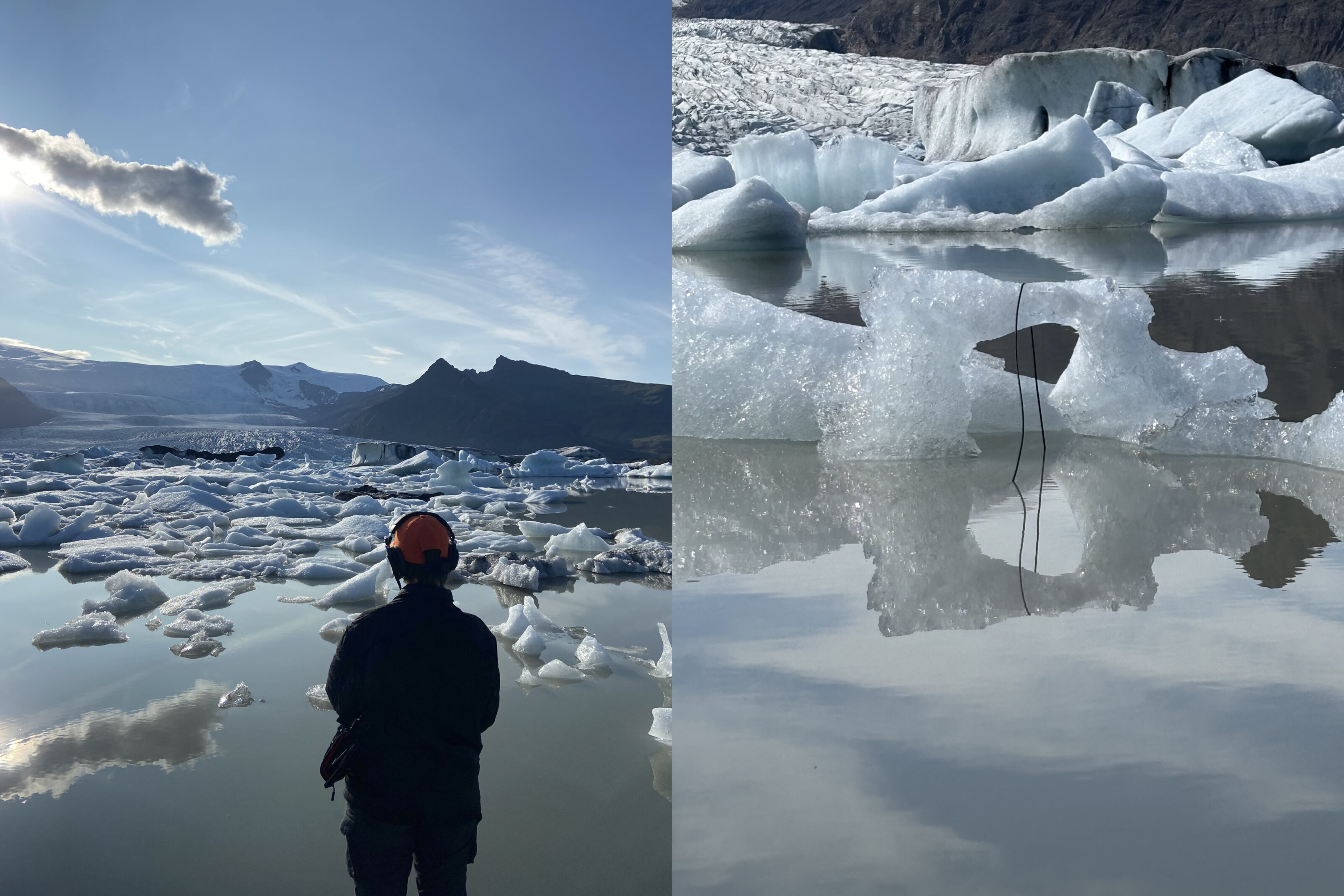
S: Oh yes, so many. My partner and friends, the nuanced white noise of the sea, the quietude and chirpings heard from the porch of Villa Rosa in Loco, Switzerland, ice growlers melting in a glacial lagoon, the traffic outside my old flat in Berlin, a pot of slow boiling water, the smell of creosote after a monsoon in Arizona, the hum of air vents and cicadas in Kyoto, all of the artists and theorists who have shaped me (notably Pauline Oliveros, Éliane Radigue, Brandon LaBelle, and Salomé Voegelin).
CP: As a hydrofeminist, how do somatics inform your work, and how do they intertwine with your sonic experimentation?
S: Somatics ~ or let’s say, the poetics, movements, and systems of the body ~ have become an island of solace I can always return to. I’m in a big moment of retraining myself to listen to and trust my body’s wisdom as being equal to (and more ancient) than what I perceive as logic and rationality. When I listen, I find my body is telling me/us to radically change the way we move through life and shift the way we connect and care. Many of us are stressed, depressed, medicated, burnt out — our bodies are sites of extraction, repression, isolation. Through hydrofeminism, water systems show us how to flow and connect within a greater system that goes beyond ourselves, beyond individualism, and both within and beyond the harms of capitalism, climate change, etc. There are a lot of terrifying things happening in the world, and I know so many of us are feeling it. I genuinely believe our bodies are entry points for incredible forms of transformation if we are willing to listen and move with them.
CP: Your upcoming album Night Rider is coming out now. What surprised you when you started to see the album take on a more permanent form?
S: Ohhh this album was such a ride! It’s extremely personal and tender ~ I made it for and with my 17-year-old self. I’m 34, so that was 17 years ago! It felt like a good moment to return to the reasons I started making music in the first place: as a way to protect and heal myself while enduring trauma, tumult, and the angst-y mundane of suburbia in Arizona overlayed with wild west fantasy. I had a pretty strong vision of what the album would be, but of course, it morphed into something quite different and all the more beautiful. Something needed to come through, and I had to step aside and let my younger self into the process, which meant making some creative decisions that were a bit surprising. Making this felt like climbing a big mountain to get into the next valley of my life, and I’m glad I did it, but I’m also happy to be on the other side and looking forward to sharing it.
CP: You’ve described Night Rider as an auto-ethnographic exploration of home and displacement. You recently relocated to Marseille, how is this new home inspiring you differently?
S: I just moved in May, so I’m still adjusting, but I’m very happy to be by the sea and loving the music community in Marseille. The surrounding nature is also very beautiful, and I’m looking forward to spending more time getting to know it. I’m still learning French, and I’m curious to see how that changes the way I think and communicate (for now, it’s just very slow) but in time I think it will also be a point of expansion.
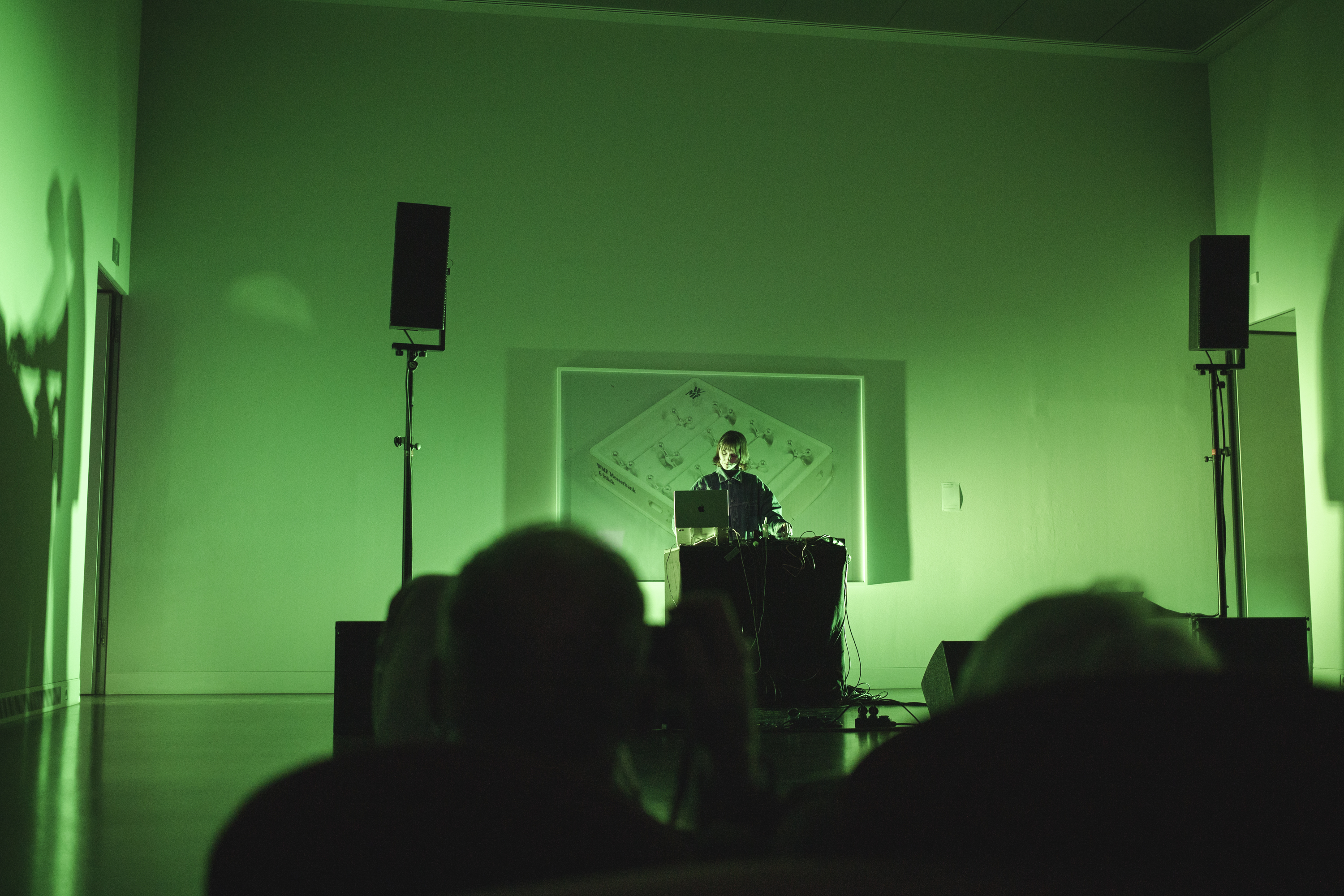
CP: You co-founded the independent FLINTA* label Gravity Pleasure with Slyn. Are there any upcoming releases, projects, or events you’d like to share with us?
S: We have a few exciting releases in various stages, but nothing we can share yet 😉 I can share that we’re co-curating a music festival in Berlin on September 12 called Liquiforms alongside forms of minutiae and with additional support from Zabriskie Buchladen, Mappa, and Musicboard Berlin. It will run for 12-hours with concerts, a workshop, films, a pop-up shop, and installations all exploring hydrofeminism and hydro-acoustics. We are also excited to start the process of curating another compilation album to showcase some of the wonderful FLINTA* artists who are working with and inspired by hydrofeminism and watery ecologies.
Related Cases
2.3 On Cultural Organizations
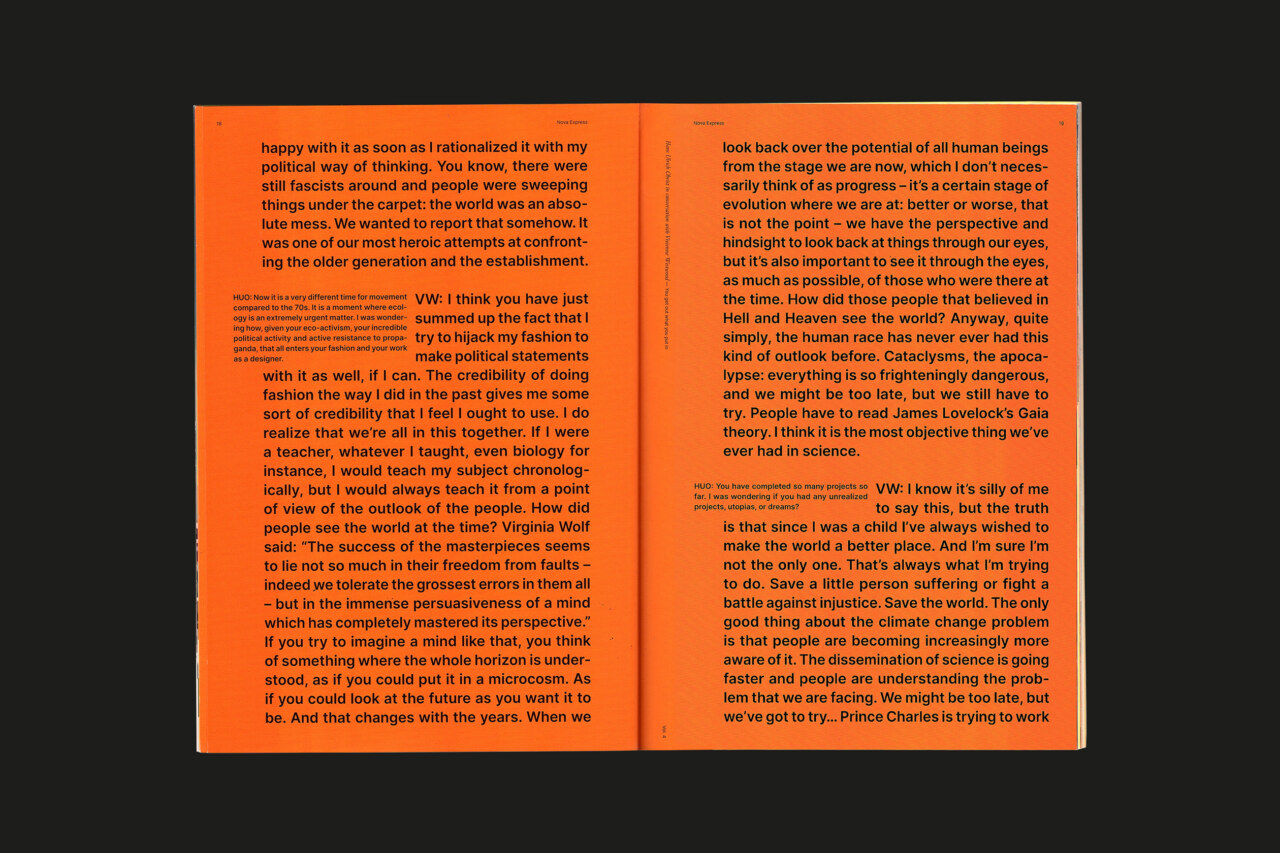
Open case Read caseDeveloping cultural infrastructures across institutions and independent organizations: Centre d’Art Contemporain Genève, Pinacoteca G.A. Levis Chiomonte, Arteco, Nova Express Magazine, Kabul Magazine, Barriera, Karussell, Treti Galaxie, Palazzo Irreale, Painters Painting Paintings.
2.2 On Fashion Brands
Open case Read caseDeveloping cultural and creative systems within fashion brands: Missoni, Aspesi, Marsèll, K-Way, Muso.
2.4 On Artists
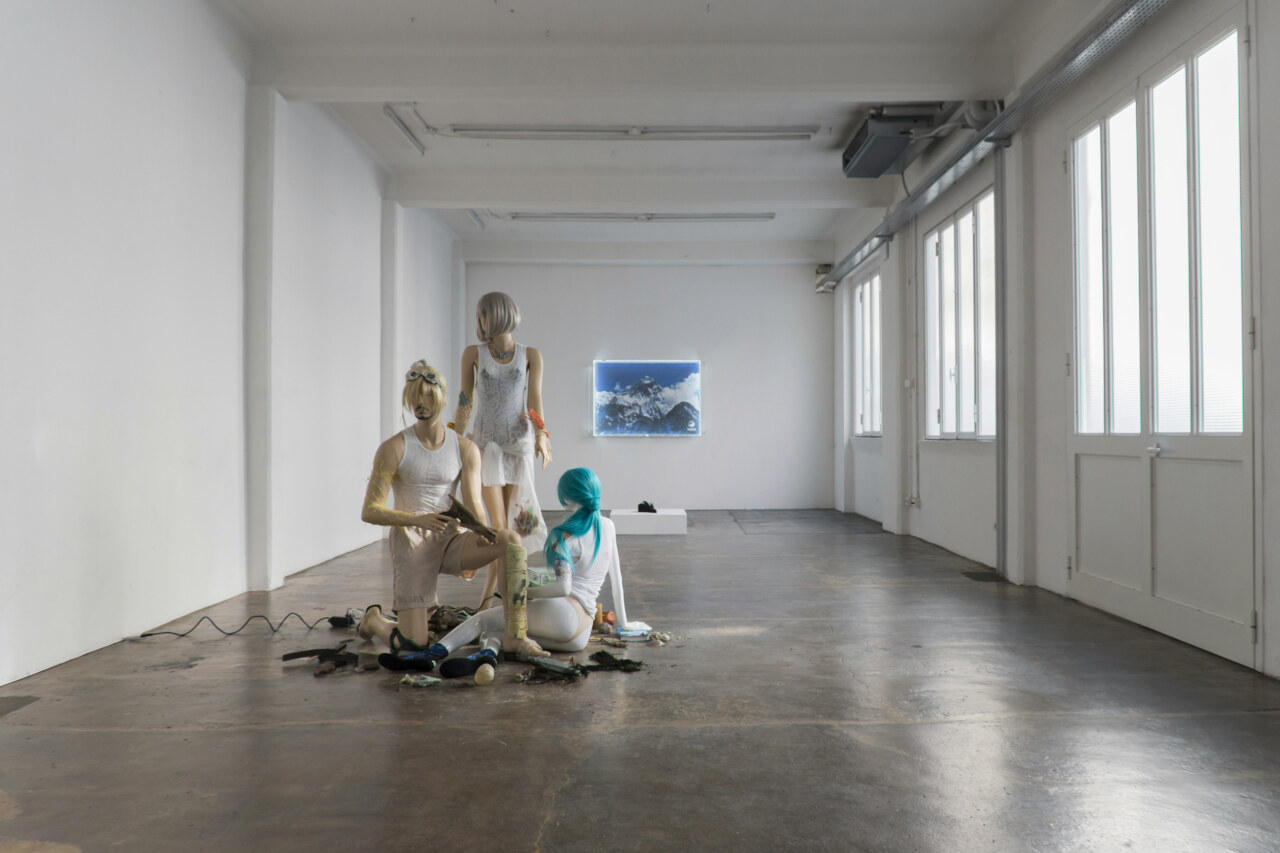
Open case Read caseDeveloping identities, platforms, and contexts around artistic practices: Paola Pivi, Julia Krahn, Sara Enrico, Riccardo Baruzzi, Tiziano Martini, Viola Leddi, Emilio Fantin, Grace Prince, Ramona Ponzini, Andrea Magnani, Variante Artistica, Altalena, Resign.