 Close
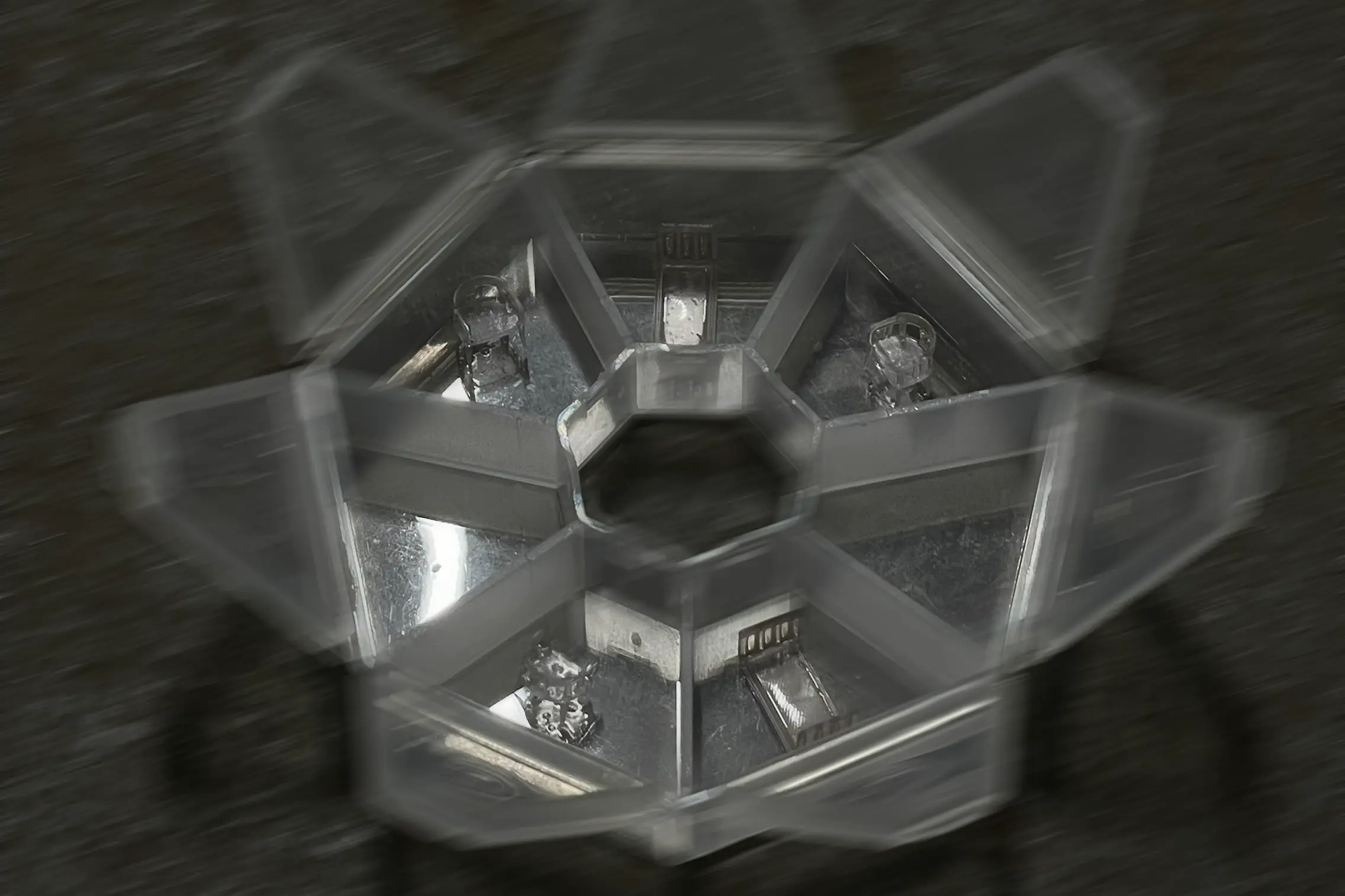
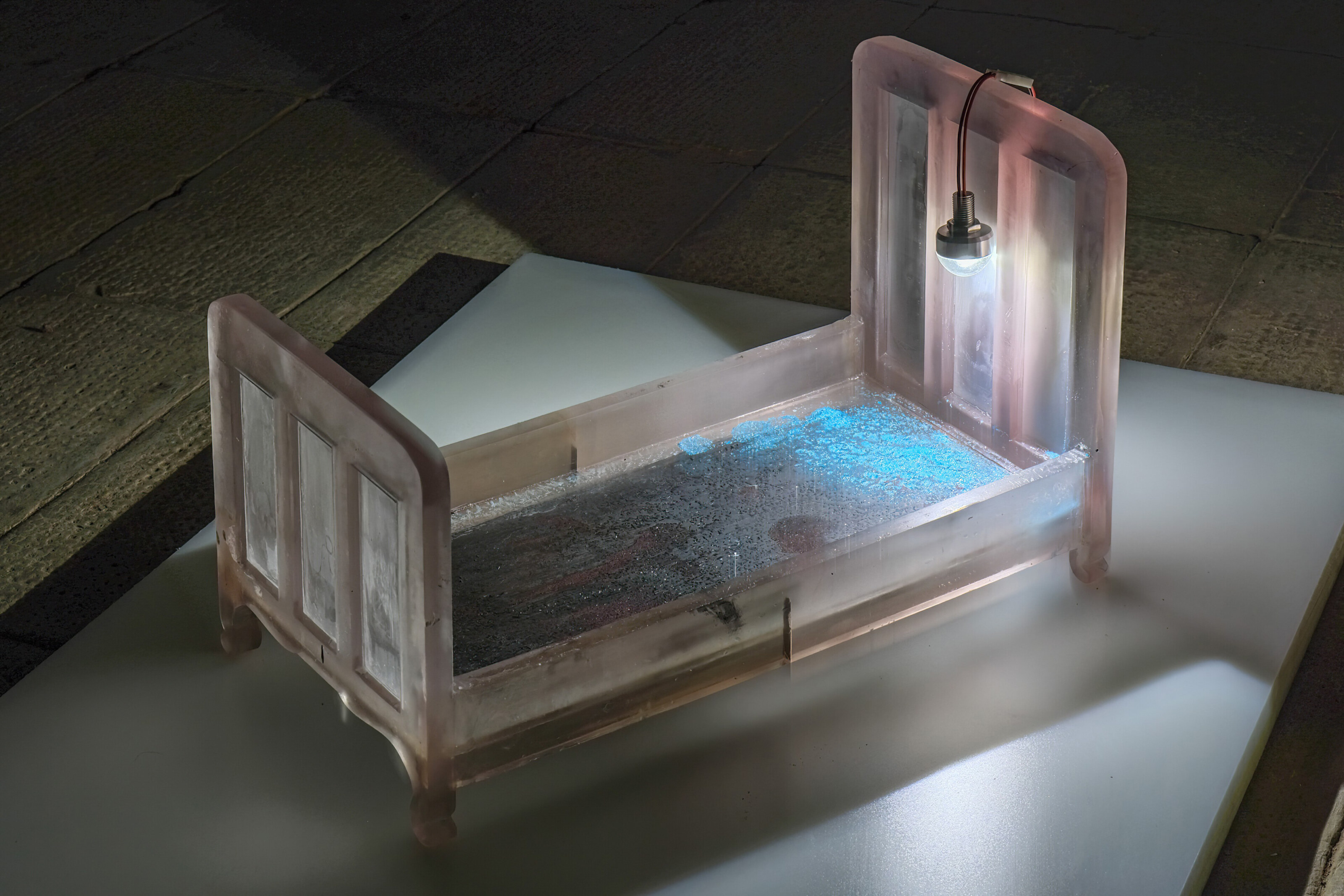
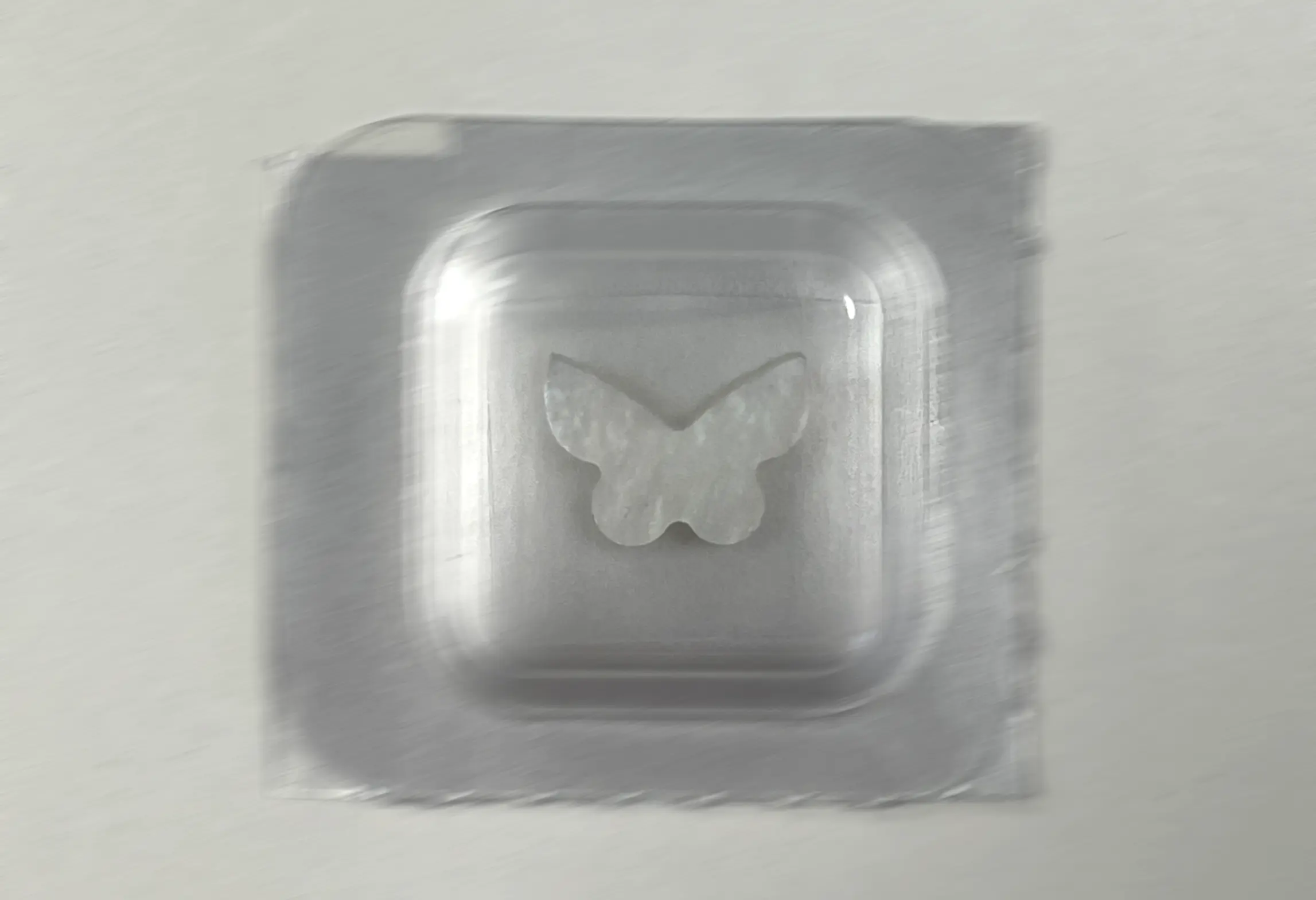
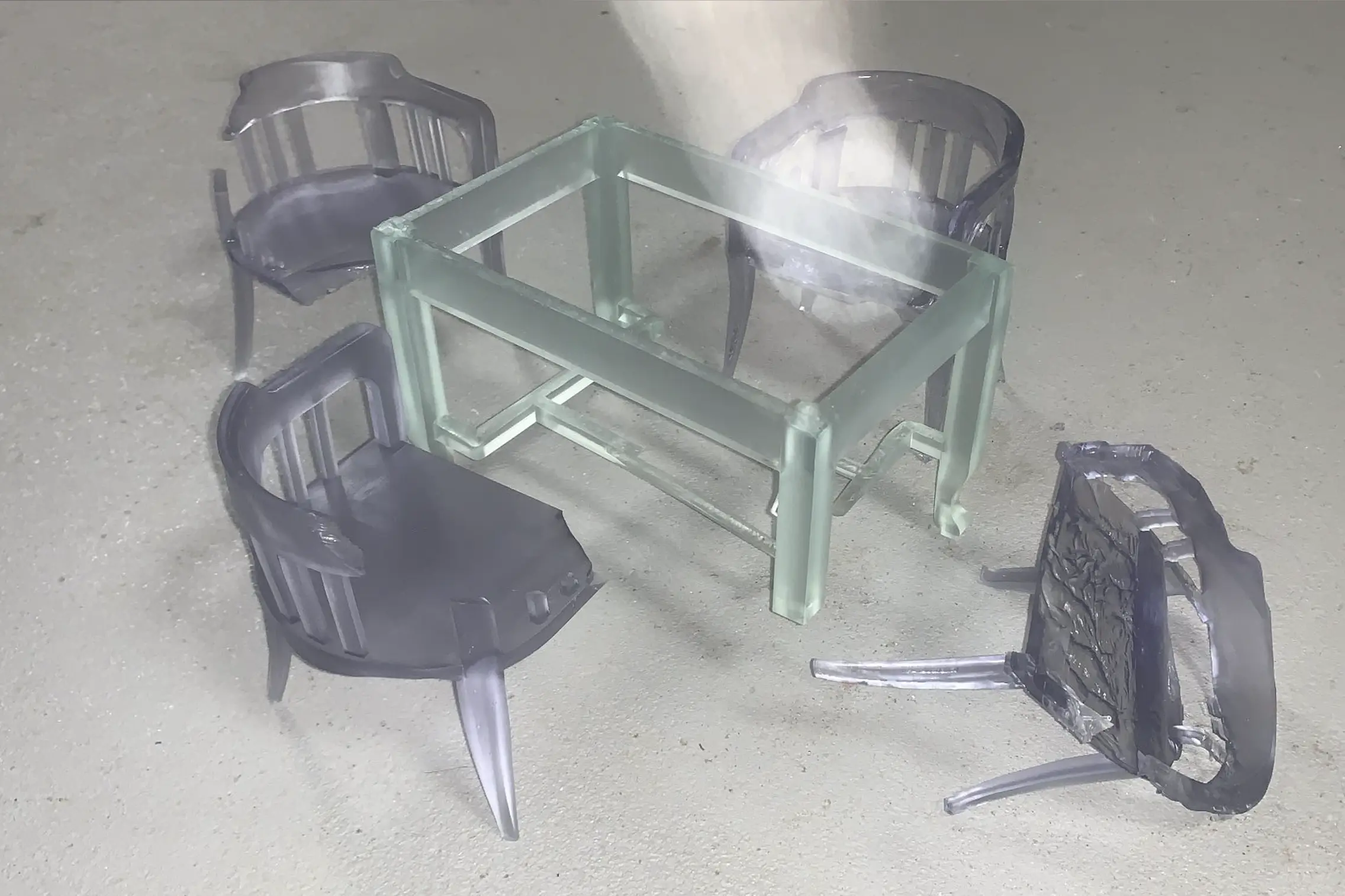
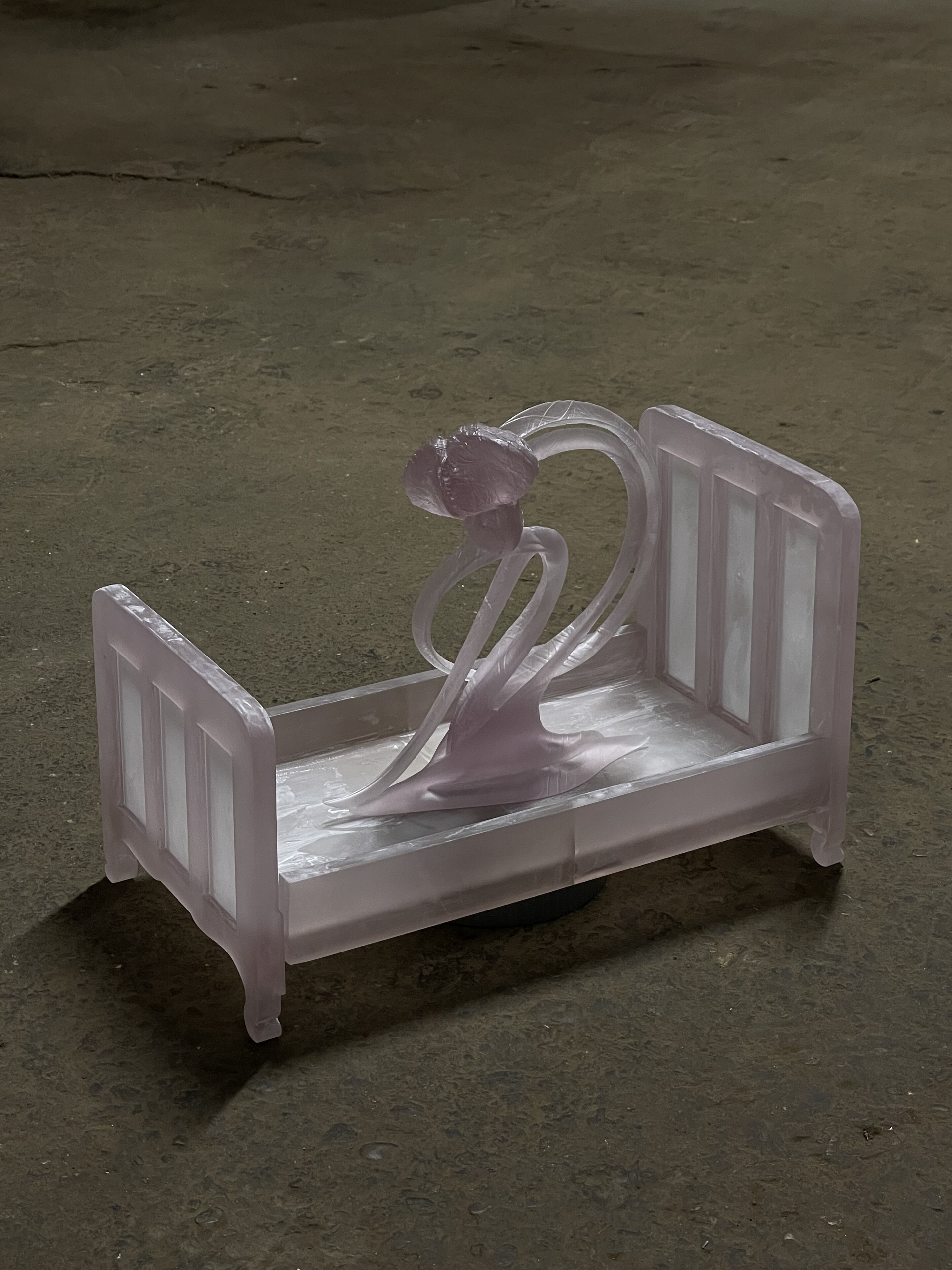
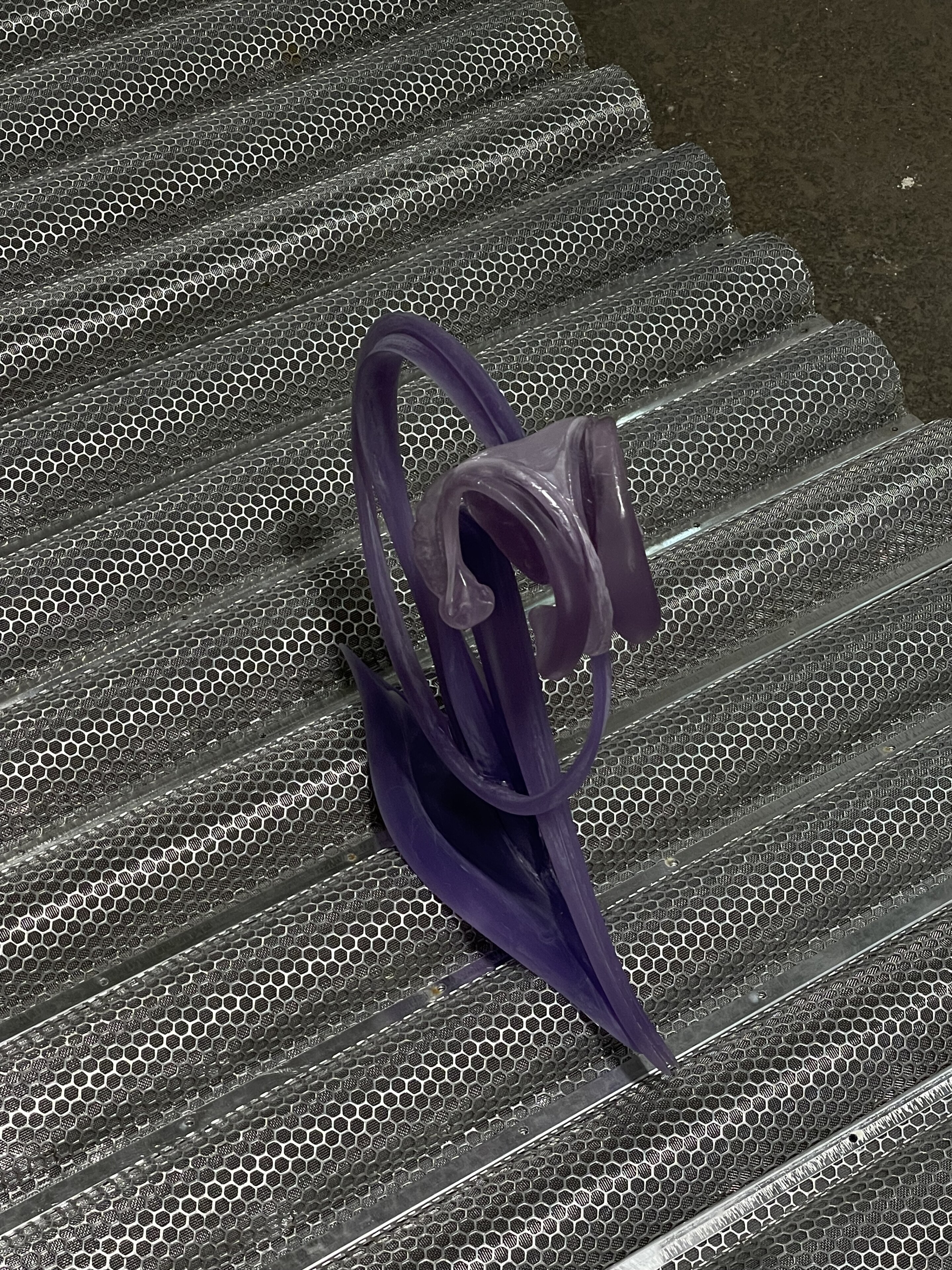
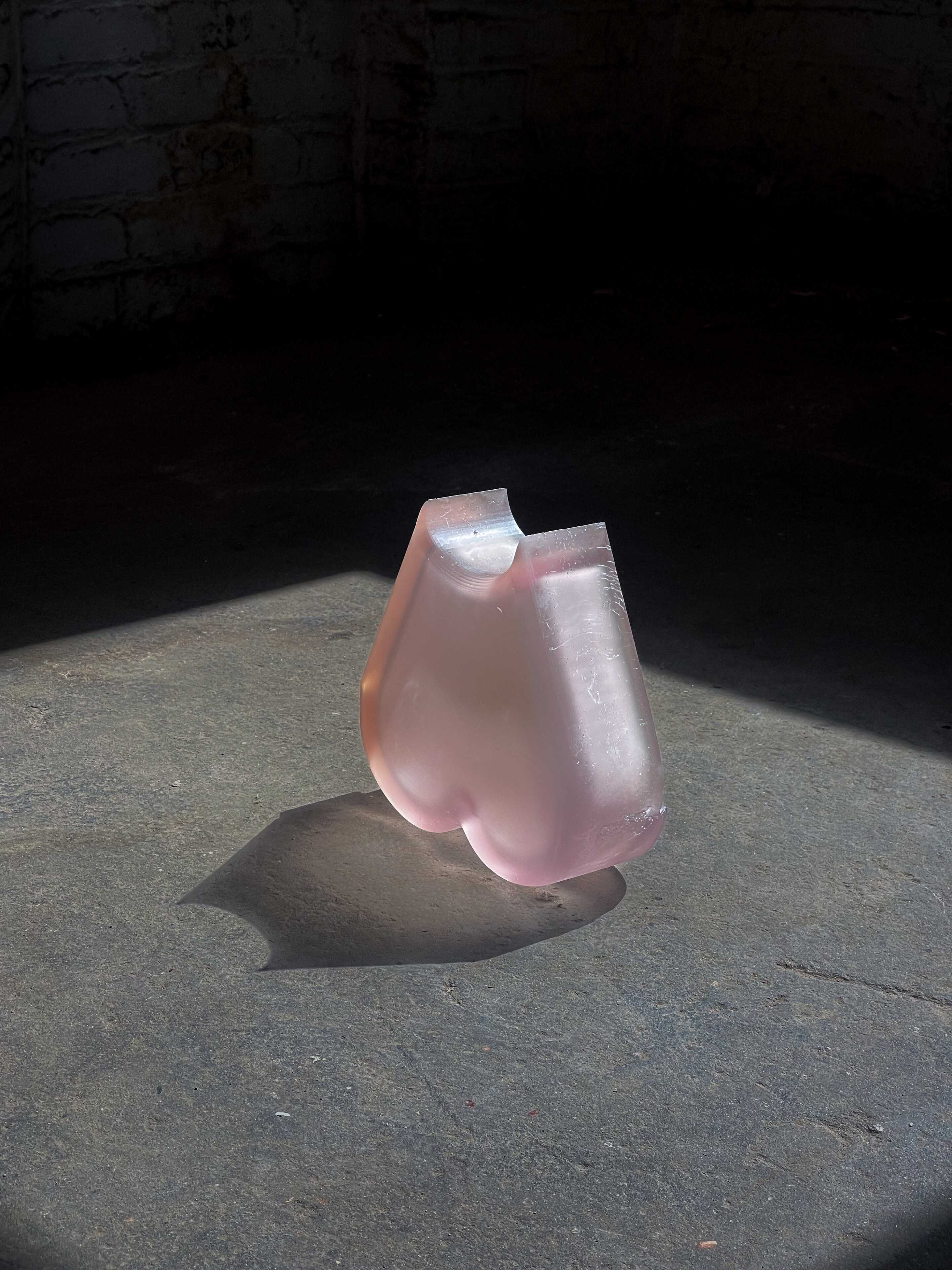
Szilvia Bolla: The psycho-nepo-babyA mute protest
My body lured me into the visceral belief that the otherworld is the time and place to be, so I followed. Not that it gave me a choice. My existence became one with trying to die and failing by continuing to live. My existence became one with this failure that was me from the very first moment. I am all things porous and dry; I absorb anything and release nothing. I learned to live in my head, and I am so good at it. I tick all the boxes. I always know what to say, and when to say it; I even know best when to stay silent. I am a reproduced good girl. If I had access to my emotions, I would feel grateful for the little security I do have amidst potential exploitation. Minimum-wage manual labour is a spell I cast effortlessly.
I fit into any non-role disguised as a role,
numbing me to the futurelessness inherent
in its privatised design.
My name is forgettable, and I know my place: in the basement, from 8:00 to 17:00, temporary, flexible. I adapt flawlessly. I don’t disrupt capitalist patriarchy. I behave so well that when my body whispers to me, telling me to die, I try to obey without questioning, for I know I am only momentary because I was always meant to be replaceable – unemployable – indebted.
I have become the perfect patient—a “mute protest”. Whatever it is that we, within the framework of the medical-industrial complex, call mental illness today, was in the low serotonergic breastmilk that nurtured me. I am a symptom. My cells are a recurring event of others before me. I was born and raised and will die as part of the system that I can’t escape: a psycho-nepo-baby.
The psycho-nepo-baby is a chronically ashamed, biochemically optimised privileged girl. She has some access to information, dignity and support within a health care system shaped by patriarchy, bureaucratic hell and depredated by political capitalism. She is the daughter of depressed daughters. The almost-dead girl. She swallows and gags obediently and fantasises gastrointestinal distress. She can debrief your blood tests and recognise the patterns in your psychosomatic symptoms and medication side effects. She gets flashbacks of unconscious bodies—when she reaches for the light in a dark room or stands above the railway tracks waiting for a train. She knows hospital shortcuts and contact numbers. She makes art about depression. She talks about photography and sculpture with her psychiatrist. She attends private tours of the latest MRI technology in New York through her neuro-oncologist art collectors. She writes essays like this. She considers materialist feminism and post-Prozac memoirs the core of her intellectual genealogy. “Most girls don’t want to become like their mothers”, but she does, if only to refuse her own meaninglessness. She seeks to reclaim agency – not her own, which she has always repressed, but her mother’s, her grandmothers’ and her great-grandmothers’, her dead and almost-dead girl friends’. What materialist feminism terms organic empathy is her debt: a refusal to live in her head, in her isolated, self-contained, autocratic brain, for there is no such thing as a brain that exists without other organs and extra-bodily agents. Neurotransmitters and hormones implicated in emotion circulate throughout her body, concentrating in her gut. Reading about the brain-gut axis shifts her attention toward the peripheral nervous system that weaves her organs together, dismantling all the reductionist and pathologizing interpretations imposed on her neurotic ideation. Without following this decentralised network logic, she wouldn’t feel that her refusal is her “organic capacity to connect”; it is her body, herself, her body is herself. Without swallowing the same substance her mother and the mother of her mother swallowed, she wouldn’t know that it travels through all her cells, her integrated being, becoming a site of the political.
Excerpt from “She Was a Girl for a Hundred Years”, Szilvia Bolla, in progress.
Related Cases
2.4 On Artists
Open case Read caseDeveloping identities, platforms, and contexts around artistic practices: Paola Pivi, Julia Krahn, Sara Enrico, Riccardo Baruzzi, Tiziano Martini, Viola Leddi, Emilio Fantin, Grace Prince, Ramona Ponzini, Andrea Magnani, Variante Artistica, Altalena, Resign.
2.3 On Cultural Organizations
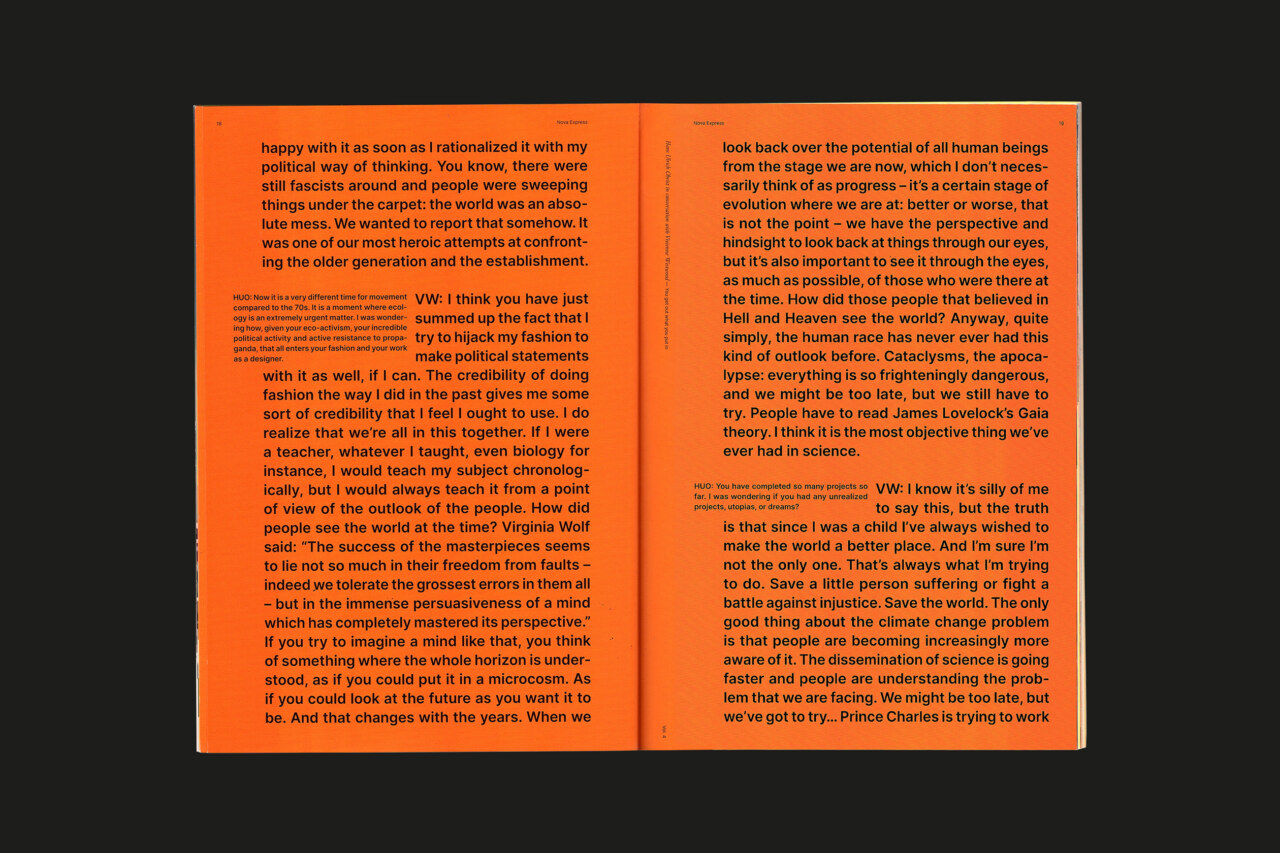
Open case Read caseDeveloping cultural infrastructures across institutions and independent organizations: Centre d’Art Contemporain Genève, Pinacoteca G.A. Levis Chiomonte, Arteco, Nova Express Magazine, Kabul Magazine, Barriera, Karussell, Treti Galaxie, Palazzo Irreale, Painters Painting Paintings.
2.1 On Art Galleries
Open case Read caseA narrative across producing communication for art galleries, featuring: Secci, Clima, Galleria Massimo Minini, Francesca Minini, Renata Fabbri, Notte, The Ryder Projects.